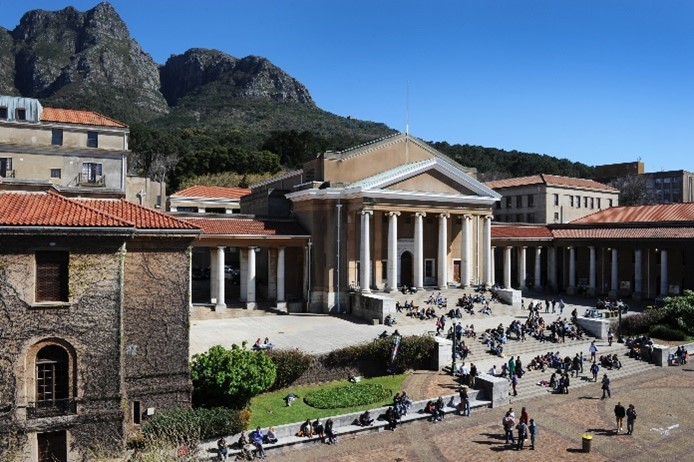
This is not a review, but if it was, I’d say “10/10”. The University of Cape Town (UCT) has officially added isiXhosa to its list of official languages, placing it alongside English and Afrikaans in university communications. This decision is a bold move toward linguistic inclusivity, embracing South Africa’s diversity while acknowledging the importance of indigenous languages in higher education.
For many, this is more than just a policy shift, it’s an overdue recognition of isiXhosa as a language of knowledge, academia, and cultural identity. It reflects UCT’s commitment to transformation, ensuring that South African languages have a place in formal education spaces. From here on out, official announcements to student services and signage, the presence of isiXhosa could make the university more accessible to first-language speakers while fostering a deeper sense of belonging.
Granted, the decision comes at a time when language and identity remain deeply political in South Africa, I would hope that none will feel as if this move aims to sideline any other language in academia, such as Afrikaans, which is a language with a long academic history at UCT. I am confident that, if implemented with care, this policy can be a blueprint for true multilingualism in South Africa, one that does not erase but embraces.
The success of this initiative will depend on how effectively UCT integrates isiXhosa beyond symbolism and into daily academic life. If done right, it could inspire other institutions to recognize and elevate indigenous languages, creating a future where South African languages thrive in higher education alongside their global counterparts.
While South Africa’s linguistic landscape is complex, it is also rich with opportunity. If UCT’s approach is inclusive, supportive, and well-resourced, this could be the beginning of a new era for inclusivity, one where language is not a barrier but a bridge to knowledge, understanding, and unity.
I look forward to seeing how this will roll out in the future, and I hope it creates roots of uniting this country.