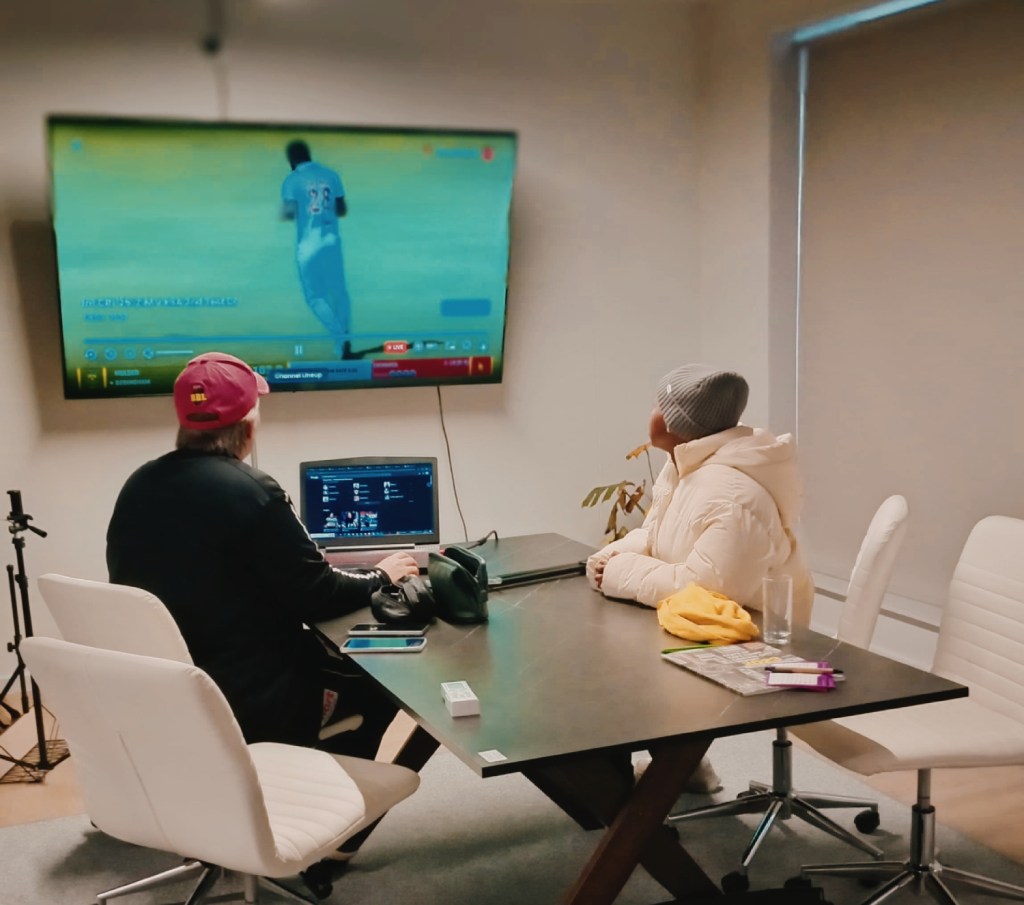
As a firm believer in the importance of integrating youth into various industries, I was reminded of the “Take a Girl Child to Work” initiative this past weekend when one of our young cricket players made her second visit to Roundly Podcast Studio. She was present for the filming of the third episode of #LeadingEdgeWithScent, a cricket-focused podcast available on YouTube and Spotify.
At just 16 years old, she is already growing into a young professional. She holds two CSA National Week appearances as part of the Boland Cricket U16 girls’ team, currently plays for the Maties Women’s Team, and was named Player of the Match in the 2024 Boland T20 Tournament while representing the Guardians, a team known for its winning culture and two-time Women’s Trophy champions.
This teen seemingly has a growing interest in cricket, on and off the field, which is now the spark of this blog.
Perhaps a full circle moment with echoes of an old campaign from the early 2000s: Take a Girl Child to Work Day.
Then: A Bold Beginning
In May 2003, Cell C, which was a relatively new mobile network provider in South Africa, launched what would become one of the most culturally significant youth initiatives in post-apartheid South Africa. The “Take a Girl Child to Work Day” campaign was simple yet powerful: highlighting call to action which proposed opening doors of the workplace to girls, many of whom had never seen the inside of a boardroom, newsroom, courtroom or lab.
It quickly caught momentum. Schools, government departments, private corporations, and media houses took part. The Department of Education fully endorsed it, and at its peak, over 50,000 girls participated annually. The goal was clear, reimagine a future where girls didn’t just dream but stepped into those dreams, one workplace visit at a time.
Now: From One Day to All Year
But as society evolves, so too did the campaign. Over time, organizers recognized that one day a year wasn’t enough, not when youth unemployment, gender-based violence, and deep social inequalities continued to affect the very girls the campaign aimed to empower.
So in 2019, Cell C quietly restructured the program, rebranding it under the SEE YOUTH platform and extending it to include boys and girls. The campaign’s new name “Take a Child to Work Day” reflected a broader inclusivity, while the programming expanded to offer real-world life skills, emotional wellness support, and career development across the entire school year.
In 2023, the program hosted entrepreneurship workshops at Freedom Park and sessions on gender-based violence and substance abuse at Western Cape schools. It wasn’t just about career shadowing anymore, it was about mental health, mentorship, coding, robotics, and real resilience.
Last year, in May 2024, the initiative was formally relaunched with a powerful collaboration where the Office of the Chief Justice hosted 350 Grade 11 learners at an event focused on justice, leadership, and civic duty. While it’s clear that this isn’t just a campaign anymore, it’s a movement, one can’t help but think of its origins while celebrating its evolution into inclusivity.
Full Circle Moments:
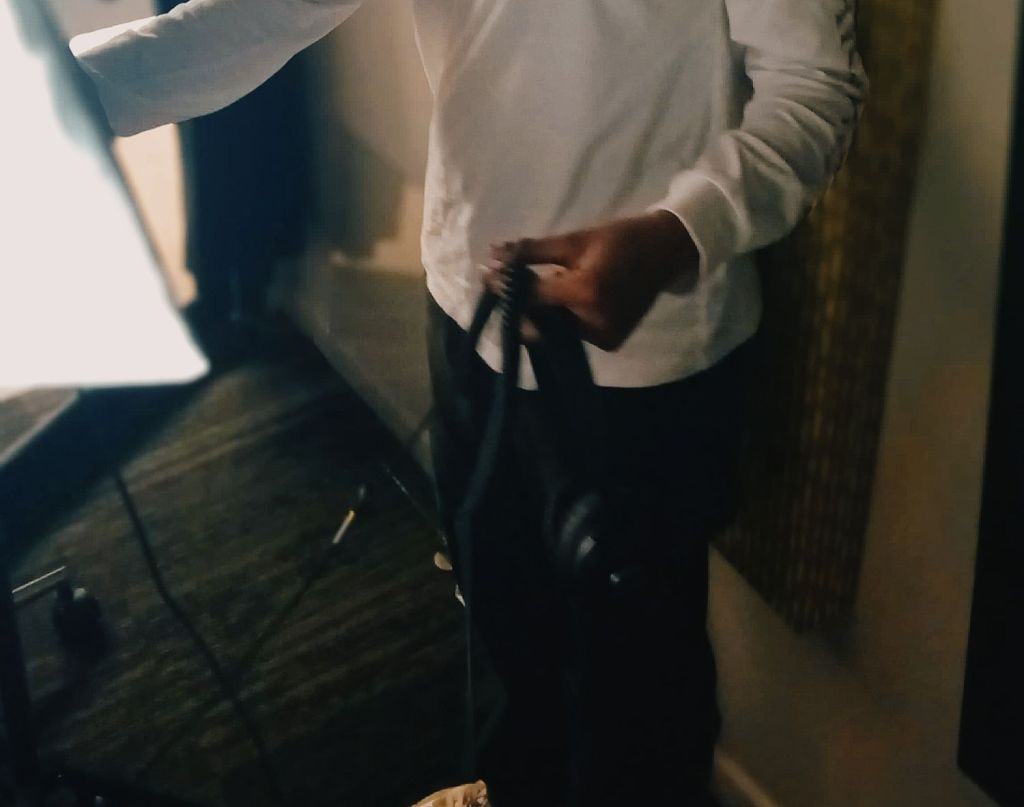
What started as a once-a-year gesture has transformed into a multi-dimensional, year-round platform that supports learners academically, socially, and emotionally. And yet, I believe, in a quiet podcast studio in the city, the spirit of the original campaign lived a little.
There’s something timeless about letting a young girl (or boy) witness a positive world they dont or can’t imagine they could be part of. Whether it’s in a courtroom or a sound booth, careers become less abstract when you can feel the mic in your hand, see the mechanism of visual and audio production at whichever scale, and be in a space where your curiosity/questions are taken seriously.
This is a reminder that positive, productive, and reaffirmed exposure to industries is still everything. And sometimes, all it takes is one visit, one moment, one encounter to plant the seed of aspiration and ambition.
One visit. One conversation. One “you could do this too.” That’s all it takes sometimes.
If you’ve ever considered opening your workplace up to a learner or even just sharing your journey, now’s the time. The campaign may have changed names, but the mission endures: to inspire the next generation by letting them see what’s possible.
NB : If you’d like to learn more about the SEE YOUTH program or how to get involved, subscribe to this blog, and we’ll share more resources about the initiative and its 2003 version, I accidentally did enough research to compile it into a downloadable document/report.


