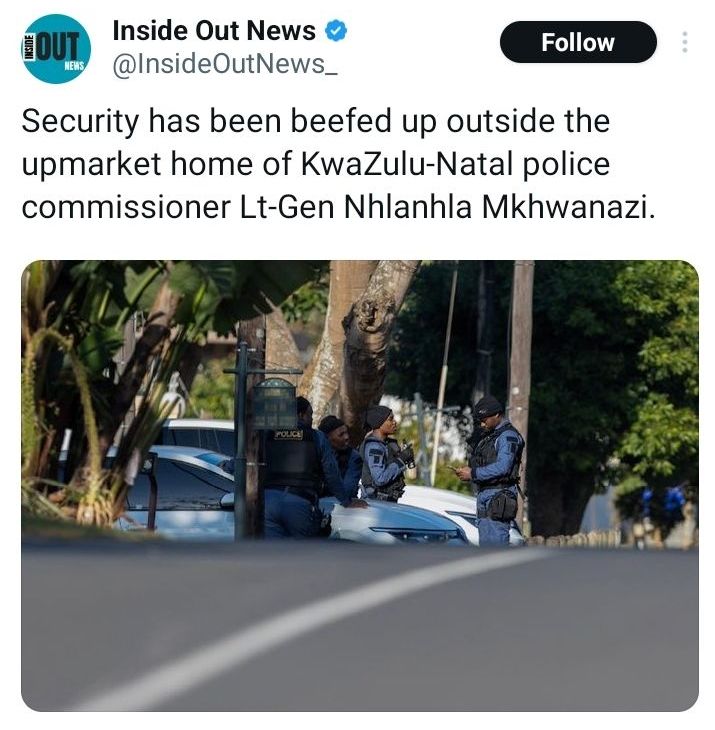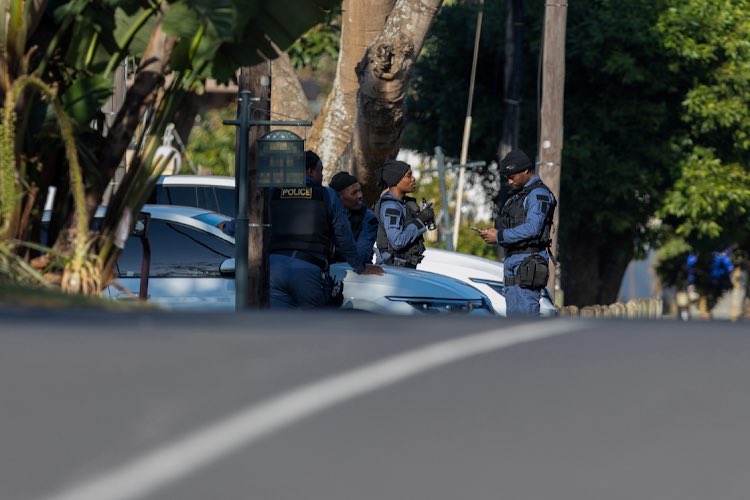
When I saw the headline “Security has been beefed up outside the upmarket home of KwaZulu-Natal police commissioner Lt-Gen Nhlanhla Mkhwanazi” my first reaction wasn’t shock. It was familiarity. Not because we should ever get used to state officials needing protection for doing their jobs, but because I recognised the subtle pivot South Africans often make when someone challenges power: we stop listening to what they’re saying, and start counting what’s in their driveway.
Why was it important to note that it was an “upmarket” home? Why not just say “outside the home of the police commissioner”? That choice of words was no accident, it was bait. Because we live in a country where, all too often, credibility and concern are eroded not by a lack of action, but by the presence of affluence.
Lt-Gen Mkhwanazi has done what few in his position have dared: speak boldly, publicly, and without allegiance to the political protection racket that has shielded many corrupt figures for far too long. His Sunday press briefing laid bare just how deep political rot runs. He named what others only whisper. But instead of unified support, we saw many South Africans deflect: “He lives in an upmarket area? Must be nice. How much does he earn anyway?”
It’s a familiar pattern. We did it to Thuli Madonsela. We did it to civil servants who resign on principle. And we’re doing it again now. The moment someone becomes effective, especially if they appear successful, the country’s instinct is suspicion, not solidarity.
And that’s precisely what the powerful bank on. If we turn watchdogs into targets because they have a nice front gate, the real looters win. The ones who don’t speak, don’t serve, and don’t show up, unless it’s to siphon off another million.
Let’s not forget: by the time Lt-Gen Mkhwanazi sat at that podium, he had exhausted the “proper channels.” He had reported his findings up the chain of command. He followed protocol. And when the system showed signs of inaction, he did what real leaders do, he told the public the truth.
Support the work, not just the words.
We must stop punishing bravery with public scrutiny and misplaced envy. Support those who are actively working to fix what’s broken, even when it makes you uncomfortable. Especially then.
Because if we keep turning against the people willing to stand up, we’ll be left with those who never will.