
Denmark is on the verge of becoming the first country in Europe to legally recognize a citizen’s face, voice, and likeness as protected intellectual property. In a landmark move, the Danish government has introduced a legislative proposal aimed at giving individuals full legal control over their digital selves, an unprecedented step in the age of artificial intelligence.
The proposed law would make it illegal to create, share, or profit from AI-generated imitations of people, such as deepfake videos or cloned voices, without their explicit consent. Citizens would be able to demand the removal of unauthorized digital content and seek compensation if their likeness is exploited.
The law also:
- Protects artists and performers against unauthorized digital copies of their work.
- Holds online platforms accountable, with heavy fines for failing to comply.
- Balances innovation and freedom of expression by allowing parody and satire to remain exempt.
This proposal comes at a time when deepfake technology has advanced to the point of near-perfect realism, raising concerns about misinformation, fraud, and exploitation. By recognizing personal identity as a form of intellectual property, Denmark is setting a powerful precedent for how societies might defend individuals in the digital era. The proposal is currently moving through Denmark’s legal system, with consultations expected this year and parliamentary debates scheduled for autumn. If approved, the law could come into effect as early as late 2025 or 2026.
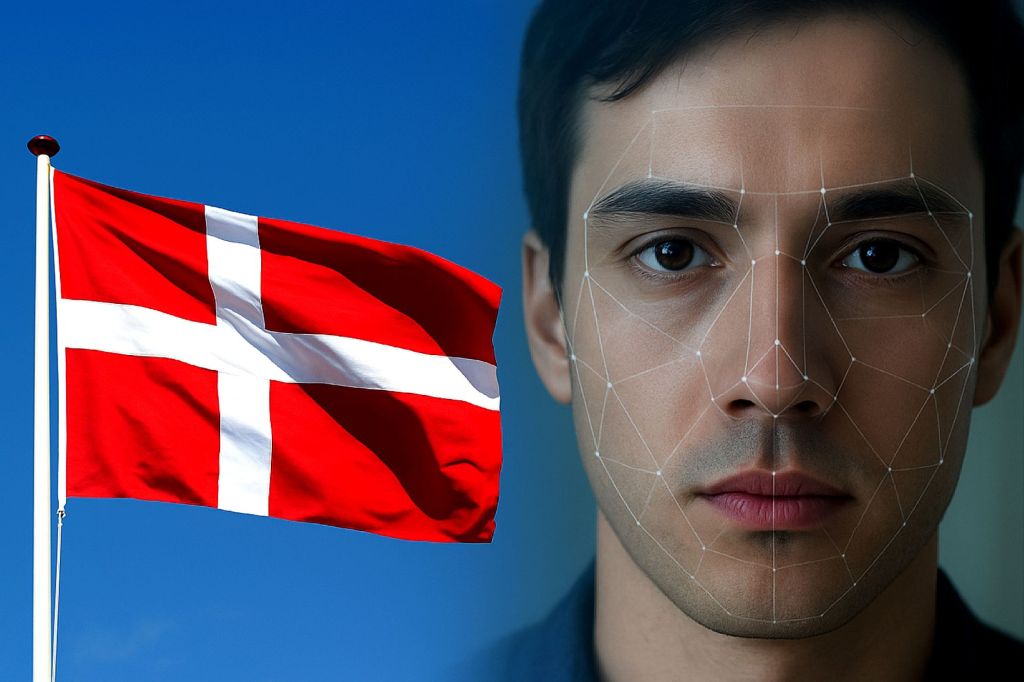
No other European nation has yet taken this step, making Denmark a pioneer in digital rights. Legal experts suggest that this approach could inspire broader EU-wide frameworks in the future, reshaping how the world addresses digital identity, AI, and copyright.
As artificial intelligence continues to evolve, Denmark’s bold move signals a new era of personal digital rights, one where your face, voice, and likeness are truly yours to own and protect.


