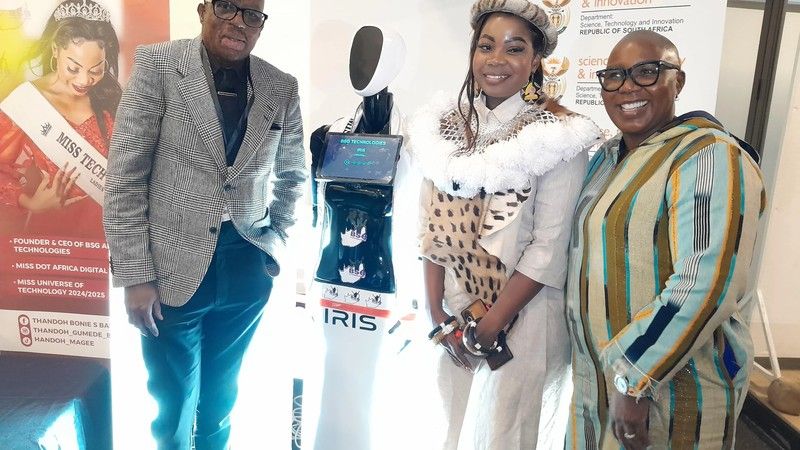
When BSG Technologies launched IRIS as “South Africa’s first AI teacher”, the coverage was glowing as many reputable publishing platforms in South Africa shared the news of the AI teacher and images of a sleek humanoid standing next to BSG’s founder made the rounds, alongside stirring language like:
“Homegrown Innovation: IRIS represents a landmark achievement in South Africa’s pursuit of technological sovereignty and a symbol of what the nation can achieve through investments in local talent, particularly in STEM.”
It’s an inspiring sentiment, but is it the whole story?
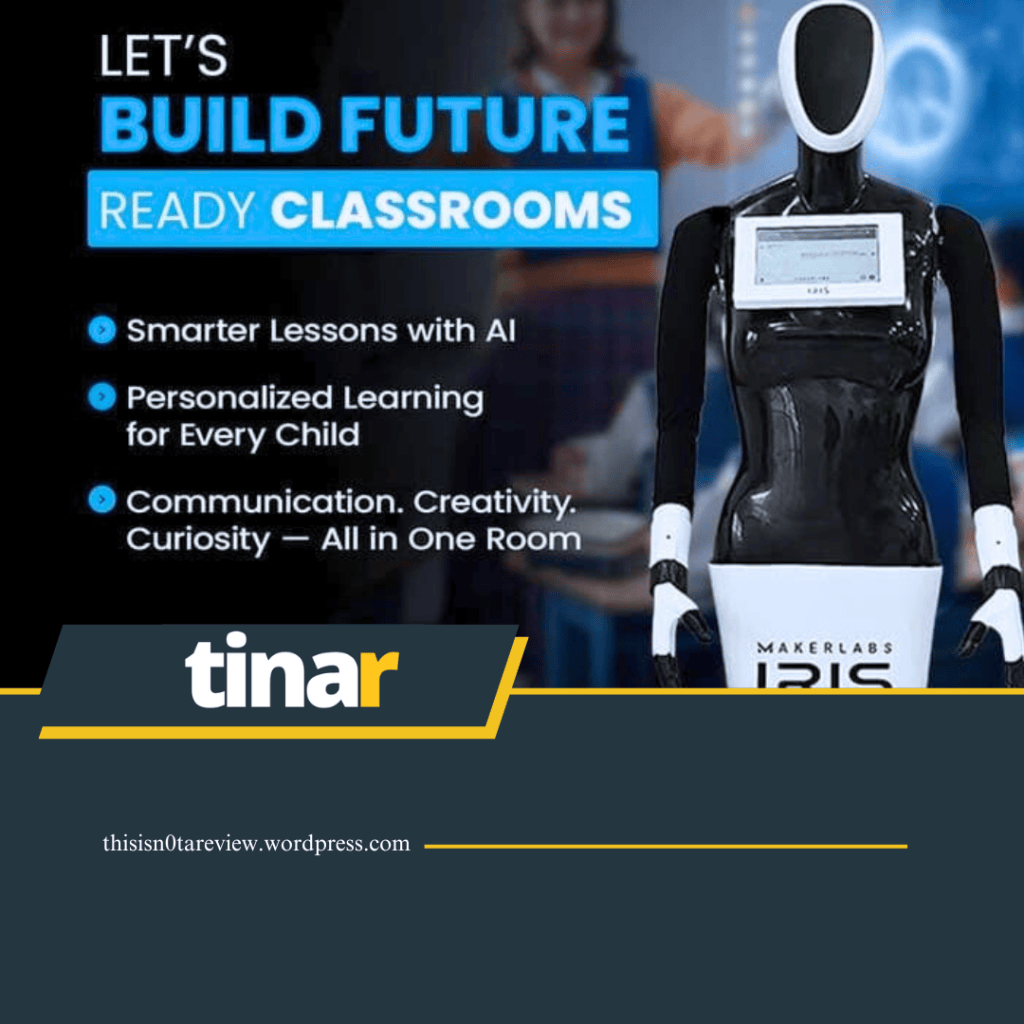
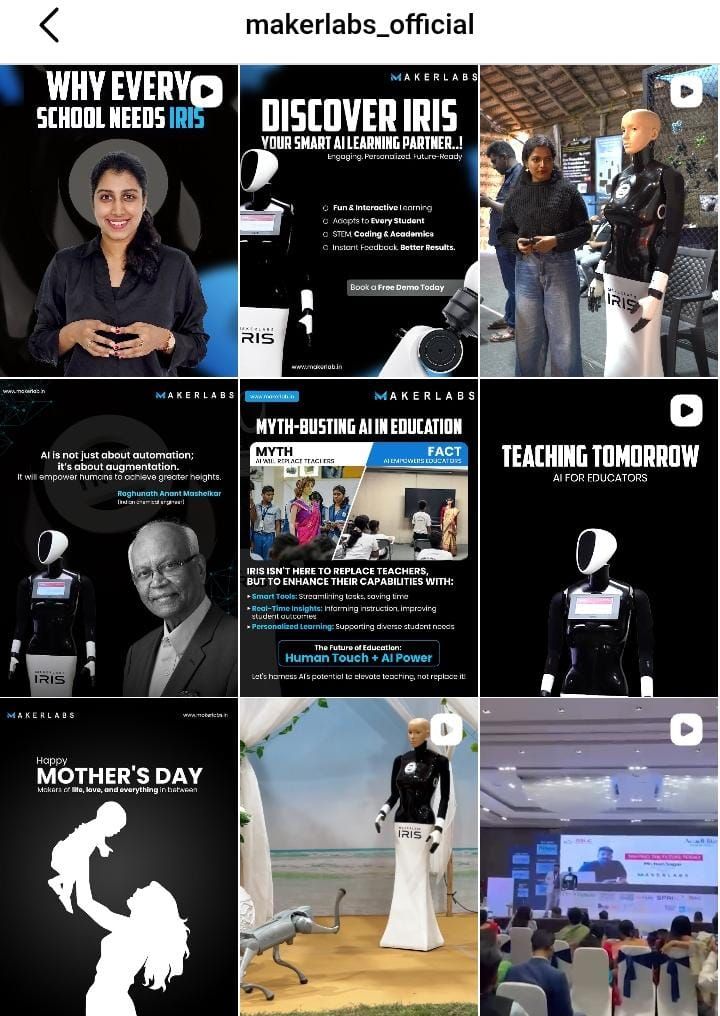
As I read further on the innovation and having noticed the local robot had a “MakersLabs” logo on it, I found that there is a company in India which produces another IRIS: a robot marketed by the Indian based Makerlabs, with the same name, and a nearly identical design, and its own history as an “AI teacher assistant.” Makerlabs even lists IRIS on their website and via IndiaMART as a product schools can demo or buy.
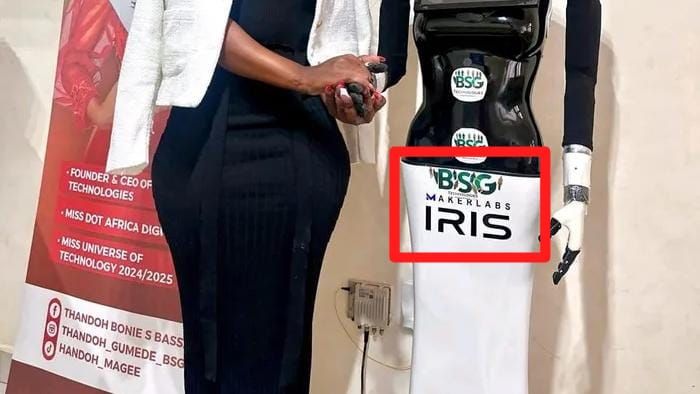
Look closely at the South African robot, and you’ll see both Makerlabs and BSG Technologies logos on its frame. That could suggest IRIS isn’t an invention created entirely in South Africa, but rather a partnership or localisation effort, where perhaps Makerlabs provides the core platform, while BSG adapts it for local classrooms, languages, and curriculum.
And honestly, that’s still exciting and worth the spotlight. Bringing a global tool into the South African education system, translating it into 11 languages, and aligning it with CAPS is valuable work. But there’s a difference between building from scratch and localising for impact. The language we use, such as “developed,” “homegrown,” “landmark achievement”, shapes how people understand innovation and where credit belongs.
Maybe the real opportunity here is a conversation about how we tell these stories. Collaboration across borders doesn’t make the South African contribution less meaningful, but transparency about origins and partnerships honours everyone involved and helps the next generation see where they, too, can plug in.
We reached out to Miss. Thandoh Gumede from BSG Technologies on the 21st of August 2025 requesting clarity regarding the foundations of the humanoid. We posed the following questions:
- Is this a formal technology transfer/license agreement between Makerlabs (India) and BSG (South Africa), or is this more of a rebranding/distribution arrangement?
- Is the South African IRIS robot based on the Indian design, but localized, adapted, and marketed under BSG’s leadership in South Africa. Or is this originally a South African innovation.
There was little to no sufficient feedback regarding the clarity of the above questions by the time of publishing this piece.