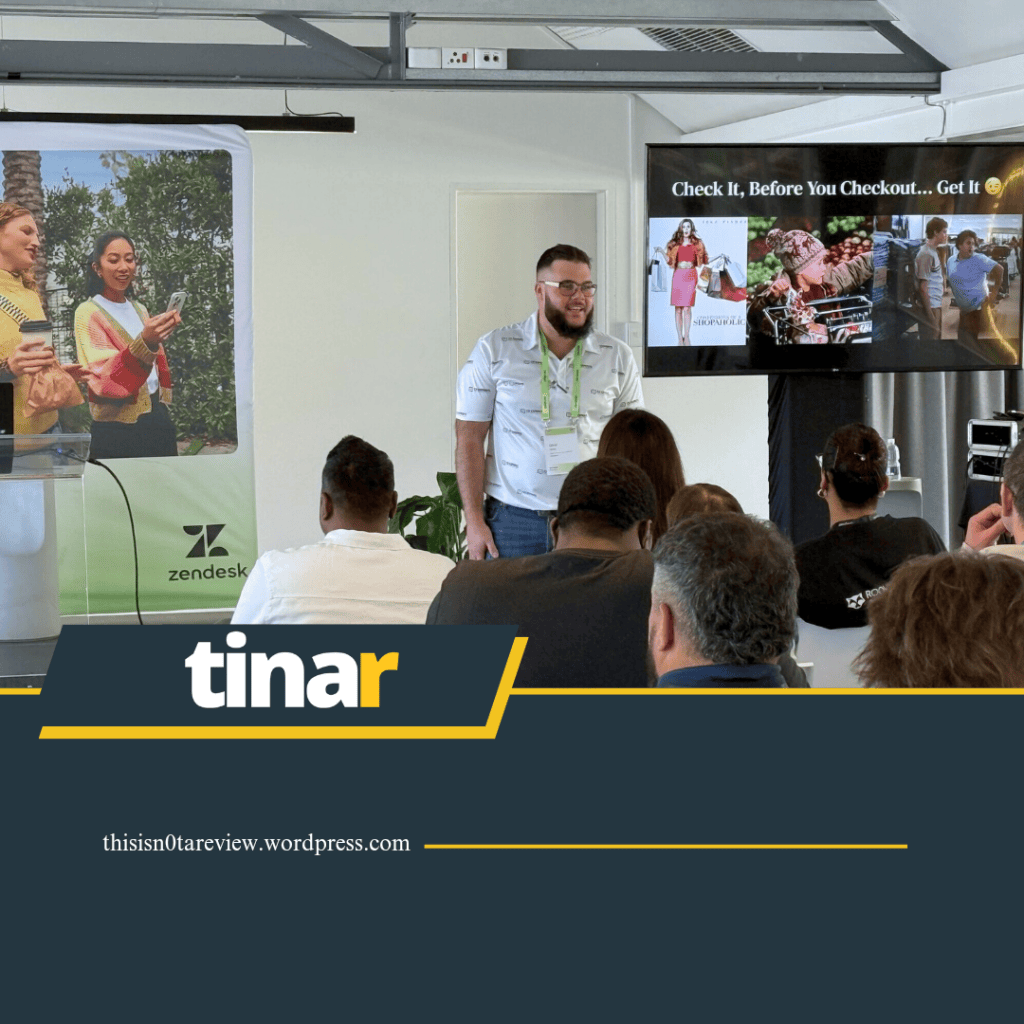
Customer expectations keep climbing, and they want quick answers on the platforms they already use. In South Africa, that platform is WhatsApp, now a lifeline for customer experience (CX). A recent case study on Leroy Merlin South Africa shows just how transformative it can be when paired with the right technology and expertise.
Before the first COVID lockdown, Leroy Merlin’s customer-service model depended heavily on in-store calls and legacy systems. When offices closed, they missed nearly 90% of requests. By adopting an omnichannel approach built on Zendesk and integrating WhatsApp as a primary touchpoint, the retailer turned things around. Within months, customer-satisfaction scores rose from a negative Net Promoter Score to 79% +, and agents were handling more than 20,000 support tickets every month.
What made the difference wasn’t just adding a chat app. Success came from embedding WhatsApp into core systems, balancing automation with human empathy, and using local expertise to make global tools work in a South African context. CX Experts and The Messenger Network, Zendesk’s partners in the region, helped Leroy Merlin centralise conversations, automate routine queries, and give agents the freedom to focus on issues that truly build loyalty.
With 94% of South Africans using WhatsApp daily, companies that ignore this channel risk falling behind. Intelligent workflows, data capture, and thoughtful integration turn WhatsApp from a simple messaging app into a strategic growth engine. As industry leaders put it, the future of customer service isn’t about bigger call centres, but smarter, mobile-first CX built on platforms people already trust.
You can read more about this HERE


