
This is not a review, but perhaps a counter argument on a marketing piece I read. In his recent piece, “Five Reasons South Africa’s Commuters Are the Next Big Growth Market” Wesley Dorning makes a strong case for why brands should pay closer attention to the millions of people travelling daily between home, work, and school. His insights are valid, though perhaps shaped by a vantage point that views commuters as an “emerging” segment rather than an enduring one.
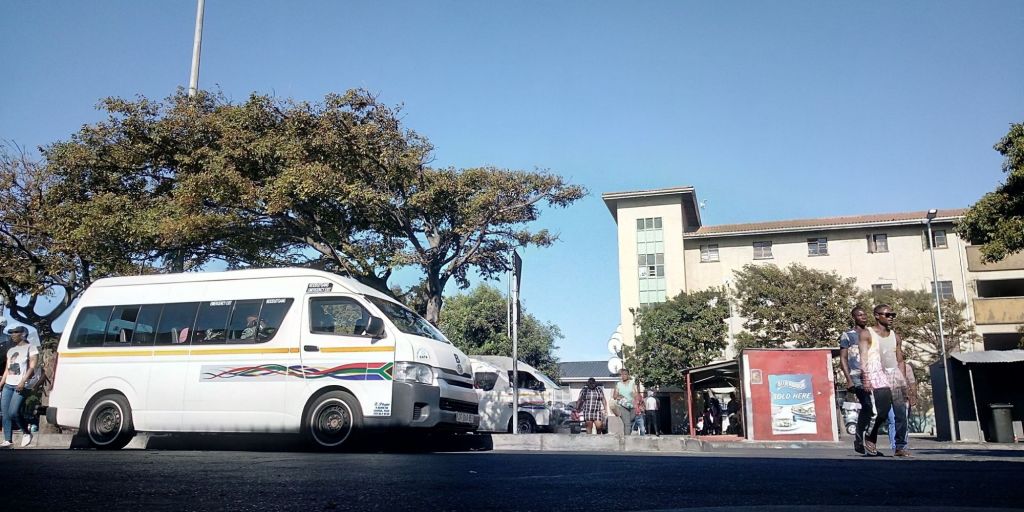
From where I stand, informed by participating in and observing how messaging lands in places like Bree and MTN taxi ranks in Johannesburg, Langa & Gugulethu taxi ranks or the Cape Town City taxi deck, commuters have always been the engine of South Africa’s marketing story. These are not just transient audiences; they are the traffic that has driven campaigns, product launches, and category growth since well before 1994.
Taxi ranks and interchanges have long been advertising hubs. In Johannesburg, agencies have built entire strategies around the vibrancy and reach of spaces like Bree and MTN. In Cape Town, the approach may be subtler, a branded taxi here, a promotion there, but the principle holds: the daily movement of people is where loyalty is forged and purchasing decisions are shaped.
What’s evolving is not the relevance of commuters but the formats and tools we use to speak to them: from radio and billboards to branded Wi-Fi, QR codes, and in-taxi screens. To label them as “the next frontier” risks erasing the rich history of how their buying power and attention have guided creative thinking and cemented entire industries.
Commuters have never been waiting to be discovered. They have always been the heartbeat of South African marketing, a living, moving focus group that has taught agencies and brands how to meet people where they are, literally. The challenge now is not to rediscover them, but to keep innovating the ways we connect with them, respecting their time, context, and cultural power.
Five ways marketers can adapt their language to honour commuters and better represent brands
- 1. Speak to the movement, not just the moment :
Commuters aren’t passive eyeballs; they’re part of a living network in motion. Language should mirror their daily rhythm and should be energetic, forward-looking, and alive with purpose. - 2. Honour the history of the rank and areas of transit :
Spaces like Bree, MTN, and the Cape Town taxi deck are historic hubs of commerce, culture, and storytelling. And while I have a historic gripe with spatial planning (a chat for another day) Campaigns should reference that heritage, situating brands within a lineage of marketing that predates digital screens. - 3. Celebrate collective identity and pride :
Ranks, bus & train terminals are communities. Messaging that uses inclusive tones “we,” “our way,” “together”, shows respect for the solidarity that shapes these spaces. - 4. Use plain language with cultural texture :
Copy should sound like real conversations on a platform or in a queue: clear, rhythmic, culturally aware, and multilingual where appropriate, without slipping into caricature or forced slang. - 5. Position the commuter as a decision-maker, not a captive audience
Today’s commuter is not just watching; they’re choosing, advising, and influencing. Calls-to-action should invite them to lead trends, share recommendations, and leverage their buying power.
In debate of the original post, I feel strongly against the idea that “South African Commuters are the next Big Growth market” because the “commuter market” doesn’t need to be rediscovered. It deserves to be spoken to with the respect earned over decades of shaping how brands show up in South Africa, from radio jingles and branded taxis to in-taxi Wi-Fi and geo-targeted video. The future of advertising isn’t about finding them because lets be very mindful, it’s about refining how we honor their history, power, and movement.


