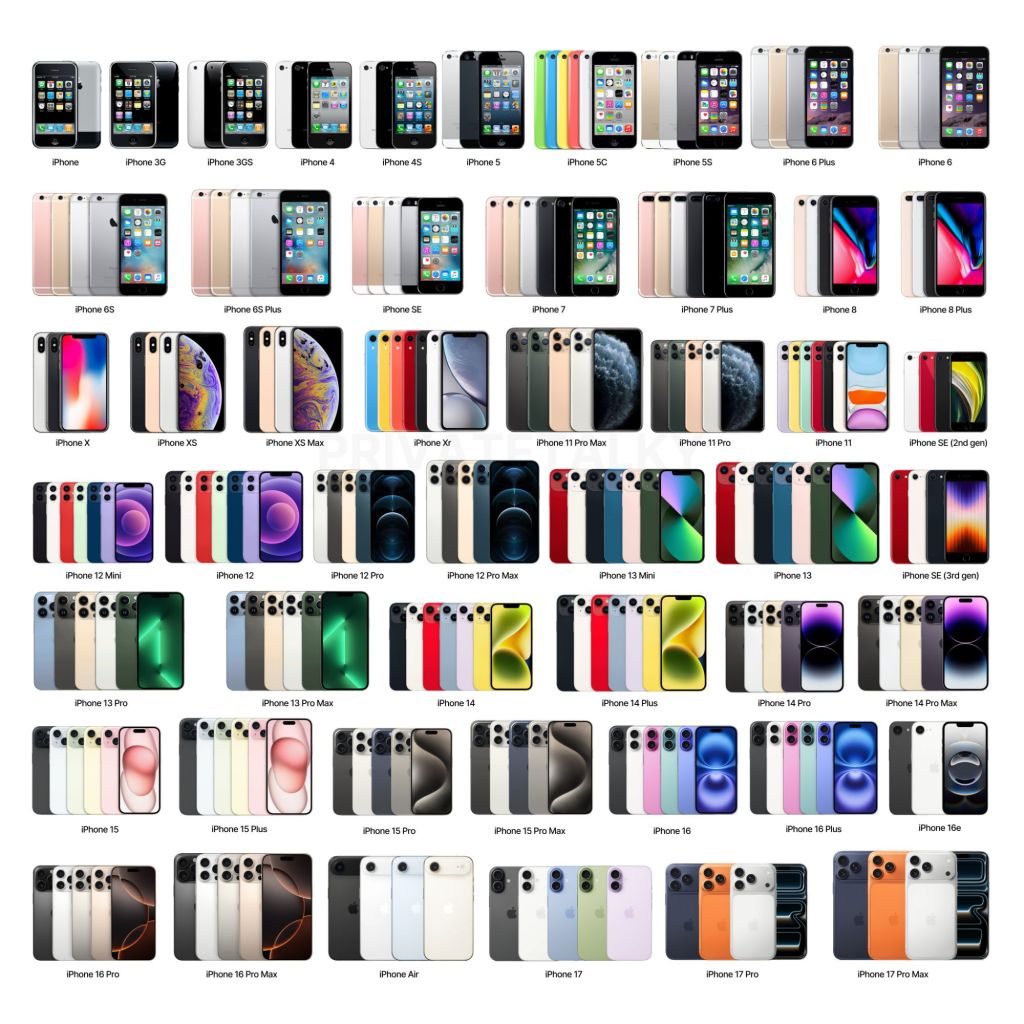
This is not a review, but a short observation and thought that we want to explore soon. 9th September is Apple Event Day, this year, as Apple unveiled its iPhone 17 lineup, my feed looked less like a launch party and more like a protest rally, this is still the case, as Tweets and QRTs shouted: “Boycott the iPhone 17! Remember Congo!”, yet, scrolling through them, I noticed something ironic.
Even as people tried to warn us about ethical supply chains, they were also telling thousands of others that a brand-new iPhone exists.
This isn’t just a quirk of online culture, it’s baked into how platforms work. Algorithms don’t read intention; they read engagement. Whether you’re raving about a product or tearing it apart, your post counts as activity, and activity keeps the topic trending.
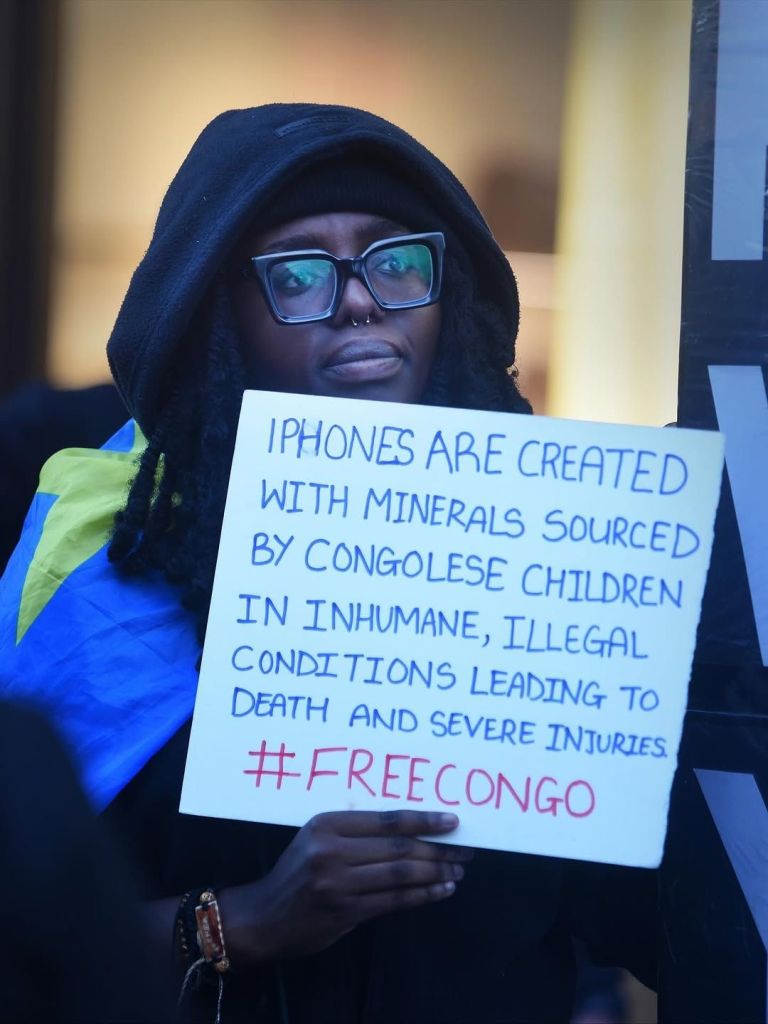
It’s part Streisand effect, part “no such thing as bad publicity.” By naming and hashtagging a product in a critical thread, we help it rise in search, expand its reach, and nudge curious onlookers to click “learn more.”
That doesn’t mean we shouldn’t speak up about exploitative practices or question corporate ethics. But it does suggest we need new strategies if the goal is to limit visibility rather than fuel it. Maybe that means framing issues without tagging the product name, or supporting campaigns that focus on solutions instead of repeating the brand’s marketing keywords.
In my marketing and public relations experience, the attention economy has visibility as it’s currency, and sometimes, the loudest boycott can end up paying the bills.