
If you’ve lived in South Africa long enough, you’ve probably noticed how gambling has crept into almost every corner of daily life. From the endless sports betting adverts on TV, provincial sports teams and airports, right down to the betting shops in every neighbourhood, it feels like there’s no escaping them. And it’s not just a feeling, people see it, people feel it and the people are starting tk talk about it, the numbers back it up.
In 2023/24 alone, South Africans wagered R1.14 trillion. That’s a staggering 40% increase in just one year. To make matters worse, gambling companies spent R2.6 billion on advertising by March 2025, and more than half of that went into sports betting. If you think you can’t watch a football, cricket, or rugby match without seeing an ad pushing you to “bet now,” you’re not imagining it.
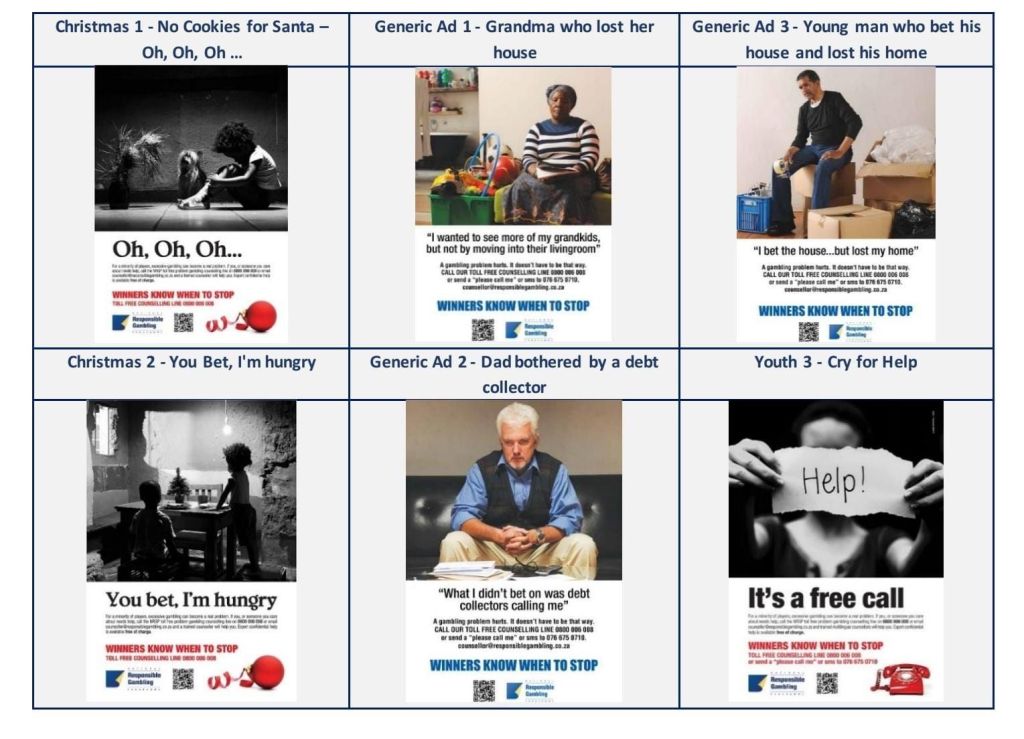
But while the industry counts profits, ordinary people are paying the price. Referrals for gambling addiction treatment have jumped by 40% in the past year, from about 2,600 to over 4,100 cases. Many of those seeking help aren’t high rollers. They’re unemployed, reliant on social grants, and already stretched thin. Around 35% of people referred for treatment are jobless and depend on SASSA to survive. That’s not a harmless flutter; that’s poverty deepening under the weight of a predatory industry.
- June 2025 : “Betway gets behind every Bok for another four years.“
- August 2025 : “Dafabet Announced As CSA’s Official Team Associate Sponsor”
What’s worse is how normalized all of this has become. Gambling isn’t just in the casinos anymore, those are experiencing a decline in patronage because gambling is now available on your phone, in your pocket, in your WhatsApp group chats. Disguised as “just part of the game.” The youth, who are constantly online and watching sport, are being groomed into a culture where betting feels as natural as cheering for your team. This is what frightens me the most, the exposure of gambling to young minds sets the tone for a future of gamblers.
South Africa’s gambling laws are outdated. The National Gambling Act of 2004 was written before the explosion of mobile and online betting. Illegal and offshore sites operate with little consequence, meanwhile, government talks of regulation feel like whispers against the roar of billion-rand ad budgets and ultimately end up as lip-service and window-dressing.
So where does this leave us? With households spending 1.6% of their budgets on gambling, often on credit or borrowed money. With families broken by debt and addiction. With a society where gambling is treated like entertainment when it’s really exploitation dressed in neon lights.
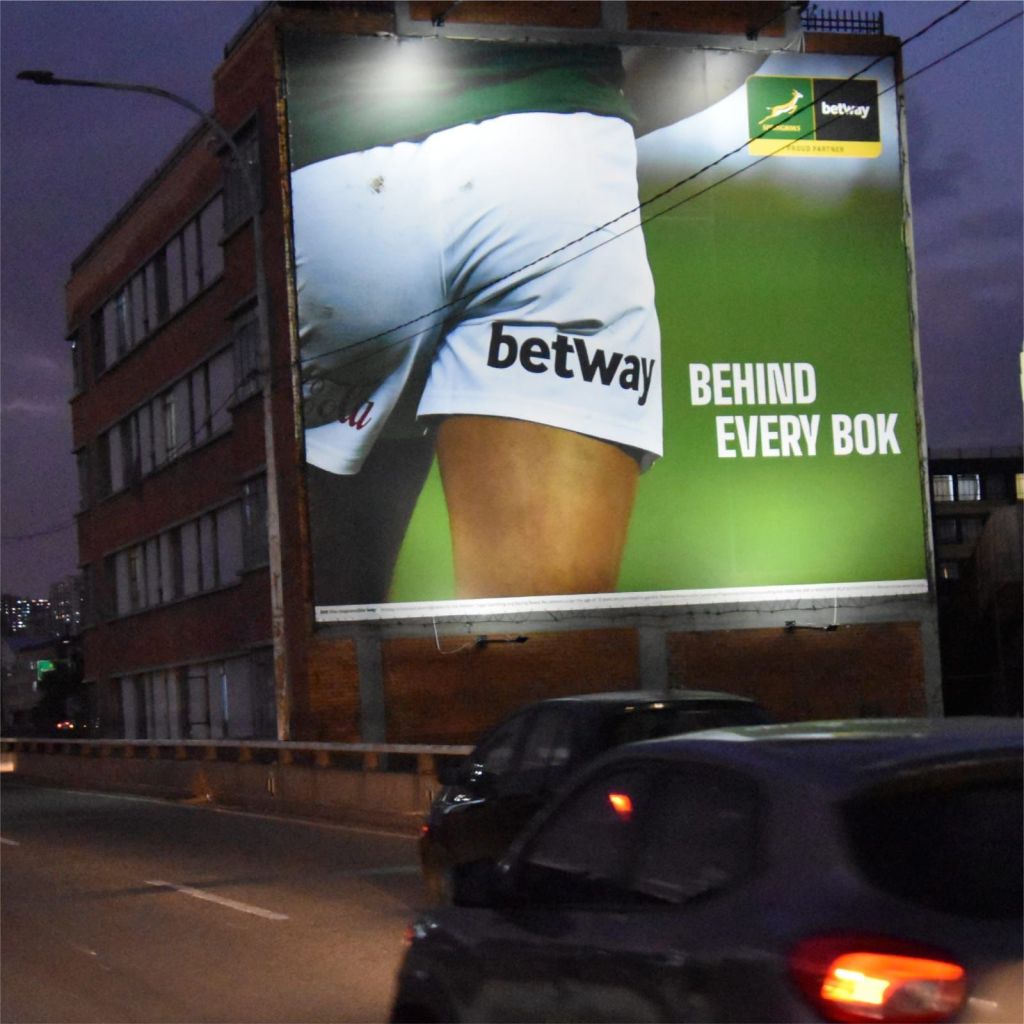
Maybe it’s time we started talking about gambling the same way we talk about drugs, alcohol and cigarettes, as a vice that requires hard limits, strong warnings, and real protection for the vulnerable. Maybe it’s time to ban gambling logos from sports jerseys, to block betting ads from screens when children are watching, and to tax these companies heavily to fund addiction treatment.
Because right now, gambling doesn’t look like an escape. It looks like a chokehold, a chokehold that we have experienced before as a nation and overcame it well enough in the late 90’s and early 2000’s.
The growing visibility of gambling platforms is danger masked in bright billboards and sponsored national team kits. We should seek alternatives that are about shaping the environment our children grow up in. Every advert, every sponsorship deal, every “bet now” notification normalises a behaviour with long-term social costs. If we don’t start minimising this visibility in the next few months, we are setting up the next generation to inherit an even deeper crisis in the future.


