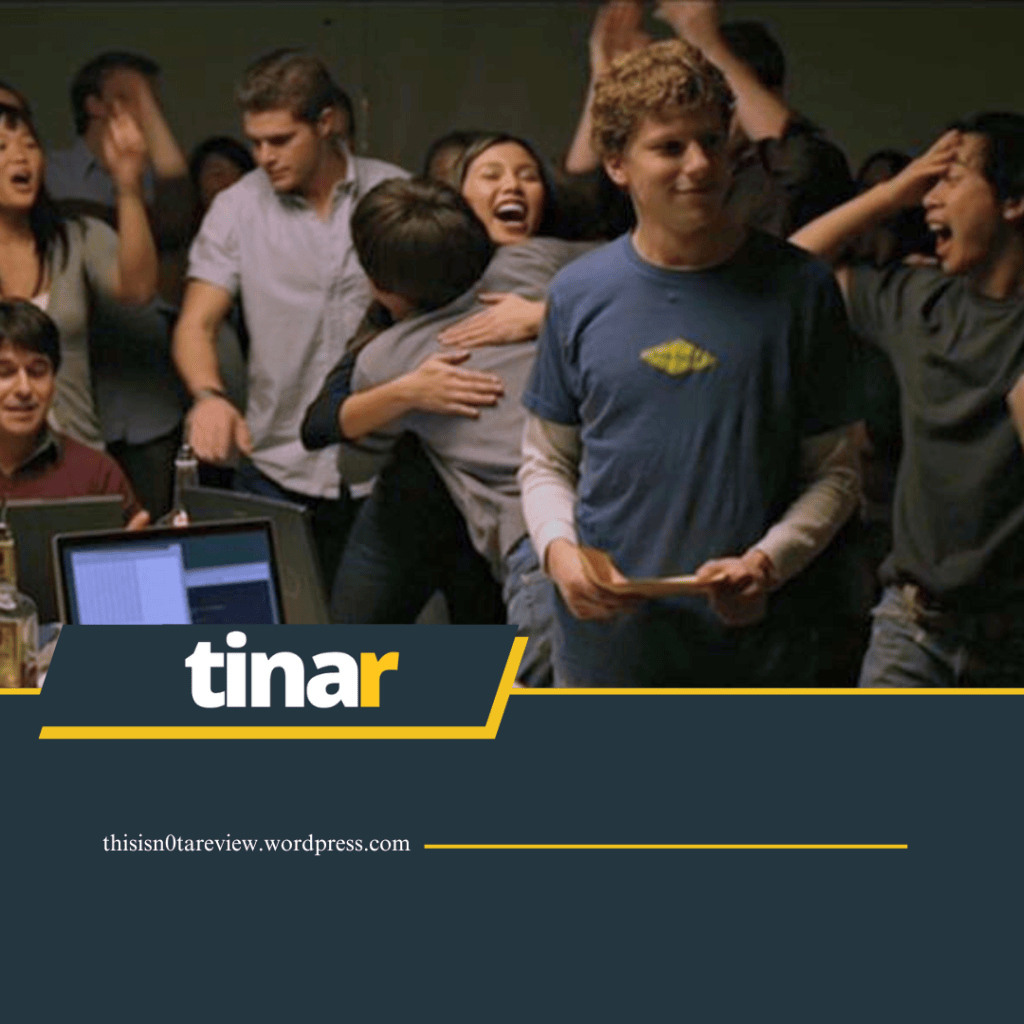
When The Social Network hit the cinema on October 1st, 2010, it didn’t land as just a film about Mark Zuckerberg, and the founding of Facebook, because to many like us formaly in tech, it was a cultural document. Directed by David Fincher and written by Aaron Sorkin, the film gave us a story that felt Shakespearean in scope: betrayal, ambition, greed, genius, and the cost of innovation. But with 15 years of hindsight, the movie’s legacy is bigger than its Oscar wins. It became, unintentionally, a mirror of what social media and Facebook in particular would mean for the next decade and a half of global society.
This is not a review, but a reflective dive into what changed my perspective about social networks.
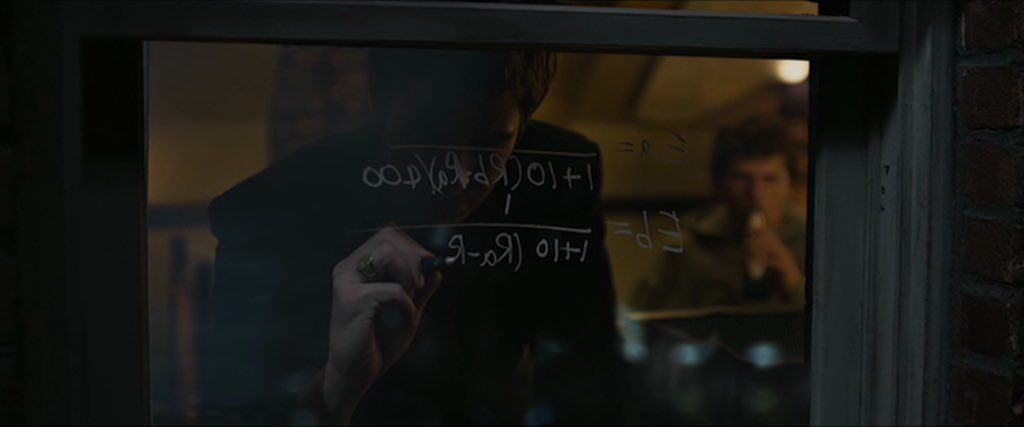
Marketing and PR: The Birth of a New Era
From a marketing and public relations standpoint, The Social Network did more than dramatize the founding of a company. It captured the exact moment when “social” stopped being about interpersonal connection and became a business model. Brands, organizations, and even political campaigns would soon realize that Facebook was not just a college-networking site but a platform that could influence behavior, build identities, and shape consumer desires.
PR strategies shifted almost overnight. Facebook became the testing ground for targeted ads, influencer campaigns, and the rise of real-time brand engagement. Traditional PR, once centered on press releases and media briefings, had to evolve into “social listening,” crisis response in viral environments, and managing the reputational risks of a hyper-connected world.
In this way, the film marked the beginning of social media as a marketing machine, and its narrative of intellectual theft and ruthless ambition foreshadowed how corporations and individuals alike would begin “hacking attention” as the new currency.
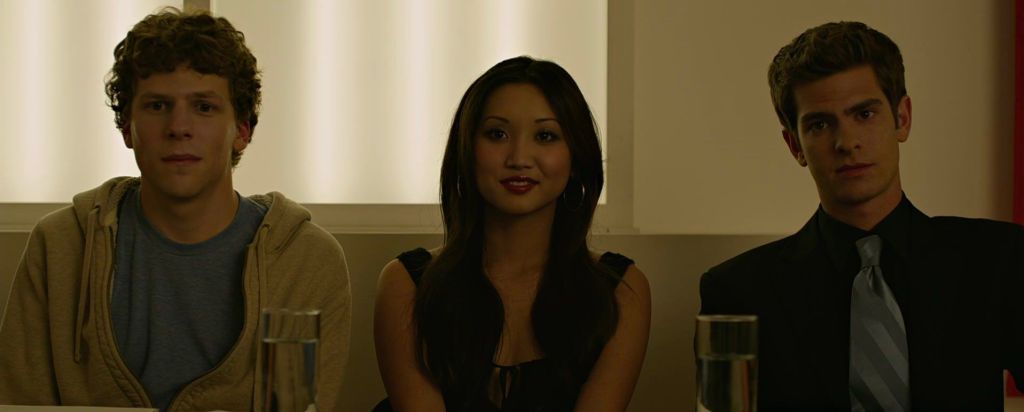
The Dark Side: Safety, Trust, and Mental Health
Yet, the movie’s legacy cannot be separated from the cautionary tale embedded in its script. What The Social Network showed, if only as subtext, was that Facebook wasn’t simply about connection but about control. Fifteen years later, concerns around privacy, data mining, algorithm-driven polarization, and online safety dominate global discourse.
Parents worry about their children’s exposure. Governments investigate disinformation campaigns. Marketers and PR professionals must now ask themselves: At what ethical cost are we leveraging these platforms?
A netizen recently summarized this brilliantly:
“Crazy how a movie about stealing an idea turned into the blueprint for ruining everyone’s mental health.”
This statement deserves unpacking. What began as a story about one man’s ambition evolved into a global experiment in psychology at scale. The very “idea” stolen, social networking, became the foundation for platforms that feed on dopamine hits, comparison culture, and the erosion of attention spans. In marketing, we call this “engagement,” but for individuals, it often manifests as anxiety, loneliness, and fractured self-worth.
In other words, the netizen’s quote is not a hyperbole. The film accidentally foretold how the ruthless drive to dominate the online space would trickle down into the everyday mental lives of billions of users.
A Cultural Artifact with Lasting Resonance
Fifteen years on, The Social Network remains more relevant than ever. A film about the past that has unintentionally become a roadmap for understanding the present. From a PR perspective, it reminds us that every innovation carries a reputational shadow. The way Facebook was born, in secrecy, conflict, and questionable ethics, echoes in the crises it faces today: misinformation, data leaks, trust erosion, and public backlash.
For marketers, it’s both a case study and a caution sign: digital platforms can transform industries, but without ethical guardrails, they risk alienating the very audiences they aim to connect.
So while this is not a review, I’d like to conclude that The Social Network was marketed as a film about friendship, betrayal, and the rise of a billionaire. But in hindsight, it is a cultural prophecy. What started as the theft of an idea became a masterclass in branding and a warning about the emotional and societal costs of making “likes” and “shares” the heartbeat of human connection.
Tinar will be hosting a viewing of ‘The Social Reckoning‘ on the 9-10th of October 2026 in Johannesburg & Cape Town. Followed by a dialogue session.
Full details are to be announced on the 9th of October, 2025.


