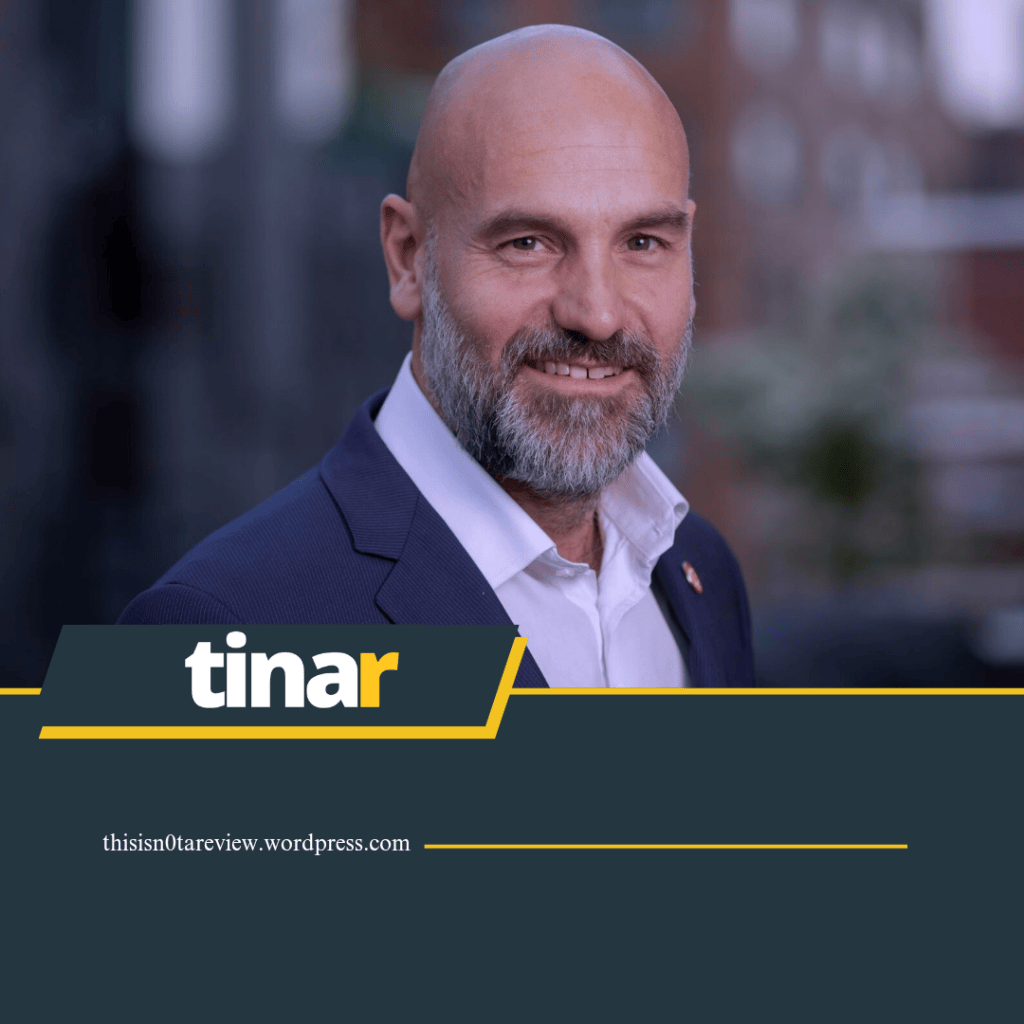
South African entrepreneur and philanthropist Mark Shuttleworth has pledged US$1 million to the Mouse-Free Marion Project, a large-scale environmental restoration effort aimed at protecting Marion Island’s globally important seabird populations.
The project, a collaboration between the Department of Forestry, Fisheries and the Environment (DFFE) and BirdLife South Africa, seeks to eradicate invasive house mice that are devastating seabird colonies on the sub-Antarctic island. The donation, announced in October 2025, marks a major milestone for what is the most ambitious conservation initiative ever undertaken in South Africa’s history.
Marion Island, part of the Prince Edward Islands Marine Protected Area, lies over 2,000 kilometres southeast of Cape Town. It is home to millions of seabirds, including wandering albatrosses, grey-headed albatrosses, and several petrel species, many of which breed nowhere else on earth but on the Island.
However, over the past few decades, house mice have wreaked havoc on the ecosystem. With no natural predators, the mice have adapted to feed on invertebrates, plants, and, alarmingly, live seabird chicks. Research teams have documented harrowing scenes of mouse-inflicted injuries on young albatrosses and petrels, threatening entire species with local extinction.
The Mouse-Free Marion Project aims to restore balance to this fragile ecosystem by conducting a one-off aerial baiting operation that will remove the mice from the island entirely. Similar eradication campaigns in New Zealand and other sub-Antarctic territories have proven successful, offering a hopeful precedent.
Shuttleworth’s Role in Environmental Philanthropy:
Shuttleworth, best known as the founder of Thawte, the Ubuntu operating system, and as Africa’s first space tourist has long championed causes that intersect innovation, education, and global progress. His latest contribution signals a deepening interest in environmental sustainability.
“The scale of the problem on Marion Island requires both scientific precision and global cooperation,” the project team noted in a statement. Shuttleworth’s donation, which will be available in early 2026, provides a critical boost to funding efforts and momentum ahead of the operation’s planned implementation phase.
Building Toward a Mouse-Free Future
The Mouse-Free Marion Project estimates it will require over R400 million (approximately US$20 million) in total to execute the full eradication plan. Shuttleworth’s contribution represents both a significant financial commitment and a call to action for other funders, corporations, and citizens to step forward.
“The generosity of this donation underscores what’s possible when individuals of means take an active interest in preserving the planet’s most vulnerable ecosystems,” said project leaders.
As the campaign gains traction, scientists and conservationists remain cautiously optimistic. If successful, the operation could not only save Marion Island’s seabirds but also stand as a model for large-scale ecological restoration elsewhere.
For South Africa, the Mouse-Free Marion initiative is not just a conservation project, but a demonstration of the nation’s scientific capability, environmental responsibility, and global leadership in biodiversity protection.
Shuttleworth’s contribution reinforces that narrative. His blend of entrepreneurial success and philanthropic foresight shows how South African innovation can extend beyond technology and space exploration, but also to the preservation of life on Earth itself.
No comments on South African Philanthropist Mark Shuttleworth Donates US$1 Million to Save Marion Island’s Seabirds
South African Philanthropist Mark Shuttleworth Donates US$1 Million to Save Marion Island’s Seabirds