This is not a review, but if it was to be one, I would start off by saying that change is always good, and that rebranding is always a game-changer in any industry where a brand growth strategy is in place, but in this case, there is something to fully observe and discuss about TymeBank’s announcement that it will soon be known as GoTyme Bank. For a digital bank that once positioned itself as the future of everyday banking, this feels less like evolution in the local market and more like a silent retreat.
South Africans, by nature and by history, don’t take kindly to spin-off-style name changes. We’ve seen it too many times before, from telecoms to retail, when a brand tries to disguise possible internal turbulence with a new name, a new logo, and a marketing line about “growth and maturity.” But South Africans are not fooled by cosmetic optimism. We are a nation that reads tone, timing, and subtext better than most.
And the subtext here, is loud. The trust problem that hasn’t gone away

TymeBank has spent the last three years quietly struggling with what every digital-first bank eventually faces: customer trust and retention. For every new client they sign, they reportedly lost two or three. That’s not a glitch, that’s a pattern.
It’s a pattern I’ve seen up close. My own brother jumped on TymeBank when it first landed, attracted by its simplicity and zero-fee promise. A few years later, he quietly moved back to Capitec, no big drama, just fatigue. A few other people I know didn’t even last a year. The common thread? They liked the idea of TymeBank, but they didn’t feel anchored in it.
A rebrand, especially one this abrupt, in-between news of internal leadership hires, doesn’t heal that kind of wound. It deepens it.

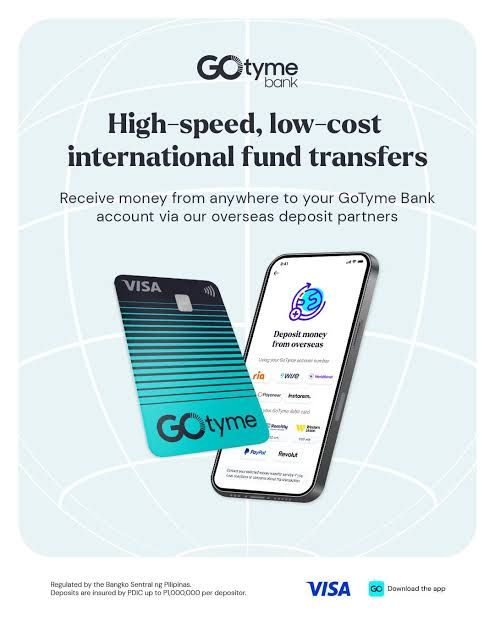
“GoTyme” doesn’t land where it should. The new to South Africa, name “GoTyme,” felt imported rather than imagined for South Africa, and with more reading and research, we found that it is already an operating name in the Philippines. It sounded like a product spin-off when I first read about it and not so much a stable financial institution. It doesn’t evoke the weight or reassurance South African associate with the word “bank.”
More critically, it feels untested for the South African banker. The linguistic and emotional rhythms of South African branding are different to international placement; they demand resonance, not cleverness. “GoTyme” sounds like a marketing catchphrase that escaped the PowerPoint deck and became a headline.
If they’d truly sat in a focus group and listened to how South Africans respond to words, they’d know that we gravitate to clarity, not gloss.

Timing, tone, and misplaced priorities : The timing couldn’t be worse. This country is weary, we are experiencing political disposition, weary of load shedding, economic uncertainty, and corporate reshuffles that offer no visible benefit to the public. At a moment when people crave stability, TymeBank’s decision feels tone-deaf, almost self-absorbed.
The move seems designed for boardrooms and investors, not customers. You can almost sense the PowerPoint pitch: “Let’s unify our international identity.” But ordinary South Africans don’t care about global consistency, they care about whether their debit card will work tomorrow, whether the app won’t crash mid-transaction, and whether someone will actually respond when their money disappears into a digital void.
If TymeBank wanted to build confidence, this wasn’t the way.When brand alignment becomes brand alienation
A rebrand should feel like a renewal, an invitation to trust again. This one feels like a quiet erasure of what little familiarity the brand had built.
TymeBank wasn’t perfect, but it was known. It had a name that South Africans could recognise, pronounce, and recall in conversation. “GoTyme” feels like the kind of thing you scroll past without remembering.
If this is the start of a new chapter for TymeBank, it’s a chapter written in the wrong language for the wrong audience. This isn’t cynicism; it’s concern. South Africans deserve digital banking that feels stable, accountable, and in conversation with them, not just branded for them.
Because, when a company changes its name to sound more global but forgets how to sound local, it risks losing not just its identity, but its people.