Every once in a while, South Africa gets the kind of economic news that deserves a moment of genuine celebration. The recent announcement of a R1.2 billion funding partnership between Absa and HEINEKEN Beverages is one of those moments, not because of its scale alone, but because of what it represents in a country still shaped by profound structural inequalities.
In a landscape where transformation efforts are often reduced to slogans or corporate campaigns, this initiative signals something deeper: a deliberate, material investment in Black-owned small and medium enterprises, the very segment most systematically excluded from access to finance.
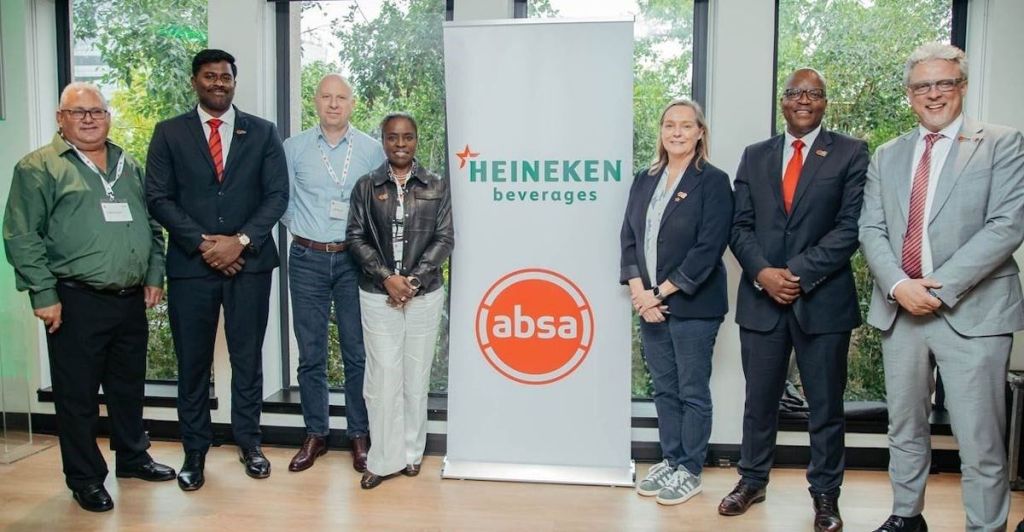
What makes this announcement particularly significant is the structure behind it. This is not a donation, nor a public relations gesture disguised as a development effort. Half of the fund comes from HEINEKEN’s Enterprise & Supplier Development commitments, and the other half is co-lending directly from Absa’s balance sheet, a meaningful level of financial risk that moves the intervention beyond optics. The fund does not simply make capital available; it integrates emerging Black businesses into a global supply chain through supplier development, localisation projects, growth partnerships, and the kind of non-financial support, from financial literacy training to business development services, that determines whether businesses merely survive or actually scale.
Yet it would be naïve to pretend this announcement exists in a vacuum. It arrives during a period of heightened political sensitivity in South Africa, where transformation is increasingly weaponised as a cultural battleground. Groups like AfriForum have been intentional and relentless in exporting narratives of “reverse discrimination” to international audiences, especially in the United States, where such rhetoric finds fertile ground in certain political circles. Their claims, often amplified through American conservative media, frame South Africa’s transformation policies as hostile to minorities, ignoring entirely the historical and economic context that makes targeted redress necessary in the first place.
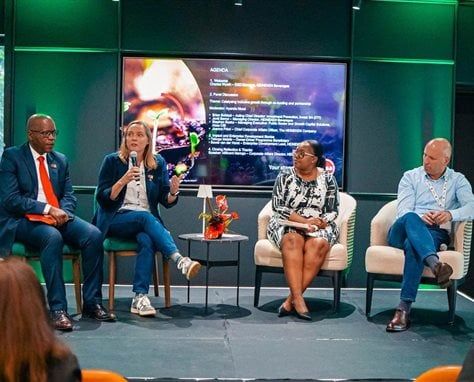
This is the climate into which the Absa–HEINEKEN fund is introduced, a climate where any initiative aimed at Black SMMEs is immediately politicised, misinterpreted, or framed as punitive. Transformation efforts, even those rooted in economic logic rather than ideology, risk being dismissed as window dressing or as moves made to appease government requirements rather than to build a more equitable economy. Critics often argue that such programmes are exclusionary or discriminatory, conveniently ignoring the material reality that Black businesses remain excluded not because of their lack of talent or ambition, but because exclusion was built into the economic architecture for generations.
And so the question arises: is this fund just another PR exercise designed to tick boxes and silence criticism? The evidence suggests otherwise. Real capital at risk, long-term supplier development pathways, and integrated localisation strategies point to a sincere attempt by two major corporates to repair structural gaps rather than plaster over them. If anything, the backlash that such interventions often receive highlights precisely why they are needed. Transformation is loud not because it is performative, but because it confronts interests that prefer the silence of the status quo.
It is important, then, to say plainly what this fund represents. It is a tangible investment in South Africa’s future, a gesture toward the kind of economy that can not grow while leaving its majority outside the gates of access. It recognises that the playing field is not level and that equity, contrary to politicised rhetoric, is not a threat to anyone. Instead, it is an essential step toward stabilising an economy in which entrepreneurship thrives only for those who can secure capital. Black SMMEs continue to face steep barriers to entry in formal supply chains, and without targeted interventions like this one, those barriers will remain firmly in place.
This announcement will undoubtedly be interpreted through competing lenses. Some will celebrate it as a long-overdue and meaningful commitment. Others will view it as a political concession or an unnecessary intervention in free markets. But the truth is simpler and far more grounded: South Africa cannot afford to ignore transformation, not if it hopes to reduce unemployment, grow local industries, strengthen supply chains, and build resilience in the face of global economic shocks. And transformation cannot occur without capital, real, accessible, sustained capital.

In the end, the Absa–HEINEKEN initiative is not just good news; it is a necessary step forward. It demonstrates what it looks like when corporates move beyond rhetoric and place measurable resources behind their commitments. It is a reminder that transformation is not a favour extended to Black businesses, but a long-overdue correction to historical imbalance. And it is proof that, despite the political noise and orchestrated resistance, there are institutions willing to act in the national interest rather than pander to ideological narratives.
South Africa becomes stronger when its entrepreneurs are funded, its supply chains localised, and its economic playing field made genuinely fair. This fund does not solve all our problems, but it meaningfully shifts the direction of travel. And for that, it deserves to be recognised for what it is, a billion-rand investment in a fairer, more functional South Africa, not another pawn in a culture war.


