
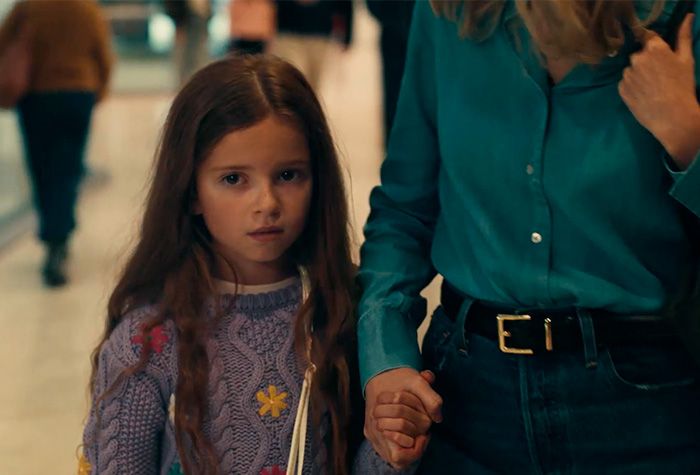
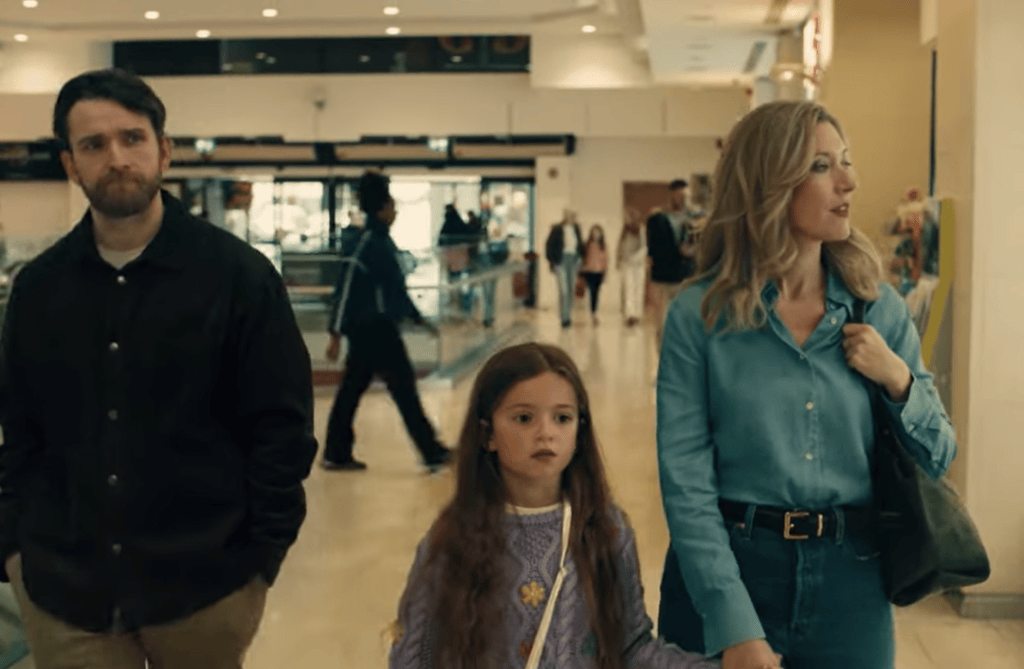
In Ireland, a powerful public-awareness campaign is forcing parents to rethink what they share online. The “Pause Before You Post” initiative, launched by the country’s Data Protection Commission, tackles the growing issue of sharenting, the casual posting of children’s images, milestones, school moments, and private details on social media.
The campaign’s premise is simple yet striking: parents should take a moment to consider what they’re about to upload. The internet never forgets, and children deserve autonomy over their digital identities long before they are old enough to consent.
While the video and messaging were created for Ireland, its relevance stretches far beyond their borders. In fact, South Africa may need this campaign even more.

Sharenting in South Africa is a growing blind spot. Every year, we highlight the dangers of posting children’s “first day of school” photos on my social media accounts. And every year, I’m shocked by how many South African parents, especially Black parents, overlook the risks. In these photos, details that seem innocent and charming actually give strangers everything they need: school name, grade, age, home suburb, uniform identifiers, and sometimes even route information.
On platforms like Twitter/X, the problem becomes more concerning. The sheer number of bookmarked posts featuring children, often by accounts neither related to, nor known by the parents, is deeply alarming. These bookmarks are almost never innocent. The behaviour patterns there do not lie.
As South Africa observes 16 Days of Activism against Gender-Based Violence (which coveres children too), this topic becomes even more urgent. Violence against women and children does not only happen offline. It is often facilitated by digital breadcrumbs left by well-meaning parents who don’t realise their online audience includes predators.
Why a South African Version of “Pause Before You Post” Is Needed Now
1. Children’s images travel faster here than parents think and often a single Facebook or WhatsApp Status post can end up:
- on community groups
- on meme pages
- in private chats
- on anonymous accounts
- in storage folders of people with harmful intentions
South Africans underestimate this digital ripple effect.
2. Human traffickers target poorer and working-class communities. This is not fearmongering; it is the reality.
South Africa has seen cases of child abductions with no ransom demands, meaning the motive wasn’t financial recovery, it was exploitation.
The case of 6 year old Joslin Smith from Saldanha Bay, who disappeared on the 19th of February 2024, is a story that captured the country’s attention and remains an unsettling reminder to pause and think before you post. When children go missing in poorer communities, the silence is loud, the investigations are slower, and the outcomes often devastating.
While the Joslin Smith case is different, in some cases, parents in less advantaged areas unknowingly make their children more vulnerable through oversharing. Predators do not need to stalk physically anymore; they can do it digitally, in comfort and privacy, scrolling through open profiles.
3. POPIA exists, but enforcement is weak when it comes to child safety
Offline, as tinar in collaboration with craftingedu.wordpress.com, we have spoken at length about child consent in image usage and distribution. Our privacy legislation gives minors significant rights on paper, but in practice, schools overshare, parents overshare, and companies exploit children’s images freely because accountability is almost nonexistent.
A national campaign could shift the culture.
4. AI and deepfakes are now dangerously realistic
The Irish campaign touches on future dangers, but for South Africa, this is already the present. With free AI tools:
- a child’s face can be extracted from a photo,
- manipulated,
- aged up,
- combined with inappropriate content,
- or inserted into deepfake videos.
Parents have been unknowingly creating the raw material for exploitation, with more awareness it will soon be time to call out these behaviors as information of its dangers is out in the open and accessible. We will soon be able to spot if a parent is intentionally publishing content of their child with the intentions of harm masked as social media content.
5. Children deserve digital autonomy
One of the most powerful messages from the Irish campaign is that children may grow up resenting the online footprint their parents created for them.
Digital identity is a form of childhood dignity. South African children deserve that dignity too.
A South African “Pause Before You Post” campaign would not only raise awareness, it would save lives.
Imagine seeing ads that show:
- the journey a single school photo takes
- how quickly strangers access posts
- how innocent details reveal patterns
- the future voice of a child saying, “I wish you asked me first”
- the legal rights children have under POPIA
Beyond awareness, South Africa needs stricter legal consequences for reckless sharenting. Parents should not be able to upload identifiable images of minors without considering the child’s long-term safety.
Lets not wait for a child to end up in danger because of a parent’s digital negligence, there should be legal frameworks addressing this, not to punish parents, but to protect children.
The internet is no longer a playground; it is a global marketplace of data, images, and identities. Children must not be the collateral.
With AI becoming more advanced, deepfakes more realistic, and online predators more sophisticated, South African parents across all communities, but especially in lower-income and middle-income areas, must urgently rethink their posting habits.
This is a call to keep children SAFE.
As the Irish campaign reminds us:
Pause. Think. Protect. We need you to remember that your child’s face belongs to them, not the internet.
Editorial note : J Smith’s name is spelled in two different ways on many media platforms, but according to the Government Pages, it is Joslin Smith, not Joshlin Smith.


