Thanda, a non-profit entity, has launched its newly developed Grade 8+ Skills Program, designed to strengthen confidence and create extracurricular opportunities through skills development for rural teenagers. The initiative responds to a growing gap experienced by young people leaving primary school in under-resourced communities.
When youth who are faced with limited guidance, fewer role models and restricted opportunities make the transition from adolescence into early adulthood, programs like this not only provide hope against the challenges, but also become avenues of support for growing minds. The programme offers structured hands-on extracurricular lessons twice a month across three semesters and has logged a collective 240 hours across its disciplines since the pilot kicked off in early 2025. Each session builds practical competencies while helping learners develop problem-solving skills, build resilience, harness patience, and teamwork, along with tangible skills that may support future livelihoods. The organisation believes that over time, it can create clearer pathways for active community participation from teens.
Skills sessions are facilitated by local elders from the community, who serve as craftspeople and mentors, alongside Thanda staff who lead computer training and coordination. This intergenerational model fosters belonging and a continuity of traditional knowledge while equipping youth with relevant, future-facing skills.
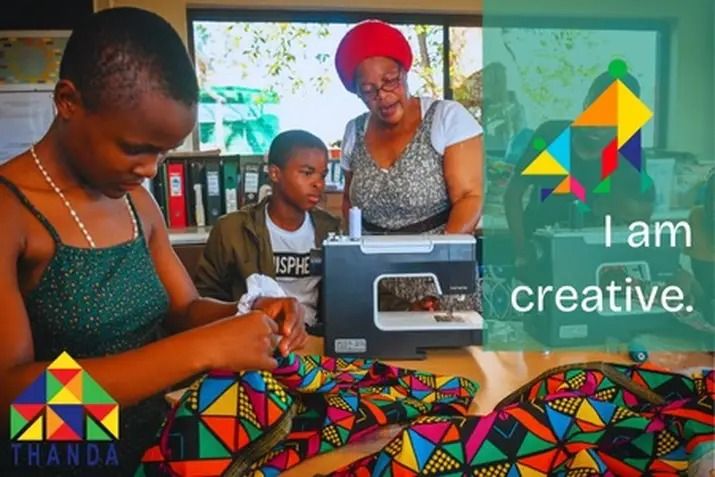
For many participants, it’s the first time they feel proud of something they’ve created and hear the affirming words, “you made this, you are capable”.
“Thanda has become a home for many of us. oSisi and oMalume help us grow and talk about things we can’t always say at home. A certificate doesn’t guarantee a job, but a skill can change your future.” says 15-year-old Wesihle Msane
Thanda developed the programme after noticing a trend of older teens returning to the organisation’s community centre even after they had aged out of its flagship extracurricular Siyazazi programme, which serves children up to Grade 7 (age 12). “Some of our teens continued to walk long distances to Thanda even though the programme wasn’t technically for them anymore,” says Angela Larkan, Executive Director and Co-Founder of Thanda. “That spoke volumes. They wanted to continue to belong within a community where children can create and feel proud of what they make.”
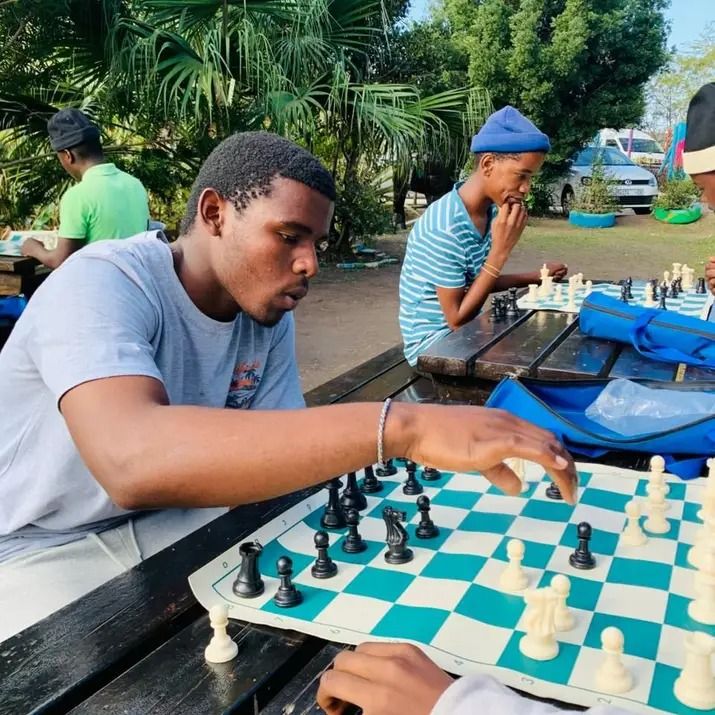
The Grade 8+ Skills Programme includes carpentry, sewing, beading and digital literacy classes, as well as opportunities for practical application. While teens acquire useful competencies, the intention goes beyond technical skill-building. “Our Grade 8+ Skills Programme is about more than just learning trades,” says Larkan. “It’s about restoring that feeling of, ‘I can do this’. When a young person finishes making something, it builds a sense of worth that ripples into every part of their life. It’s not about hobbies but more about capability.”
The programme also reinforces community cohesion by keeping youth engaged in a supportive “ecosystem” where they remain connected to positive role models and contribute meaningfully to their families and communities. The expanded model will accommodate beginners, as well as the semi-skilled learners who have completed the programme’s first year, with more experienced participants taking on mentorship and leadership roles to accommodate peer-to-peer learning, says the NPO.
The next phase also aims to introduce entrepreneurial thinking and applied skills to help youth pursue practical livelihood and small enterprise opportunities within their communities and important life skills, no matter which path they choose in the future. “By investing in rural teens,” Larkan concludes, “we’re not just teaching skills, we’re shaping futures that feel possible.”
This year, 75 adolescents from several rural wards in Mtwalume participated in the program, and Thanda plans to continue in 2026 to reach at least 85 learners.
Thanda is now collaborating with partners to continue the program in 2026, including increasing facilitator capacity and hopes to extend access to more youth across the region.