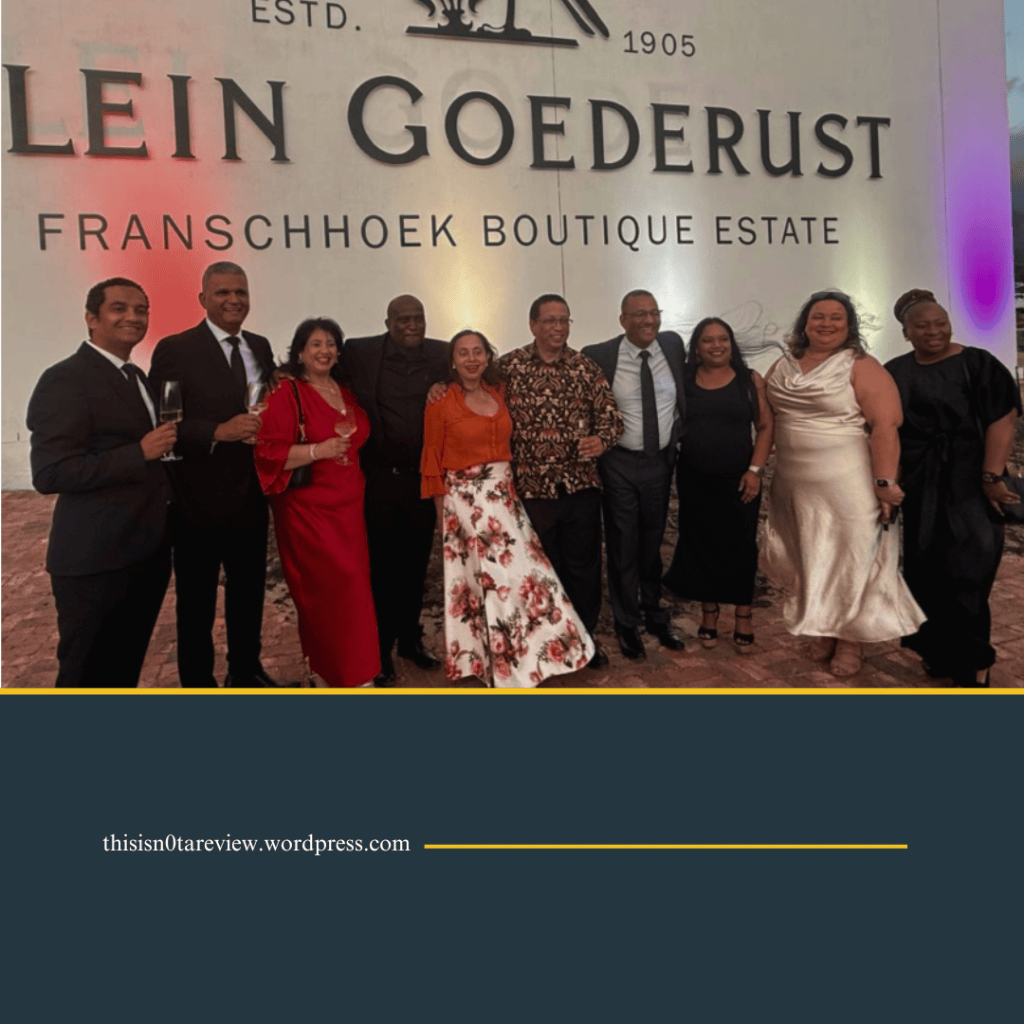
This is not a review, but if it was to be one, we would start it off at the center of what successful collaboration looks like, and that there are moments when transformation stops being a policy goal and becomes something you can walk through, taste, and experience. The opening of Klein Goederust Wine Cellar in Franschhoek is one of those moments.
As South Africa’s first Black-owned wine cellar, Klein Goederust is not simply a milestone for the wine industry, it is a living example of what becomes possible when Black and Brown people work together to build, sustain, and circulate value within their own communities. It is a story about labour that matures into ownership, about shared vision becoming shared infrastructure, and about collaboration doing what isolation never could.
This past week, the Western Cape Minister of Agriculture, Economic Development and Tourism, Dr Ivan Meyer, marked the official opening of the cellar, describing it as “a triumph for real transformation and inclusive growth” in one of the country’s most historically exclusive sectors. But beyond the speeches and statistics, Klein Goederust represents something far more intimate and powerful: intergenerational belief backed by collective effort.
Acquired in 2019 by owner Paul Siguqa, the farm was once neglected, its potential unrealised. Yet, today, it stands as a boutique winery and tourism destination shaped by persistence, partnership, and community-backed ambition. Siguqa, alongside winemaker Rodney Zimba, are both children of farm workers who understood that dreaming alone was not enough. Their journey is rooted in disciplined work, personal investment, and a willingness to collaborate with industry partners who understood the value of shared growth.
I can’t write this as a story of individual exceptionalism. It can not be written as such because, at its core, It is a reminder that Black and Brown excellence has always been collective. From the vineyard to the cellar, from policy support to production, Klein Goederust exists because multiple hands moved in the same direction. Government programmes such as the Comprehensive Agricultural Support Programme (CASP) played a role, providing resources for vineyard establishment, equipment, and production inputs, and demonstrating what can happen when public support meets community-led vision.

The wine industry contributes over R56 billion to South Africa’s GDP and supports more than 290,000 jobs, with the overwhelming majority of wine cellars based in the Western Cape, ownership has remained stubbornly untransformed. Klein Goederust interrupts that narrative, not through rhetoric, but through presence. It integrates agriculture, tourism, and hospitality in a way that creates jobs, honours cultural heritage, and expands access to markets previously limited from many.
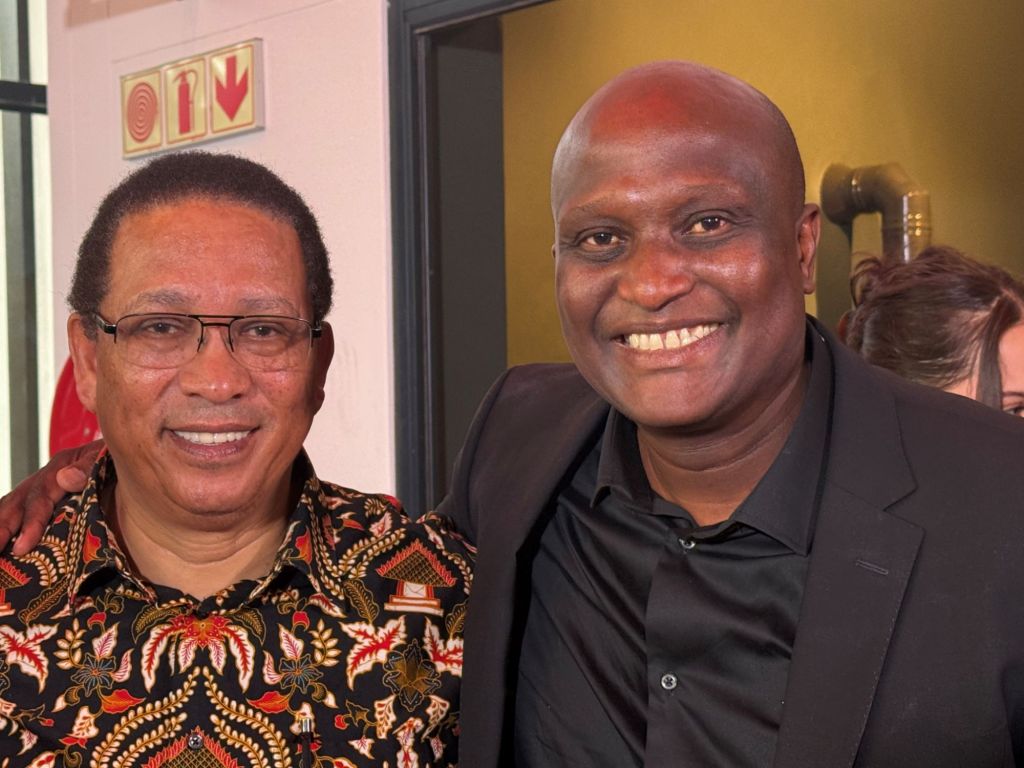
Aligned with the Western Cape’s Growth for Jobs strategy, the cellar is also an example of how economic growth can be rooted in dignity. When Minister Meyer speaks about agricultural support, food security, market access, and business development, Klein Goederust shows what those priorities look like when they are lived, not merely listed.
More than anything, this moment calls for celebration of the people and teams behind the cellar, the farm workers who became visionaries, the partners who showed up, and the networks that refused to let this dream collapse under the weight of history. Klein Goederust is a beacon not because it stands alone but because it proves that transformation is sustainable when it is shared.
This is the work. This is the collaboration. And this is what happens when Black and Brown people build together.
See more of Klein Goederust HERE


