
Dubbed by many in the Eastern Cape as an extraordinary business leader: Ken Clark was born to a sheep and cattle farmer in the Dordrecht district, he returned from conscription in the South African Defence Force and struck out on his own in 1980 with five cows and a rented 80 m² building, Clark began his own dairy venture, which later became Crickley Dairy, a regional producer of milk, juices and other dairy products.
He grew fast in that venture chasing margins by turning raw milk into packaged product.
He didn’t start in beverages by design, he stumbled into it. While already running Crickley Dairy, he came across some old soft drink bottling equipment and was inspired to take a leap.
Clark did not have a plan to start Twizza but began looking seriously at carbonated soft drinks in the early 2000s, traveling through Europe to scout equipment and recipes. In 2003 he launched Twizza in Queenstown, known to most as eKomani, selling an affordable range into townships and small retailers that big brands often serve through longer, pricier chains.
Twizza opened a Middelburg facility in 2012 and added Cape Town in 2015, giving it a manufacturing triangle across inland and coastal routes. It now operates three plants in Cape Town, Komani and Middelburg, with a a combined annual capacity of about 100 million cases, plus backward integration that includes five preform lines and a closure line.

Beyond Business is Community and Leadership
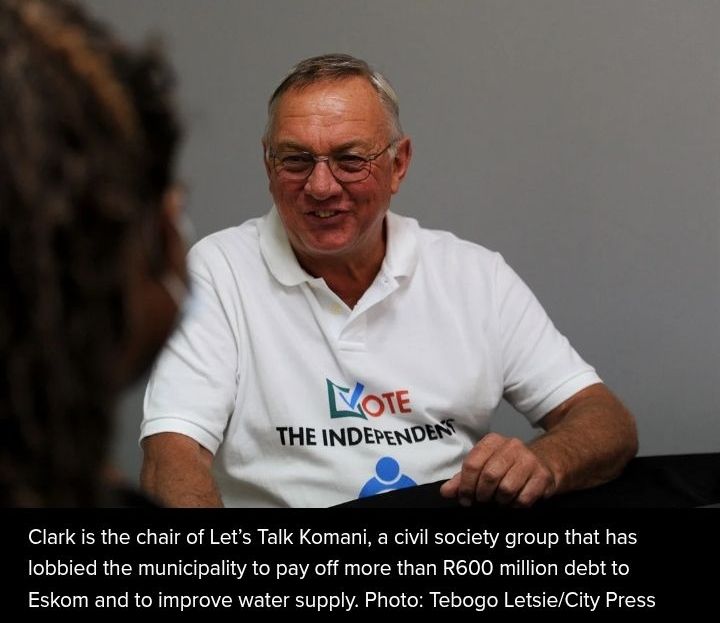
While the company’s success has also meant job creation, employing hundreds locally and contributing to livelihoods across regions where Twizza operates. Clark’s influence isn’t confined to the beverage aisle and manufacturing plants: He has engaged in local politics eKomani, standing as a councillor-elect to advocate for better service delivery and infrastructure in his community.
Twizza has long been a family-led business. As Ken remained Executive Chair before the era of the Varun Beverages sale, his son Lisle Clark is at the forefront of the day-to-day leadership and has helped steer the brand’s national expansion.
Why His Story Matters: Ken Clark’s journey isn’t only about a successful founding trajectory and exit, it’s about building something local into something national without losing its roots. Twizza didn’t start as a conquest of market share; it was an expression of practical optimism, the belief that affordability and quality can coexist, and that a brand can grow from Eastern Cape soil to national recognition.
Whether seen through the lens of business, community impact, or now, its multinational acquisition, Clark’s entrepreneurial arc is distinctly South African in character, a sprinkle of humble beginnings, local investment, and resilient growth.
That footprint is what Varun Beverages is paying for, along with an own brand portfolio of non alcoholic drinks that can sit beside the PepsiCo lineup already bottled by Bevco. Twizza’s turnover was 1,689 million rand in its latest reported year, and it sold about 71 million eight ounce cases, according to figures cited in Indian disclosures.


