
On the 30th of January, 2026, Cricket South Africa (CSA) announced a new multi-year partnership with Red Bull, naming the global brand its Official Energy Supplier. Now this is not a review, but if it was to be one, we’d start off by saying that on paper, it is a deal framed around performance, resilience and innovation, language that has become increasingly familiar in CSA’s sponsorship communications over the past two years.

According to the announcement, Red Bull will support CSA’s high-performance environment, positioning itself as a partner that fuels players, teams, and moments that demand focus on and off the field. The brand’s South African arm is described as having a strong track record of championing local talent across sport, culture and creativity, with a “local-first” approach that aligns its global ethos with South African athletes and communities.
CSA Chief Executive Officer Pholetsi Moseki welcomed the partnership, noting that Red Bull’s brand values align with CSA’s vision for the game. He emphasised that the deal is intended to go beyond product supply, aiming instead to create an environment where players are supported to push boundaries, rise to big moments and inspire fans. Moseki also highlighted Red Bull’s commitment to empowering local talent as a key reason for the partnership.
In isolation, the Red Bull deal reads like a positive and strategically sound collaboration. It also forms part of a growing list of sponsorship announcements CSA has made over roughly the last 24 months, spanning categories from nutrition and energy to logistics, apparel, and development-focused partnerships. Collectively, these announcements signal an organisation actively rebuilding commercial confidence and aligning itself with globally recognised brands.
However, it is precisely in this accumulation of partnerships that a pattern becomes harder to ignore.
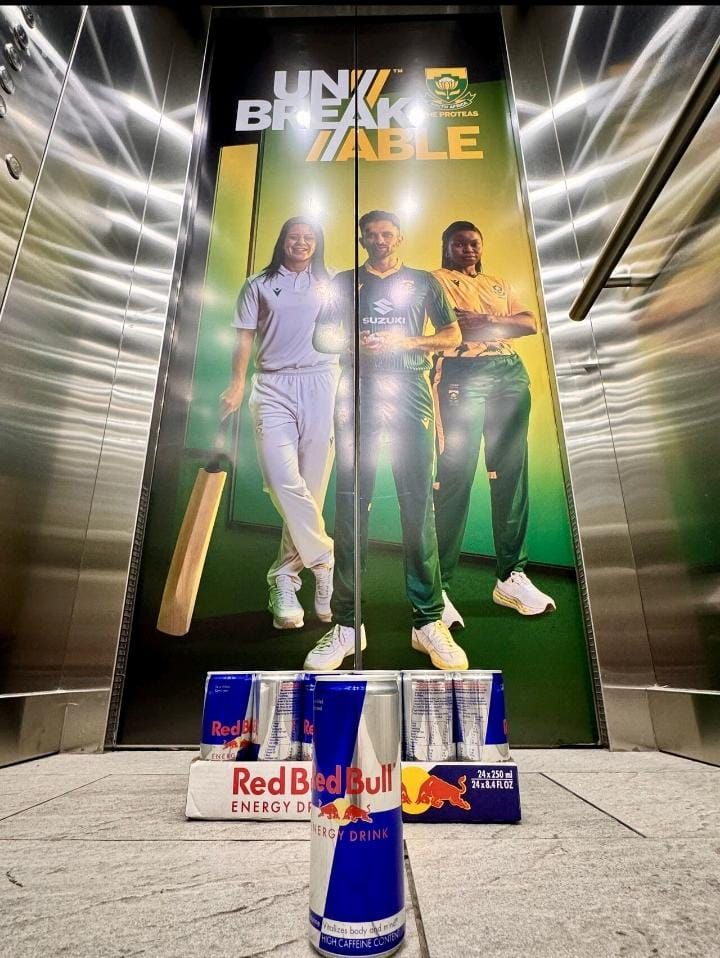
At TINAR, we have observed that while CSA has been consistent in announcing sponsorship agreements, many of these deals struggle to translate into sustained, visible presence in the mainstream cricket ecosystem. Beyond launch statements and isolated brand moments, there is often limited clarity on how these partnerships show up for fans, grassroots structures, domestic competitions or even broadcast audiences over time.
The Red Bull partnership promises “memorable experiences for fans and players” and support for both men’s and women’s cricket through innovation and opportunity. The open question, as with several recent CSA deals, is: what that visibility will look like in practice. Will it be seen regularly across domestic matches, development pathways, women’s cricket coverage and community programmes? Or will it remain largely contained within high-performance environments and marketing visuals?
None of this diminishes the potential value of the partnership. Red Bull’s global reputation for experiential sport marketing and athlete storytelling suggests real opportunity, particularly if activated beyond elite spaces and into the broader cricketing public. But as CSA continues to announce new commercial relationships, the challenge is no longer about signing partners, it is about ensuring those partnerships are meaningfully felt, seen, and understood by the cricket-watching public.
The Red Bull announcement adds another strong name to CSA’s sponsor roster.

Whether it breaks the recent pattern and translates from press release language into everyday visibility within South African cricket , is something the next phase of this partnership will need to answer.


