I have been sitting with this since Monday evening, trying to work out a more measured approach to expressing these concerns, I was also aiming to have this published on the official day of the new home of Tinar, but that is taking longer to activate from the webmaster side. So today, here we are, let’s just talk about it…

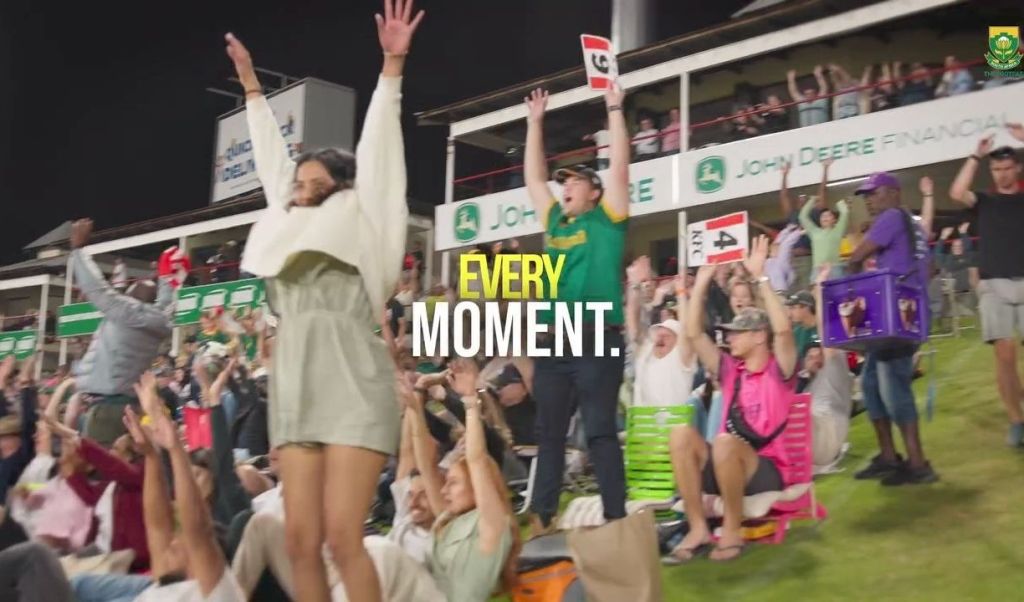
This is not a Review, but on Monday, 9 February 2026, South Africa opened their ICC T20 World Cup campaign against Canada at the Narendra Modi Stadium during the ICC Men’s T20 World Cup 2026. On that same day, a press release was distributed calling on supporters to stand behind the team as “Unstoppable Fans.” The sentiment was correct. The timing was not.
In an ever shifting landscape of sports marketing, timing is not a minor operational detail, it is the strategy itself. There is a profound difference between announcing a fixture and building a movement around it because an announcement informs, and a movement mobilises. When a fan call-to-action is issued on match day, it functions more as acknowledgment than activation. It’s a last-minute thanks to supporters, gestures toward inclusion, and a guilting into “national pride“. All that, does not meaningfully invite participation because participation requires runway.
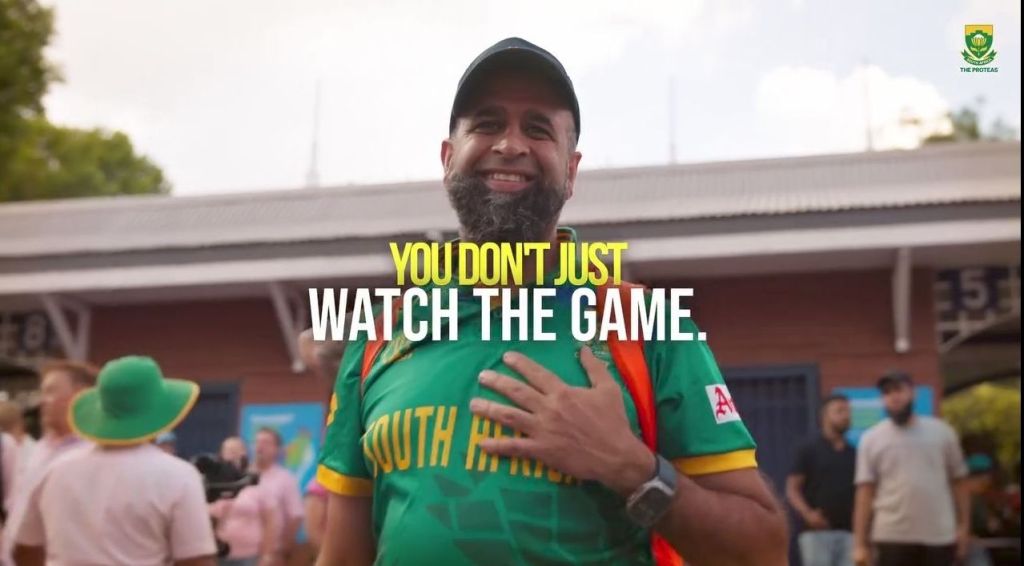
Fan culture cannot be switched on like a stadium floodlight. It is cultivated through anticipation, repetition, and emotional layering. In today’s digital ecosystem, campaigns are no longer confined to match schedules and post-game press conferences. They unfold in arcs. They are seeded months before a tournament begins, shaped by creator collaborations, amplified by sponsor integration, and sustained by narrative continuity. By the time the first ball is bowled, supporters should already feel embedded in the journey, not invited to it as a last minute idea or thought.
This is especially significant in a tournament context where narrative capital already exists. Entering a global competition as runners-up provides a ready-made storyline: unfinished business, redemption, momentum. Those themes are not match-day talking points; they are long-lead storytelling opportunities. With a three-to-four-month runway, a concept like “Unstoppable Fan” could evolve from a slogan into a platform. Regional content creators could document their communities’ build-up rituals.
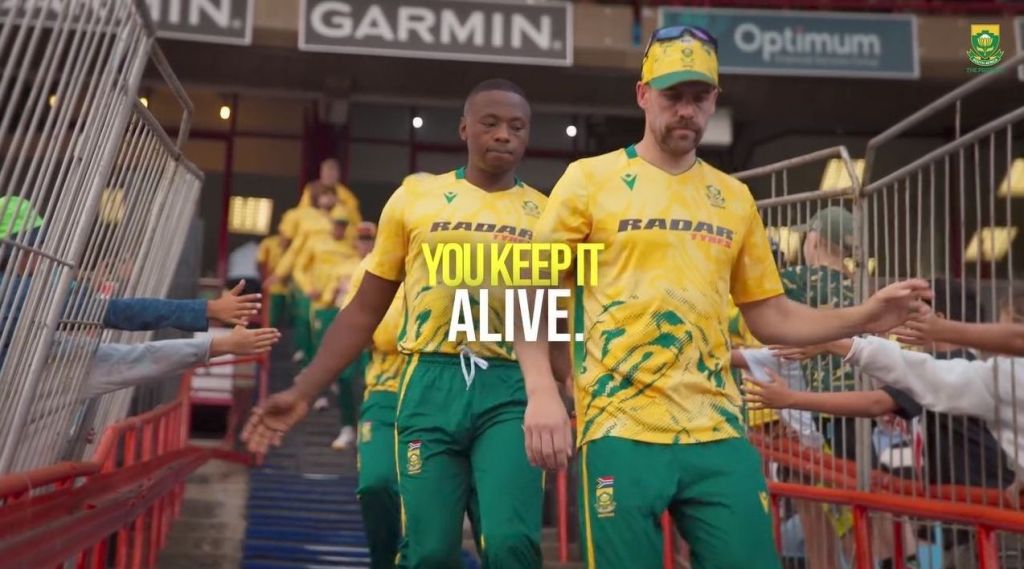
Sponsors could activate micro-blogger campaigns that extend reach beyond traditional cricket audiences. Journalists could spotlight their most loyal readers, turning everyday supporters into visible stakeholders. Players could release short, personality-driven digital moments that humanise preparation and deepen connection. Such a layered approach transforms fans from spectators into co-authors of the tournament experience. And that transformation depends entirely on timing.
When a campaign launches alongside the fixture, it reverts to broadcast-era logic: formal tone, institutional framing, one-way communication. It assumes the primary touchpoint is the televised match and the press release archive. Yet contemporary sport lives in culture as much as it lives on the field. It thrives in comment sections, in short-form video, in WhatsApp groups, in podcasts, and in the everyday rituals that supporters share long before and long after the final score.
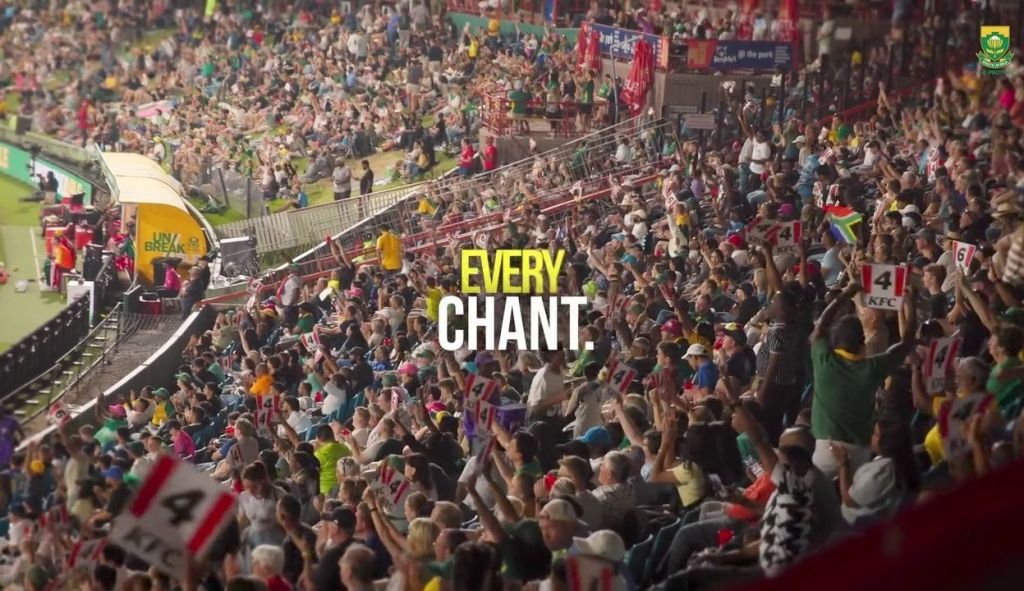
Timing determines whether fan engagement feels authentic or performative. When supporters are called upon early, they have space to respond, create, and organise. When they are called upon at the last moment, the invitation feels symbolic. The difference is not about budget; it is about sequencing. Even modest resources, if deployed early and intentionally, can generate momentum that compounds over time.
South African sport does not lack the raw materials for modern campaign excellence. It has compelling athletes, deeply loyal communities, corporate partners seeking cultural relevance, and a digitally fluent generation eager to participate. What it requires is alignment between tournament calendars and campaign architecture. If the tournament date is known, the storytelling window is known. And if the storytelling window is known, the fan journey should begin well before the opening whistle or the first delivery.
Campaign timing is not always about being first for the sake of visibility. It is about being prepared enough that, by match day, the movement already exists. In contemporary sports marketing, the most powerful campaigns do not begin when the game starts. They begin months earlier, so that when the team steps onto the field, the fans feel as though they have already been walking alongside them.