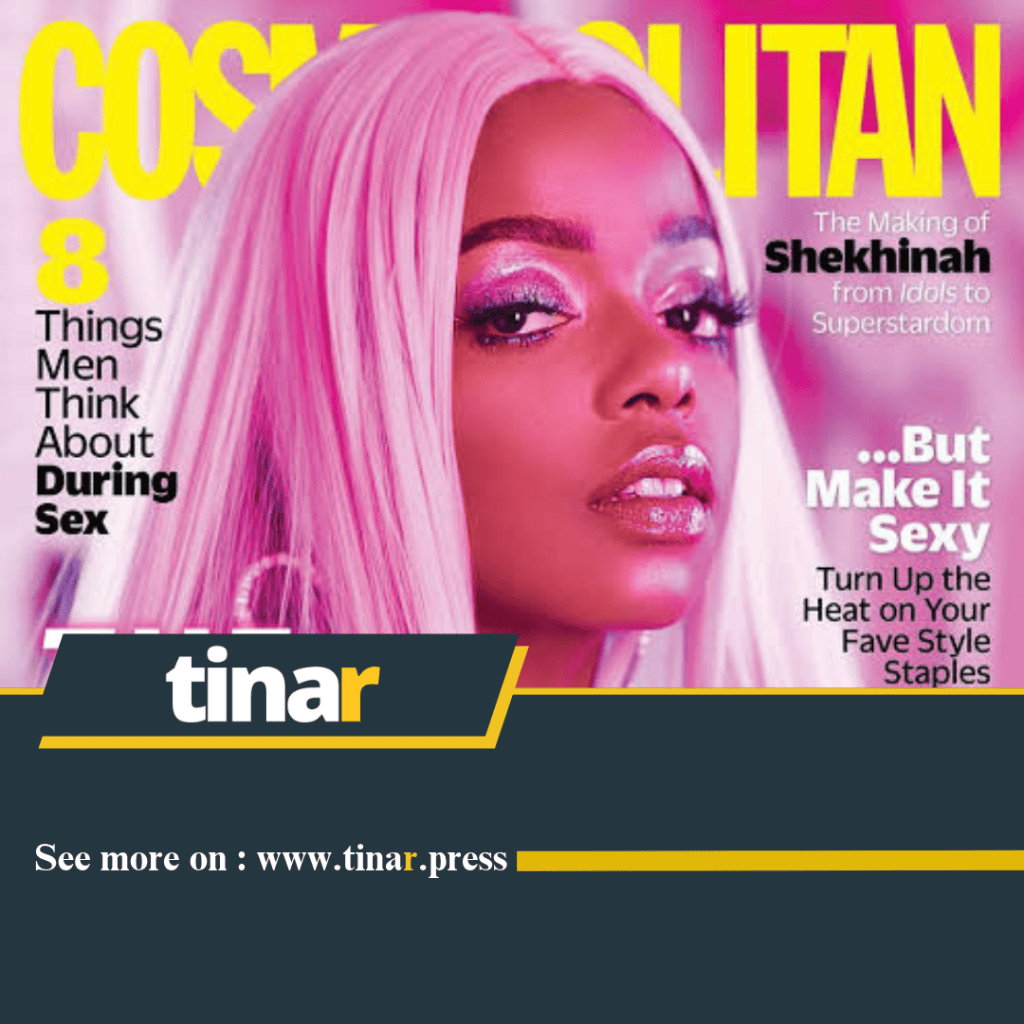
As whispers gain momentum around the return of this magazine, a walk down memory lane is a little necessary today… growing up in a household of readers, a mother with a Readers Digest subscription and an obsession with Daniel Steels novels, there was a time when buying a magazine was an experience in itself, most of my youth was built around books and magazines where some of my sex-education may or may not have come from Cosmopolitan Magazine. When I reached a stage where I could buy my own magazines, anytime I made my way to the local supermarket, bookshop or magazine stand, I picked up a copy, flipped through the pages and often found myself spending the afternoon reading about fashion, relationships, careers, beauty and the many conversations shaping women’s lives. This is surely not a review, but for generations of South African women, Cosmopolitan was part of that experience. First published locally around 1983/4, Cosmopolitan arrived with an international identity and a distinctly local audience to grow into. Its mix of fashion, beauty, relationships, careers and conversations about women’s independence helped establish it as one of the country’s recognisable women’s lifestyle publications. But behind the familiar masthead was a much bigger publishing story, one built around an ambitious woman who would help shape South Africa’s magazine industry.
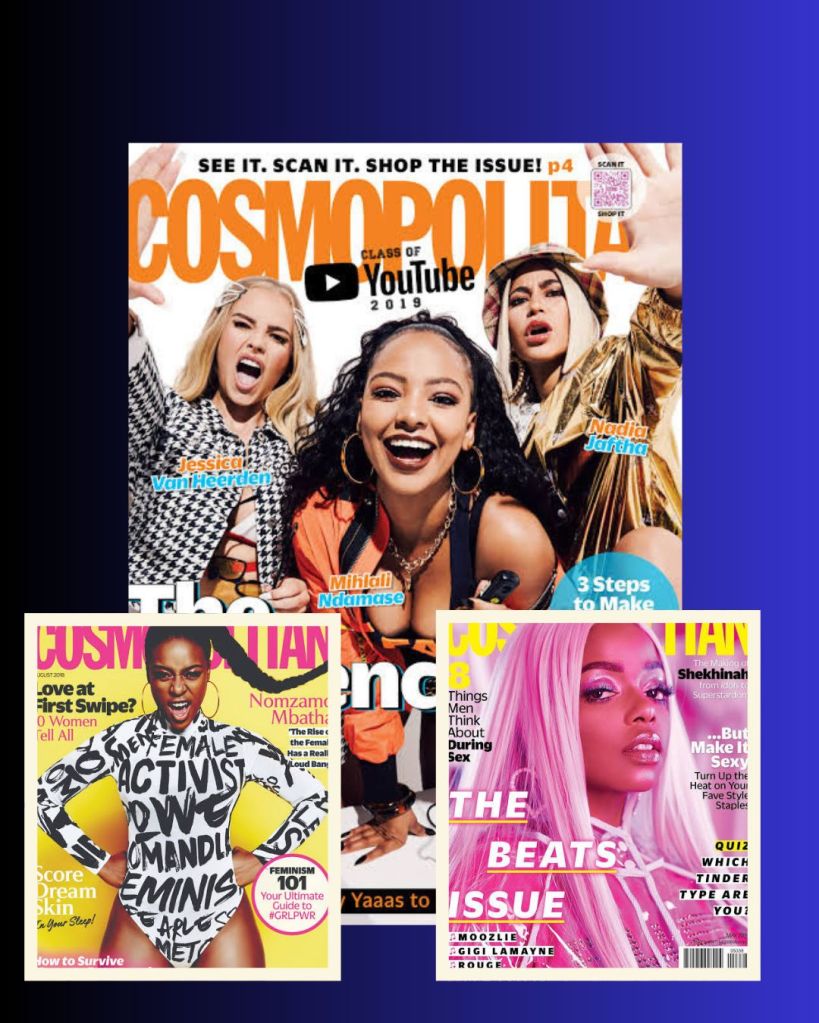
That woman was Jane Raphaely, whose publishing career had already made its mark through Fair Lady, where she spent nearly two decades developing a publication that challenged conventions around women’s media. In 1982, Raphaely and her long-time business partner Volker Kuhnel established Associated Magazines, the publishing business that would later become Associated Media Publishing (AMP). Cosmopolitan had become one of the company’s defining titles, with its South African edition launching in 1984. What followed was the development of a substantial independent publishing house, with Femina joining the portfolio in 1988, followed by titles including House & Leisure, Brides & Homes, and Baby & Me. AMP’s publishing ambitions extended beyond its own original titles, too. In 2002, it secured the rights to publish the South African edition of O, The Oprah Magazine, followed by Marie Claire in 2003, Good Housekeeping and its Afrikaans counterpart, Goeie Huishouding, in 2011. It was a remarkable publishing legacy, built around editorial ambition, commercial partnerships and an understanding that women’s magazines could be influential cultural and business platforms. In my 20’s I recall walking past the AMP building daily, near St Mary’s Primary School in Gardens and affirming that if I ever went into media full-time, that building and what it stood for would be on my Moodboard.
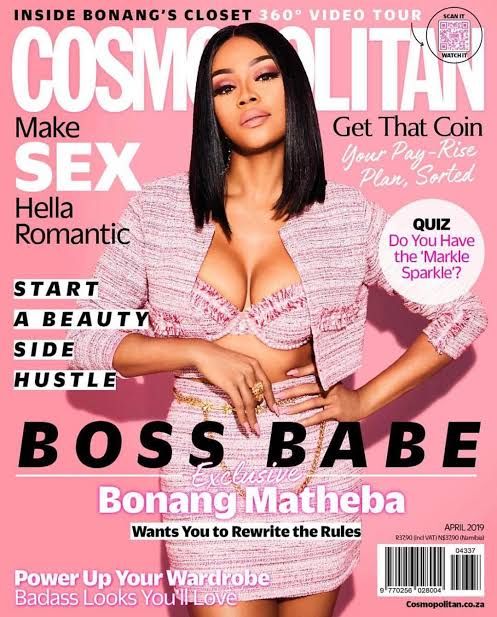
The Raphaely family’s publishing story also became one of succession. Jane’s daughter, Julia Raphaely, joined the business full-time in August 1993, initially working in public relations and corporate development before taking on several roles across the publishing house. She gained experience as associate publisher, publisher of O, The Oprah Magazine, and managing editor of Femina, before taking over the business leadership in 2010. Under Julia’s leadership, AMP continued navigating an industry that was beginning to look very different from the one in which her mother had established the company. The business expanded its digital, mobile, events and brand-activation capabilities, recognising that publishing could no longer depend exclusively on the printed page. Cosmopolitan also developed a digital presence and an audience beyond its traditional magazine readership. At its height, the title had become a familiar fixture in the lives of young women, with its editorial identity and international brand recognition giving it considerable cultural and commercial value. AMP, meanwhile, had grown into one of South Africa’s most prominent independent publishers of women’s media.
Unfortunately, an established publishing legacy does not necessarily guarantee commercial survival. By the time the world entered 2020, the magazine industry was already dealing with declining print circulation, changing consumer habits, the migration of advertising towards digital platforms and the rising costs associated with traditional publishing. Then came COVID-19, and things took a drastic turn. On 30 April 2020, Julia Raphaely announced that Associated Media Publishing would cease trading from 1 May, bringing 38 years of publishing operations to an abrupt end. The company cited the devastating impact of the pandemic, which had disrupted printing and distribution channels, brought advertising expenditure to a near standstill and made it impossible to host events and brand activations for the foreseeable future. These were important revenue streams for the business, and despite substantial personal financial investment, continuing to trade was no longer viable.
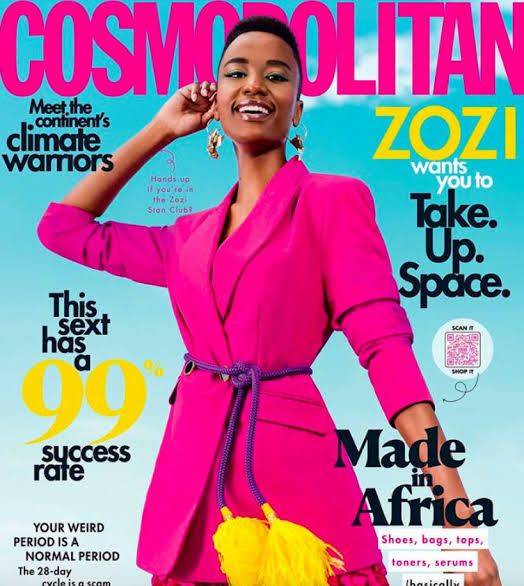
Cosmopolitan, House & Leisure, Good Housekeeping and Women on Wheels were among the publications affected. It was a particularly painful moment for the local media industry, not simply because readers were losing familiar titles, but because journalists, editors, photographers, designers, commercial teams and other publishing professionals were losing an established home for their work. COVID-19 was the immediate catalyst, but it exposed the financial vulnerabilities of a print-dependent publishing model that had already been under pressure.
Six years later, there is reason to revisit that legacy with a little optimism. Early November 2026, Hearst Magazines International and Clipping Point Publishing announced plans to bring Cosmopolitan South Africa back to the market, with a relaunch expected across digital platforms, social media and monthly print editions during February and March 2027. The new publication is expected to combine original South African editorial content with selected stories from Cosmopolitan’s international network, covering fashion, beauty, wellness, careers, relationships and lifestyle. Clipping Point publisher, Avon Middleton has indicated that the relaunch is also intended to create employment and opportunities for local creative and media professionals, while taking a fresh approach to how the brand connects with audiences and generates commercial value. The new editorial leadership is still to be announced.
For a publication with four decades of local history, its return presents an opportunity to honour what came before without being confined by it. The next chapter will need to understand a generation that consumes media differently, expects more from the brands it supports and has access to conversations that once required a magazine subscription. But there is still room for thoughtful, ambitious and distinctly South African women’s publishing. Perhaps the greatest tribute to Jane Raphaely’s legacy is not simply seeing Cosmopolitan back on the shelves, but seeing the publication find a sustainable future, create opportunities for new talent and give another generation of women something worth reading, sharing and remembering.


