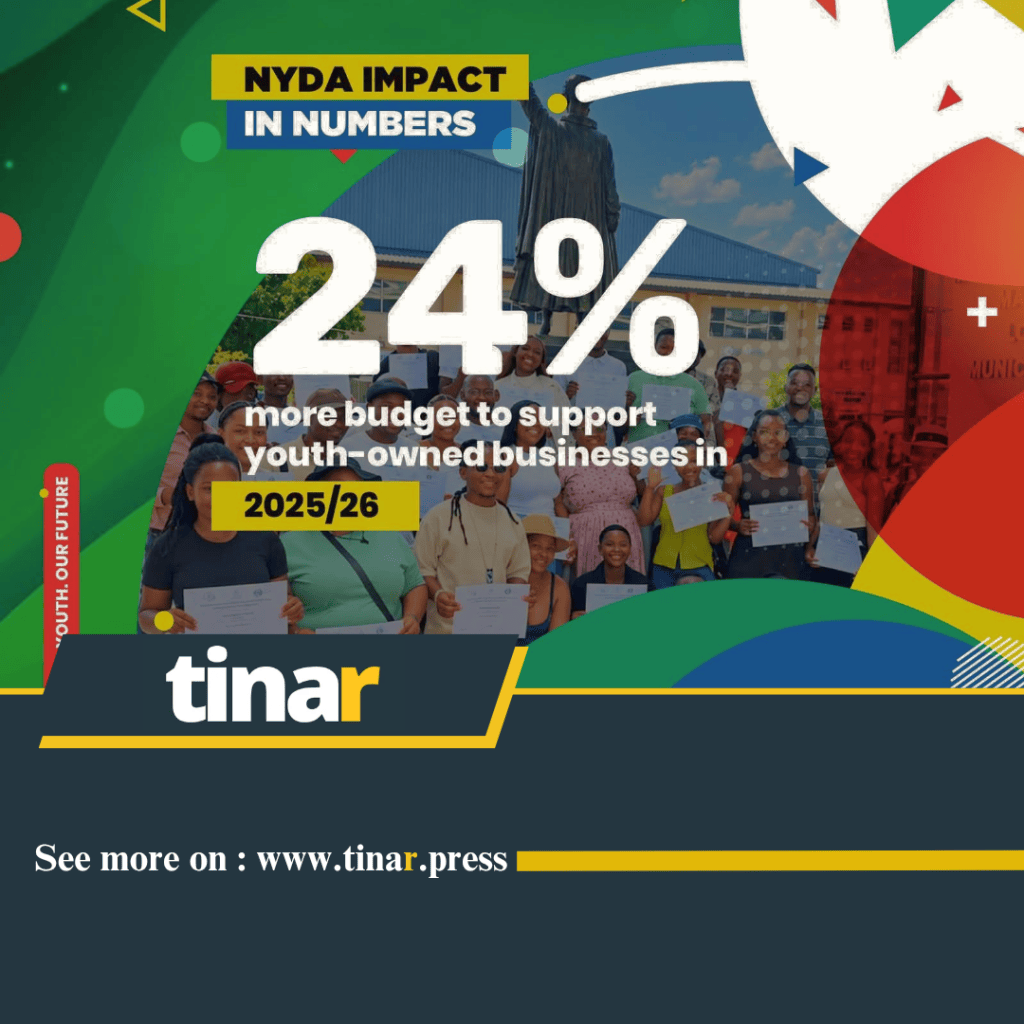
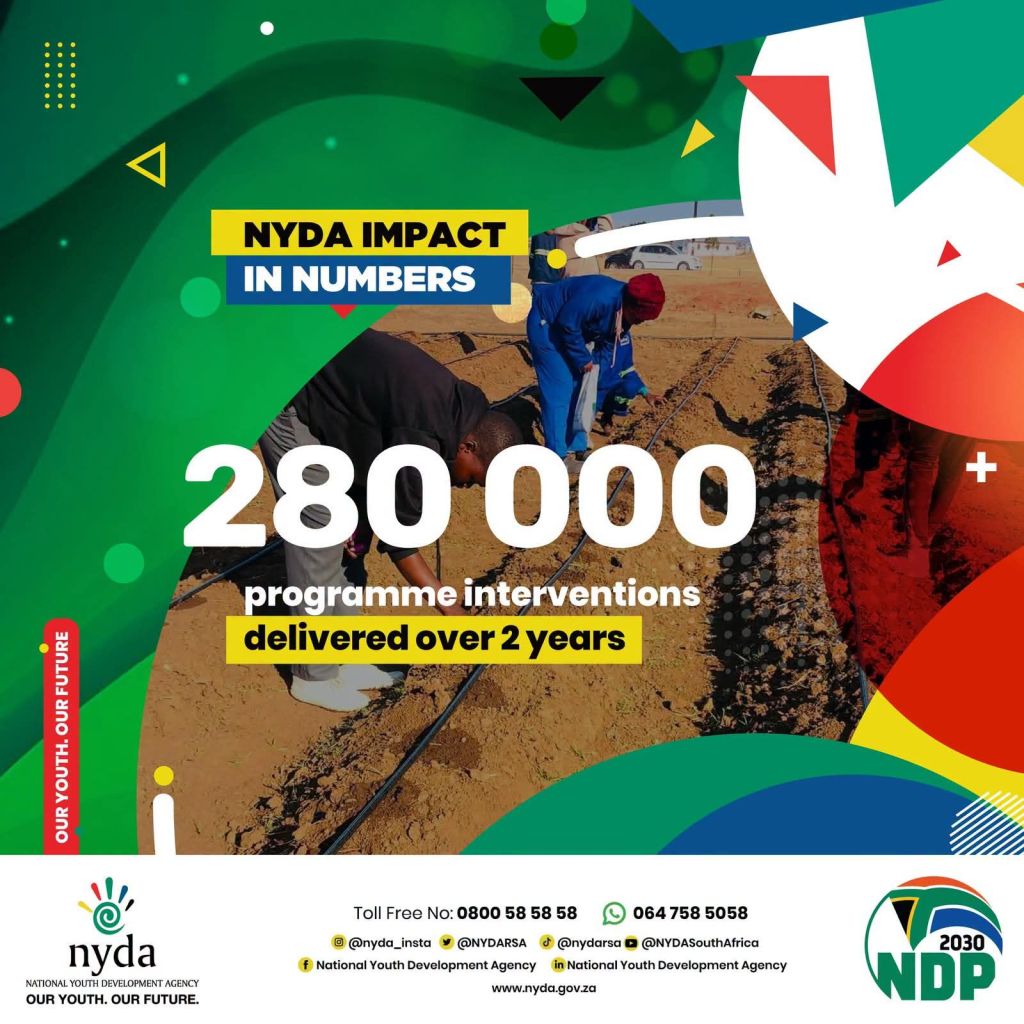
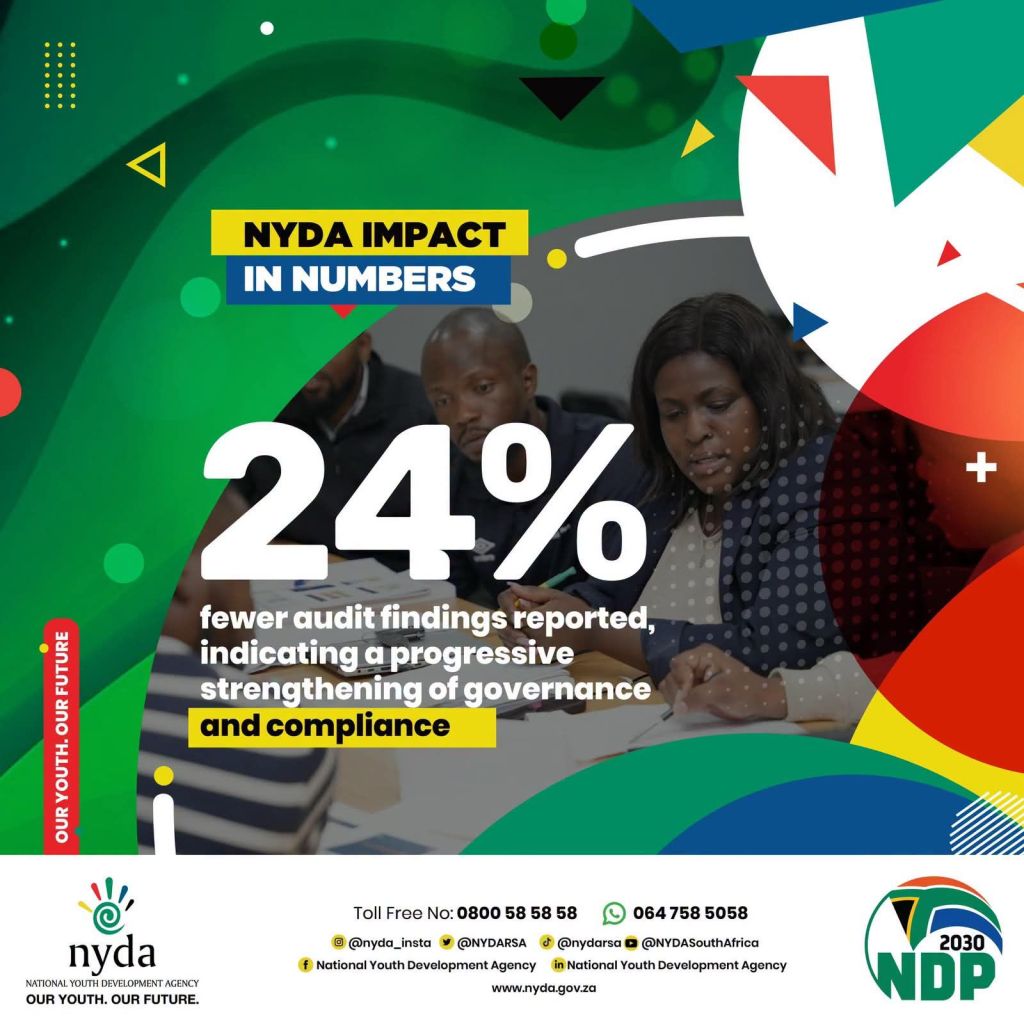
While you were at church, the National Youth Development Agency (NYDA) had taken to social media to highlight a 24% increase in its budget allocation to support youth-owned businesses for the 2025/26 financial year, alongside claims of 280,000 programme interventions delivered over the past two years and a 24% reduction in audit findings. These are encouraging figures on the surface, particularly in a country where young entrepreneurs continue to face barriers to finance, business development support and economic participation. However, what do these numbers tell us about the actual experience of young people trying to access the agency’s support? An institution can announce that it is investing more in young entrepreneurs while young entrepreneurs are struggling to understand how to access that investment. How much of the increased allocation is reaching businesses, how many applications are successfully converted into financial assistance, and how many aspiring entrepreneurs are falling out of the process before they ever receive support?
There is also a discrepancy worth examining between programme interventions and measurable economic outcomes. When the NYDA reports 280,000 interventions, how many represent unique beneficiaries, how many involve financial assistance, and how many translate into businesses that are still operating, employing people and contributing to the economy? Similarly, a reduction in audit findings may demonstrate progress in institutional administration, but does it tell us anything about whether young entrepreneurs experience a more accessible, transparent and efficient funding process? These questions are very important because institutional performance and beneficiary experience are not necessarily the same thing. A programme can meet its reported targets while the people it was designed to assist continue struggling to navigate its requirements.
The questions become more significant when considered alongside the agency’s history of parliamentary scrutiny. On 18 October 2024, Parliament’s Portfolio Committee on Women, Youth and Persons with Disabilities questioned the NYDA’s reported achievement of 100% of its annual targets, raising concerns around internal controls, financial management and performance reporting. The committee also questioned the apparent disconnect between the agency’s institutional presentations and the lived experiences of young people. Around 25 June 2026, Parliament and the Standing Committee on Public Accounts (SCOPA) held a joint meeting with the NYDA concerning allegations involving financial mismanagement, governance failures, irregular procurement, board stability and operational effectiveness. These developments raise an important question: how consistently are the agency’s reported achievements being tested against the experiences of the young people who depend on its programmes?
Now, on 22 November 2026, (the day you went to church) another development adds to this conversation. Business Day reports that the Auditor-General issued the NYDA a qualified audit opinion for the 2025/26 financial year, following and dampening nine consecutive years of “clean audits“. According to the report, the agency could not provide sufficient supporting evidence to account for approximately R780 million in expenditure associated with the Presidential Youth Employment Initiative. While this does not establish that individual business grants were improperly awarded, nor does it prove that applicants with personal or institutional connections received preferential treatment, it does however raise questions about financial oversight, supporting documentation and the agency’s ability to demonstrate that public resources are being accounted for and reaching their intended beneficiaries. How does an institution reassure young entrepreneurs about the fairness of its funding processes when questions about the accountability of its broader expenditure are simultaneously emerging?
For TINAR, this conversation connects three important considerations: public relations versus public accountability, funding accessibility versus funding allocation, and institutional performance versus beneficiary experience. What the NYDA communicates through its social media platforms is one part of the story, what applicants encounter when attempting to access its programmes is another. Having previously explored similar concerns in our October essay, “The Spaza Grant Is Available. But How Accessible Is the Application Process?”, we remain interested in whether the administrative requirements, application procedures and selection criteria attached to government-supported funding are genuinely accessible to the entrepreneurs they are intended to serve. Are unsuccessful applicants given sufficient clarity about why their applications were declined? Can applicants understand how funding decisions are made? Are selection processes transparent enough to withstand public scrutiny and rule out perceptions of preferential access? And does the agency publish enough information for the public to distinguish between money allocated, money approved and money actually disbursed?
The NYDA’s commitment to youth development deserves to be measured by more than social media announcements, percentage increases and programme intervention totals. Young entrepreneurs need institutions that are not only willing to announce opportunities but are also able to demonstrate that those opportunities can be accessed fairly, that funding decisions are transparent and that public money produces meaningful economic participation. Perhaps the most useful question for the agency is not simply how much more it is investing in young entrepreneurs, but how it can demonstrate who is benefiting from that investment, how they were selected and what has changed for their businesses as a result. If the numbers tell a story of impact, can the young people those numbers represent recognise themselves in that story?

When Johannesburg Mayor Dada Morero urged Soweto’s spaza shop owners to access government funding, the conversation centred on a disappointing number of businesses accessing the available support. According to TimesLIVE’s 9 October report, just over 150 spaza shops had been approved as compliant, while approximately 40 had accessed funding. The mayor’s appeal raises an important […]
The Spaza Grant Is Available. But How Accessible Is the Application Process?


