I dont think we often talk about the power of legacy building through entrepreneurship, as often as we talk about entrepreneurship as a solution to job creation or as an alternative to the job market.
We dont talk about entrepreneurship as an alternative to serving a purpose or as the pinnicle of building community. These are my thaughts around entrepreneurship so I often spend a lot of time in the past because I find the present and future a little bleek when it comes to certain topics that have the potential to be life altering. The way I see entrepreneurship being marketed in South Africa often feels nuanced with sinister undertones, the same way we have managed to turn the word “transformation” into a bad word around equality talks and shifting to “diversity” as the new buzz word. I definitely think the lifespan of “diversity” as a buzzword for equality will be shorter, but that’s just my opinion on that, and I hope to be proven wrong.
While we subconsciously battle with buzz words, entrepreneurship in South Africa has a legacy thats often expended on through university case studies, meaning, very few people get “experience” the depth and history of entrepreneurship but get the surface level promotion as end users of a product or service rooted in the cloth of the countries economy and lifestyle evolution. As a means to touch base into the abyss about the “rich” history of the countries entrepreneurship dynamics, I’m setting out to educate myself and reintroduce or refresh myself this heritage month with a short series of blogs about South African companies with entrepreneurship legacies that are unmatched.
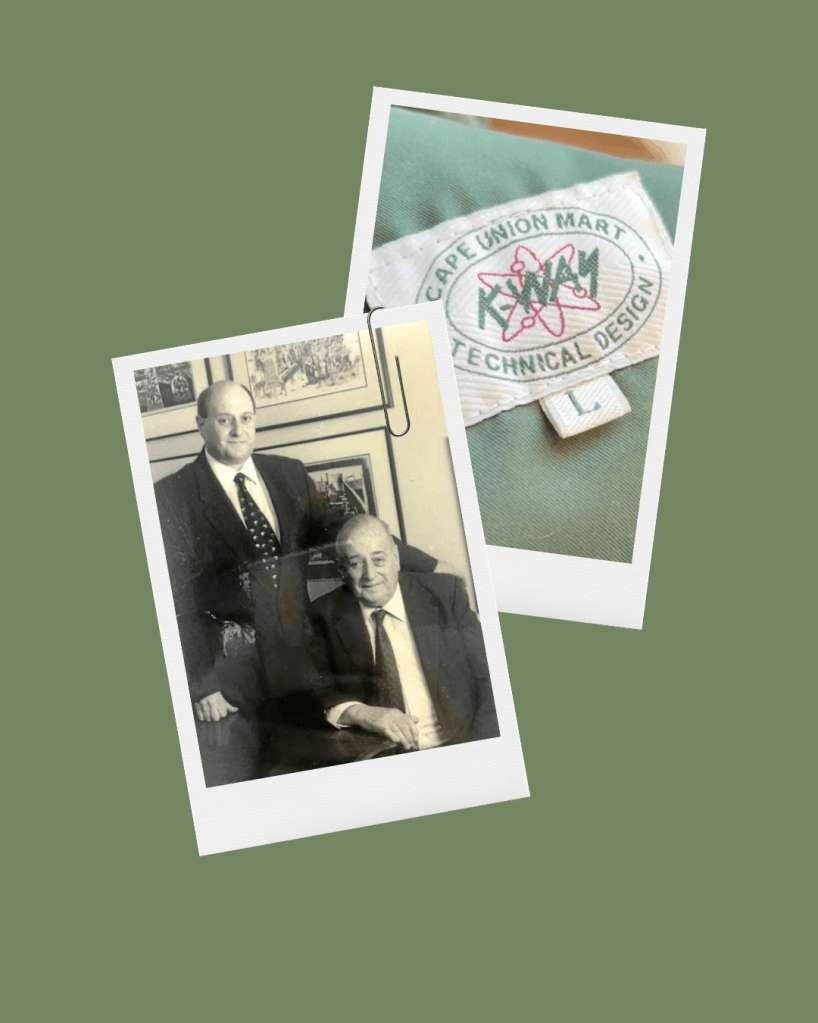
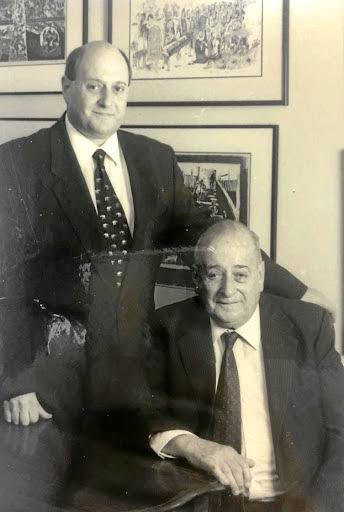
We start this series with Cape Union Mart, founded by Philip Krawitz, a Lithuanian immigrant who opened the store to provide durable goods for customers looking for quality outdoor gear and equipment. While parts of history say the company began as an army surplus store on the corner of Corporation and Mostert Street in Cape Town around 1933, one now knows that over the decades, Cape Union Mart has become a leading retailer in South Africa, specializing in outdoor and adventure gear, with a reputation for quality products and excellent customer service.
The most famous Cape Union Mart store situated on the outside of the V&A shopping centre has been a tourist attraction of note as a not only a destination store but the store where my marketing related interests in Cape Union Mart began. As an enthusiast around marketing models, imagine my excitement when history depics stories of how Philip would row his little boat to Waterfront harbour when passenger ships docked in the port so that he could distribute his self made maps, that lead travelers to Cape Union Mart, row back to his store and wait for their patronage. The labour of marketing strategies that are impacful is often misrepresented with ideals of glamour and glits, true marketing is grunt work, the end result of that gruntwork in this case is Philip Krawitz, waiting in his store for potential customers who may have seen his “flyers” / Maps a few hours before.

Philip Krawitz built Cape Union Mart’s popularity through a combination of strategic choices and a deep understanding of his customers’ needs. That’s community if ever you ask. The top 5 points of his success are rooted in the foundational fundamentals such as :
1. Quality Products: The man was famous for offering durable, reliable, high-quality goods. A nod to that army surplus notion.
2. Customer Service: Another nod to the community. Krawitz believed in providing excellent customer service, treating customers like family, which helped build strong, long-term relationships.
3. Location and Timing: 1933 was around the Great Depression, Krawitz recognized the need for affordable, durable goods, he tapped into a market of people looking for value during tough economic times and this cemented further reputational security.
4. Innovation and Adaptation: I stress adaptation at every opportunity, often to my own detriment, but this was also a pillar of Cape Union Mart’s success. Philip adapted to changing market demands. He expanded the product range beyond military surplus to include outdoor and adventure gear, clothing, and equipment. This ability to innovate and diversify kept the store relevant as consumer needs evolved.
5. Marketing and Branding: Those little maps… to draw customers to this destination store, Krawitz printed out small maps of Cape Town. On the maps, he highlighted the Post Office, Railway Station, and his store situated on Corporation Street in #CapeTown, Krawitz effectively marketed Cape Union Mart as the go-to destination for outdoor enthusiasts. Positioning the store as a specialist in adventure gear attracted a niche market that valued expertise and high-quality products.
Expanding the Brand also holds a special place in the foundation. Over the years, Cape Union Mart expanded its footprint by opening more stores across South Africa. This physical presence in various regions helped increase brand recognition and accessibility. Today, Cape Union Mart has 330 stores around South Africa as well as stores in Namibia and Botswana.
Philip Krawitz was an entrepreneur, one who’s unintended contribution to 2024 lifestyle trends is unmatched, the influence Cape Union Mart has in our buying culture, his strategies collectively helped Philip Krawitz build Cape Union Mart into a popular and trusted brand in South Africa.