Every few years, South Africa’s fashion and textile sector is declared to be “in revival.” We see new master plans, public-private partnerships, funding announcements, and trade events that appear to spotlight growth. And yet, year after year, the underlying issues remain unchanged, and in many ways, they’ve worsened.
If you’ve been following the industry closely (or working in it), the optimism feels familiar… and increasingly hollow.
A Turnaround We’ve Been Promised Before
In 2011, when I started writing about this industry, similar language dominated the headlines from prominent media outlets: the industry was said to be on the edge of recovery and regeneration. With fashion weeks taking place in Cape Town and Johannesburg, an active Cape Town Fashion Council and media platforms dedicated to amplifying local designers and manufacturers. Yet more than a decade later, despite new initiatives, exhibitions, and policy plans, the same foundational challenges persist, if not deepened. What we’re being told is a “turn-around” may very much be better described as repackaged stagnation.
China’s Growing Shadow Over SA’s Fashion Economy
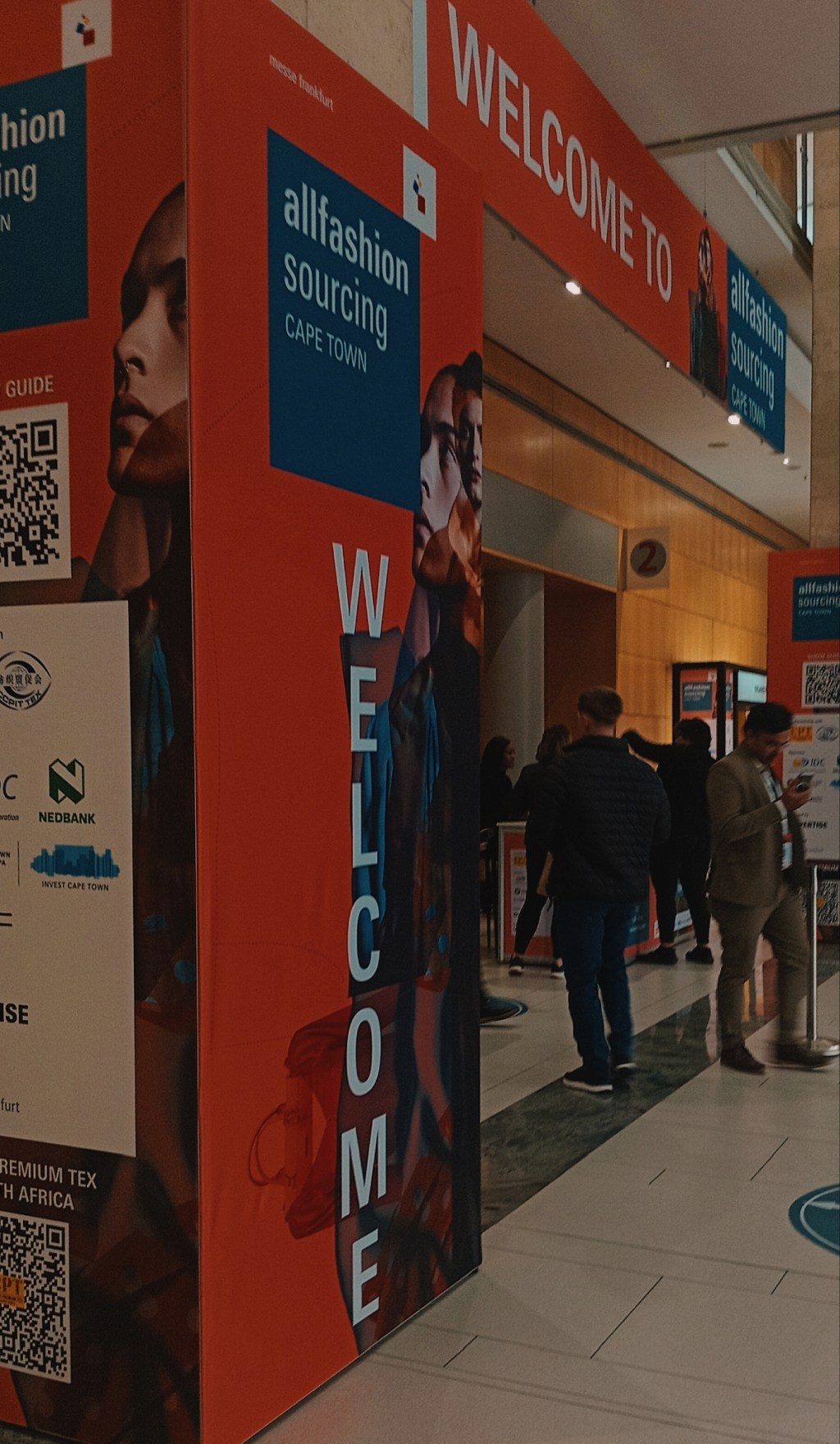
I read an informative Daily Maverick article that painted a curious picture of AllFashion Sourcing Cape Town 2025 as one of the country’s largest industry showcases. It observed the following, supported by stats:
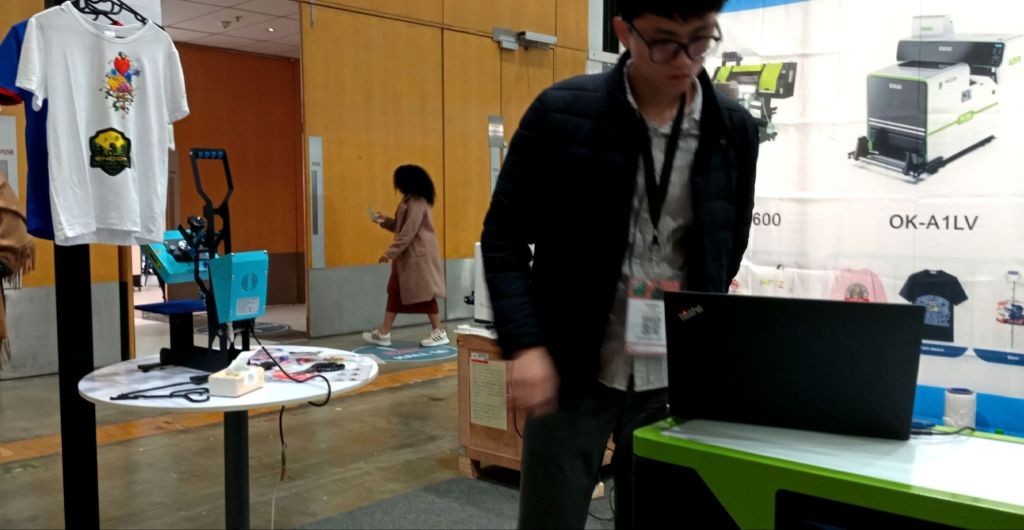
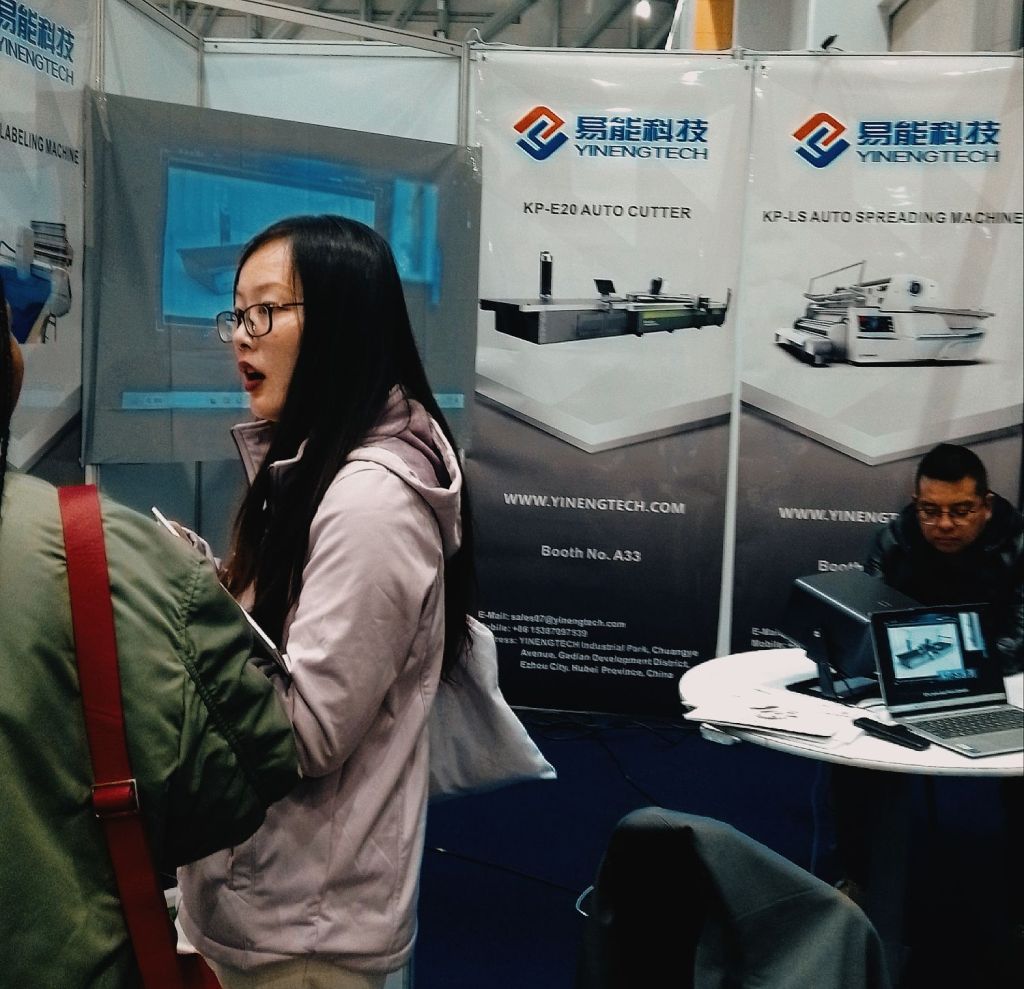
“One couldn’t help but notice a skewed balance, tilting decidedly east. Of the 142 exhibitors listed on its website, 71 are Chinese companies. From fabric suppliers to accessory makers, China’s footprint was everywhere, reinforced by the presence of Chinese diplomats and state-linked industry delegations.”
Let that sink in. Half of the exhibitors at a trade show intended to boost the local textile and fashion economy were from China.
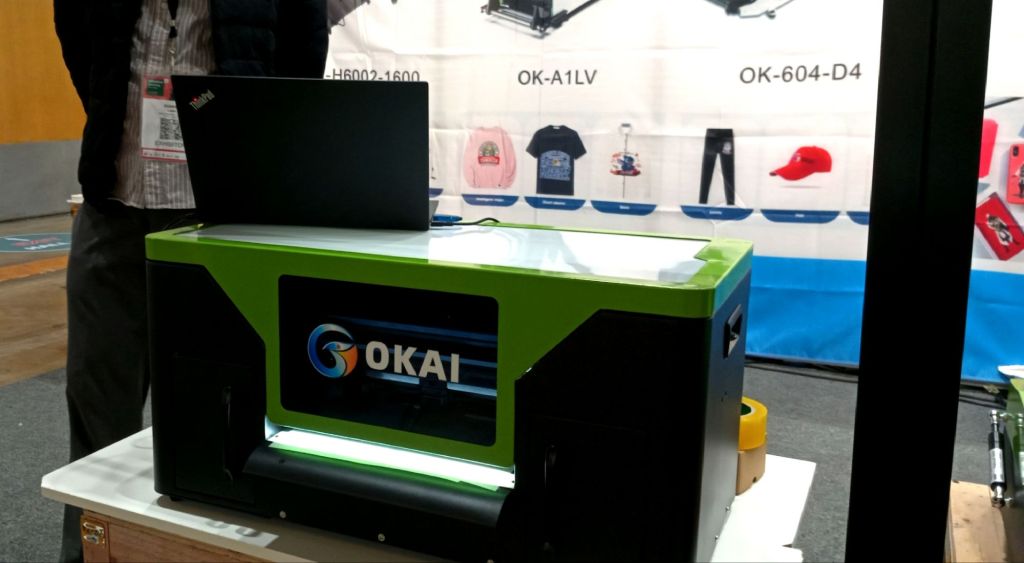
Many of the foreign exhibitors are not actively engaging with local buyers or in knowledge transfer. Instead, they dominate the exhibition space, often appearing indifferent to the needs of South African attendees, some even unwilling to discuss machinery or product detail unless you’re a guaranteed large-scale buyer.
This isn’t collaboration. It’s consumption, where South Africa becomes the passive importers, and China retains control over production, pricing, and innovation.
The Rise of Imported Retail has become the fall of local traders. This pattern continues beyond exhibitions. Across the country, Chinese-owned fast-fashion outlets are multiplying in malls and inner-city retail zones. These stores directly import stock, leaving little room for local design, production, or tailoring.
This is not market development. It’s displacement, pushing out local designers, SMMEs, and young creatives who are already operating on the margins.
Despite headlines celebrating job creation and “master plans,” the numbers tell a different story:
The Centre for Development and Enterprise (CDE) reports a massive loss in manufacturing jobs and competitiveness over the last 15 years.
Bargaining councils and high entry-level wages, while essential to worker protections, have unintentionally made South African factories uncompetitive.
We have a total of 3 Chinatown Malls in Cape Town. All three are part of the same chain (China Town Cape Town), offering fashion goods, affordable homeware, beauty products, toys, car parts, stationery, party supplies, and electronics. Ran by the China Town Trust, and collectively house over 160 shops across the three venues.
We have lifestyle brands like MINISO : Founded in China (2013) and offers fashion accessories (bags, scarves, jewelry) alongside homeware and cosmetics. With outlets in shopping centres like Canal Walk and the Cape Gate. Followed by Giordano, a Hong Kong-based apparel brand that’s expanded into South Africa since 2019. With physical stores in major malls such as Cape Gate, Canal Walk, offering casual wear and athleisure for men, women, and kids.
Other Asian‑Owned fashion clusters are around the Golden Acre (CBD) and Parow Station. There are clusters of small, foreign‑owned fashion shops, many run by Chinese or other Asian nationals, selling low‑cost apparel and accessories.
You’ll also spot similar retailers in inner-city districts like Salt River (which is historically the fashion/textiles zone).
The Wiley study (2010) noted that trade liberalisation without domestic reform leads to hollowed-out industries, and that’s exactly what we’re seeing.
If we keep saying the fashion and textile sector is recovering, while simultaneously:
- Importing more than ever,
- Losing control of our retail landscape,
- Undermining small manufacturers, and
- Stalling on real industrial reform
then we are not just misleading the public, we’re weakening one of the few industries that could empower youth, women, and creative entrepreneurs on a meaningful scale.
What a Real Turnaround Would Look Like & let’s be very clear on how a real revival of the South African fashion economy would look like:
- Local exhibitions filled predominantly with Southern African producers and innovators, not foreign exporters.
- Public investment in fashion hubs, design schools, and machinery access for Cape-Flats & township-based creators.
- Labour reform that supports both workers and employers, particularly in rural and peri-urban areas.
- Serious action on customs enforcement and the illicit economy, which continues to hurt compliant local businesses.
- A conscious cultural shift that values local fashion not only in rhetoric, but in procurement, partnerships, and policy.
Dare I say this with the urgency of someone tired of the recycled, pacifying language used to mask the realities of the textile and garment sector: we must stop pretending that South Africa’s clothing and textile industry is bouncing back when, in truth, we are still losing ground. This is not just about jobs, it’s about ownership, creativity, and our sovereignty over how we clothe ourselves and how we build economic dignity.
It’s time to move beyond comforting narratives and face the truth of what’s really happening. Only then can we begin the real work of rebuilding, of turning around South Africa’s textile and manufacturing sectors and restoring a truly functional ecosystem.


