
This is not a review, but if it was, I would start off by saying, “Khaya Dlanga is at it again…”
In the many media lives I’ve lived since 2009, you’d think South Africa’s billionaires were celestial beings sent down to sprinkle blessings on us mere mortals the way Khaya Dlanga writes or applauds them. His latest ode? A post calling Jannie Mouton’s R7.2 billion buyout of Curro Holdings prospect : “the single largest and most generous philanthropic act in South Africa’s history.”
I scoffed after reading that. The man really said : History. The entire history?
And listen, I get it. On paper, converting the country’s biggest listed private school operator into a nonprofit sounds bold. Curro’s profits, instead of going to shareholders, will be “reinvested” into bursaries, rural expansion, and teacher training. It’s the kind of headline that begs to be dressed in superlatives.
But here’s where I roll my eyes: Khaya has this unshakable habit of reaching for billionaire halos instead of holding a magnifying glass. In this case, I wish to press onto one small factor : A Buyout is Not a Miracle.
So let’s unpack it a little, and start with the obvious: this is a corporate restructuring deal on offer, not a miracle. Shareholders are getting a fat 60% premium for their trouble. Jannie Mouton isn’t handing out lunch boxes at school gates, he is buying out a company that’s probably struggling and changing its legal structure. We can definitely call it bold, call it interesting, call it many things, but let’s not confuse him with St. Francis of Assisi in a pinstripe suit.
And while we’re talking about this, “largest act of generosity in history,” maybe let’s remember the work of the Allan Gray Foundation, the Motsepe Foundation, or even decades of the Oppenheimer education trusts. This kind of hyperbole from Khaya erases a whole lineage of large-scale giving in this country, most of which wasn’t dressed up in stock-market drama.
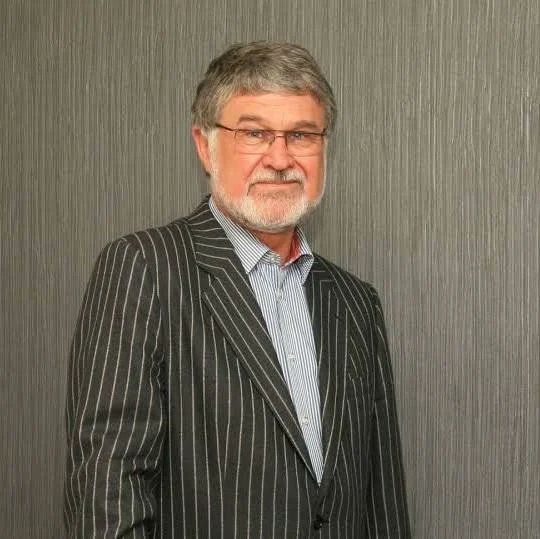
And while I did say this is not a review, let’s unpack that tweet a little more, Khaya leans hard into the “Great Man” fantasy: Jannie planting an entire forest “for generations to come.” It’s poetic, sure. But education in this country is not rescued by one benevolent billionaire. It’s held up daily by underpaid teachers, exhausted principals, student volunteers, present parents, and learners hustling against all odds.
To pretend otherwise is lazy storytelling. And Khaya Dlanga does this often: elevating the wealthy into near-messianic figures, as if systemic issues can be solved with one well-timed act of personal generosity. It’s excruciating to see because it flatters power instead of interrogating it.
Now, to drag it even more around his lazy storytelling skills peaking through that glorification post, access is in the details with this Curro deal. The shiny promise here is bursaries for “thousands” of underprivileged children. Thousands sounds good, until you remember Curro already has 76,000+ learners. What percentage are we talking? Will these bursaries cover transport, uniforms, devices, or will it just be the school fees?
And the rural expansion conversation? Fantastic in theory, but are we talking about genuine deep rural schools, or just planting a Curro-lite in a peri-urban town and calling it a day? Without details, “thousands” and “rural” are just PR bait to push the buzz for people like Khaya to bite.
Here’s the catch, since we’ve gone fishing: Curro isn’t a government school, the government may have oversight on certain matters but it’s very much a private institution, so while Khaya nods politely to the idea that it’s “a blessing and a pity” that one man has to step in where government fails. For a government school narrative, that’s the point that needs more than a polite nod. Because when billionaires become our nations plan B for education, it quietly normalises the state’s abdication of responsibility. We start to act like constitutional rights are favours, handed down by the rich, instead of obligations that the state is failing to deliver.
And that’s not breathtaking. That’s daunting.

Billionaires Don’t Need Praise Choirs, Khaya and Co!
Here’s what bothers me most: I am off the belief that billionaires don’t need PR cheerleaders. They have investment bankers, communications firms, and legacy projects for that. What they do need, and what we all need, is public commentary that asks the hard questions: Who governs this nonprofit? How transparent will it be? What happens to access? Does this shift actually change the dual education system, or just polish the Curro brand with a nonprofit halo?
Instead, Khaya reaches for the incense, chanting about generosity, planting forests, and selflessness. It’s all vibes, no interrogation. Uyathanda uku thandaza amadoda abelungu uKhaya.
None of this is to deny that the buyout could have positive effects.
If this deal works, it could matter. Learners could get bursaries, new schools could be built, teachers could get better training. That would be great. But let’s stop pretending this is the greatest act in our history. Let’s stop confusing legacy management with sainthood. And for heaven’s sake, let’s stop pandering to billionaires like they’re doing us personal favours for existing.
South Africa doesn’t need more fawning tributes to the rich. It needs honest analysis, accountability, and a recognition that education is a constitutional right, not a gift bestowed by the benevolence of billionaires. Mouton may have planted a tree, or even a forest, but unless the soil of public education is tended, the vast majority of learners will still be left standing in the shade of inequality.


