
This is not a review, but if it were to be one, it would be a reluctantly filtered and reserved critique towards Cricket South Africa’s handling of a situation that needed a kinder touch. So in as much as this piece has been rewritten over the weeks just to trim off the sharp edges, I invite you, the reader to walk with me as I share an opinion or two around a conversation that has many legs and feel confident that it should be ongoing.
It’s unfortunate that this conversation currently has a face and starts in 2023, when Dane van Niekerk announced her retirement, which didn’t land as a graceful bowing-out but an exit steeped in frustration. Dané’s growth in the game shows an enviable pedigree, I would like to say her reputation on the field holds its own, but after injuries, much like most players in cricket, the body takes a toll, and in her case, recovery back into the required form and fitness level clearly was a challenging path.
The infamous fitness-test saga, how CSA handled it, and how the media ran with it amplified a brand of “chirping” that’s far more sinister. Getting cast aside from a home World Cup squad over 18 seconds on a stopwatch would send any player of that type of commitment into an insatiable frustration. The decision said less about her skill or legacy and more about Cricket South Africa’s rigidity.
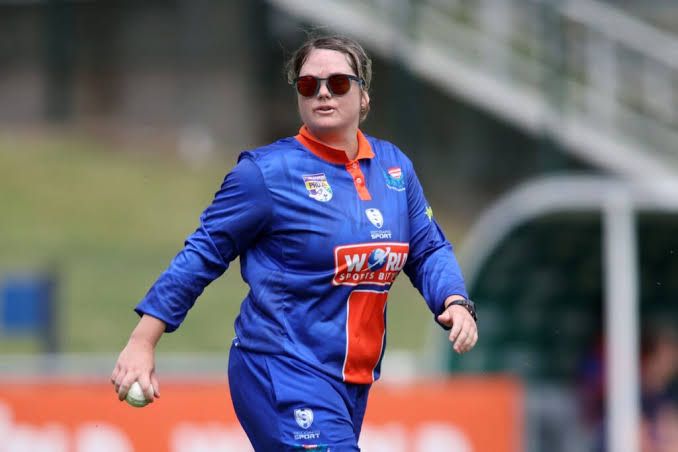
Fast forward to 2025, and Dane is back, “revoking” her retirement, opening herself to selection again. But what struck me most was not her return; it was her apology. She said: “I sincerely apologise to Cricket South Africa and the cricket family for how I handled my retirement.”
On paper, this looks like humility. In reality, it reads like institutional coercion. CSA may not have issued an explicit demand, but organisations like it wield silent power. Advisers, selectors, or colleagues may have passively encouraged Dane to “show remorse,” painting it as the only pathway back into the fold. The result? CSA sidesteps accountability while the player carries the weight of reconciliation.
This dynamic is not unique to cricket. It is how powerful institutions manage their reputations: shift the narrative, sanitise the story, and reframe the individual as the one who erred. In Dane’s case, it’s especially stark, because her departure was not a betrayal of South African cricket but a direct product of CSA’s own inflexible rules and a reflection on CSA’s inability to create avenues for players to communicate and engage the organisation with sensetive matters that may impact a players, physical health, mental health, emotional health and productivity.
Beyond the institution, such sagas ripple into personal lives, too. Retirement decisions affect teammates, family, and even intimate relationships. When a player is made to feel like they’ve “let the country down,” those closest to them often carry that same emotional burden. Dane’s apology may read as an individual act, but the pressure behind it is communal, and I dont mind being wrong about this assertion, but it touches her household, her friendships, and her place in the cricketing community. The apology landed like a humilation ritual, and the heavyweight of it won’t be felt at surface level observation.
I can not claim to be a fan of Dané Van Niekerk, but I am well aware of her playing credentials, she plays for what she believes is her country, her dedication to the sport and the visible eagerness she naturally falls into on the field and through the respect I have for those credentials and her dedication, I stand with Dané because her apology feels less like contrition and more like survival, a necessary performance in order to return to the game she loves. Cricket South Africa may see this as closure, but really, it exposes the quiet ways institutions play at humbling people and demand loyalty while rarely offering fairness in return.


