This is not a review, but perhaps a profile around the founding of Score the energy drink in light of its new campaign. South Africa is home to global brands that dominate shelf space and consumer attention, and in the beverage sector, few local beverages have managed to carve out a voice as distinct as Score Energy Drink, among others. Behind the brand’s unapologetically bold presence with its red-and-black cans to its pulse in township sports, Cape Flats trends and nightlife, sits a lesser-known figure: Grant Hobbs, founding CEO of Chill Beverages, the Stellenbosch-based company that built Score from concept to cult classic.
When Hobbs helped establish Chill Beverages in the early 2000s, South Africa’s energy drink landscape was still in its infancy. Red Bull had the global clout, but local competitors lacked the cultural fluency to speak directly to the black and township consumer market. Hobbs and his team saw the opportunity not just to create another high-caffeine contender, but to craft a brand identity that reflected South Africa’s own rhythm, loud, local, and confident. To say the drink is laced with Kasi flavour would be an understatement.
Score Energy Drink quickly became that expression. Marketed in township communities, car-spinning events, and grassroots football tournaments, the drink embedded itself in the everyday pulse of black consumer life, something few brands in its category managed to do authentically.
Under Hobbs’s leadership, Chill Beverages grew into one of the most dynamic independent beverage manufacturers in the country, producing a portfolio that included Fitch & Leedes, Bashew’s, and private-label products for other companies. By 2017, the success caught the eye of Long4Life, the investment group led by serial entrepreneur Brian Joffe, which acquired Chill Beverages in a deal that marked one of the most notable private-sector plays in the FMCG space that year.
At the time, Hobbs reflected that Chill had invested over R100 million in expanding its operations, a testament to its transformation from small-batch producer to large-scale manufacturer with national reach. The acquisition was pitched as a growth accelerator, allowing Chill’s brands to compete on a stronger commercial footing.
Hobbs would eventually step down as CEO in 2020, after nearly two decades of building what was arguably one of South Africa’s most robust independent beverage operations. His exit coincided with a period of restructuring under Long4Life, but the legacy he left behind remains visible every time a Score can cracks open in a shebeen, stadium, or spaza fridge.
In the end, Grant Hobbs’s legacy is about business expansion and about showing that local manufacturing and cultural intelligence can build brands that genuinely resonate with South Africans. Score’s ongoing presence in the township economy stands as proof that success in the beverage sector doesn’t have to mimic global formulas; sometimes, it just needs to listen to the streets.
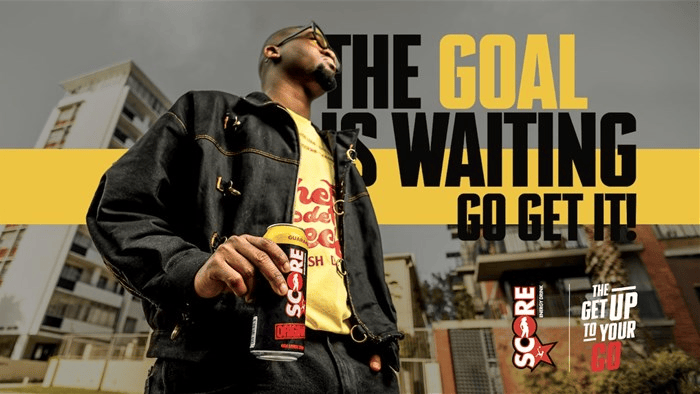
Marketed mostly toward young, active consumers, especially within the sports, nightlife, and township lifestyle markets. They’ve often positioned themselves around local culture, with sponsorships in music, car spinning, and community sports looking beyond the traditional energy drink audiences like gym-goers or gamers. This month, the energy drink launched the “Get Up To Your Go!” campaign aimed at the celebration of South African grit, ambition and the unwavering belief that hard work deserves recognition.