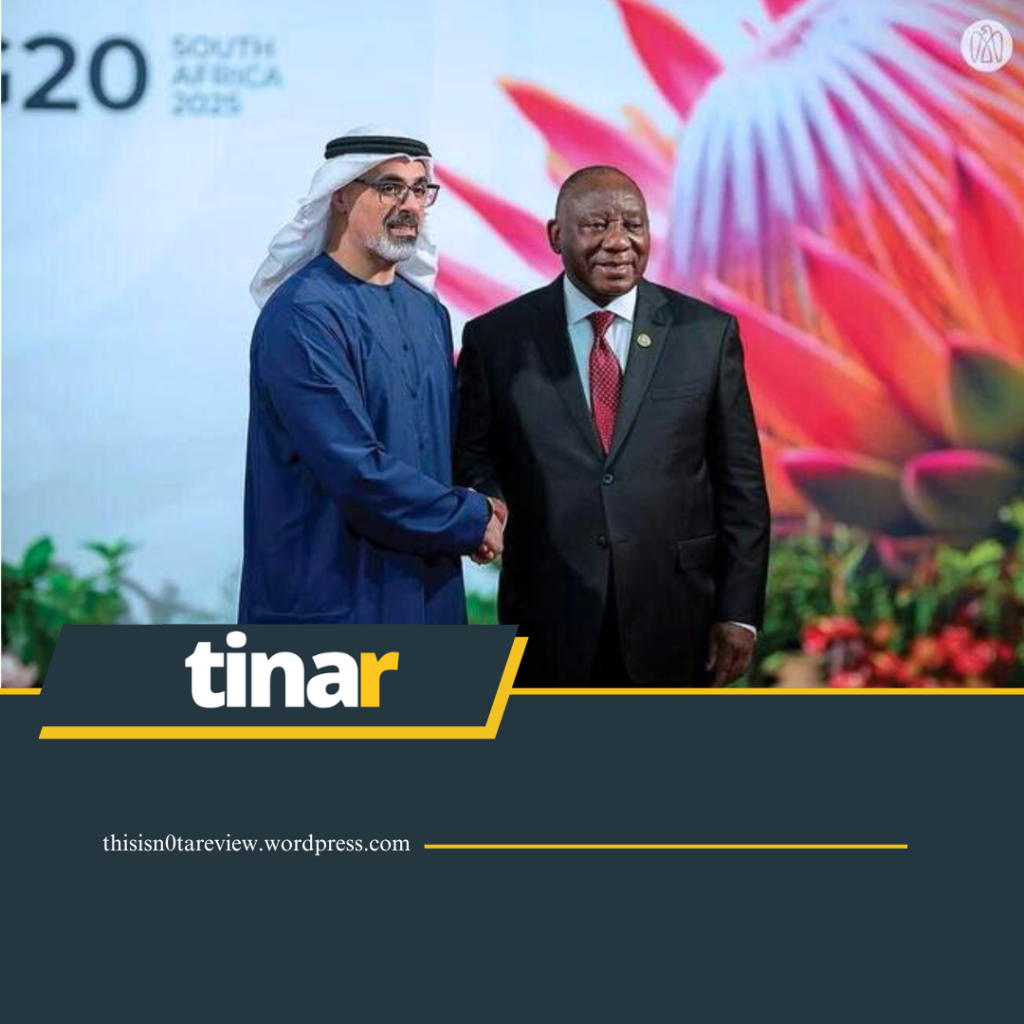
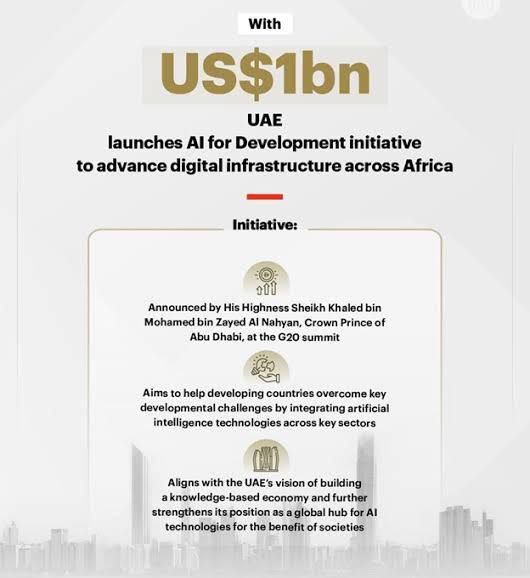
The UAE’s US-$1-billion “AI for Development” initiative lands in Africa at a time when South Africa is no longer just a market, it’s a strategic node in the global AI and tech landscape. From satellite internet debates (Starlink) to infrastructure financing, the country sits at the intersection of policy, data, capital, and geopolitics.
While the ongoing Starlink drama often dominates headlines, it’s not the story here. It’s the signal: foreign tech ambitions are not neutral. They collide with local regulation, ownership rules, and political history, exposing how infrastructure, data, and influence are inseparable.
Against this backdrop, the UAE’s move, framed in development language and blended finance, is another door into the same power room. Where some global players push market access through disruption or public pressure, others arrive through diplomacy and development narratives. Both are seeking influence; the difference is the doorway.
For South Africa, this moment demands more than political opinion. It demands commercial literacy. Understanding politics alone does not build business acumen. But understanding how politics, regulation, and capital flows are entangled in business development is essential for entrepreneurs, founders, and investors navigating the AI era.
The questions to watch are simple, yet rarely discussed:
- Who funds the infrastructure?
- Who owns the platforms?
- Who controls the data?
- Who captures long-term value?
South Africa is no longer just being developed, it is being bid for. And that reality deserves scrutiny, strategic awareness, and public participation. Entrepreneurs who fail to map these power dynamics risk building businesses in a landscape shaped by unseen influences. Those who understand them gain a compass for navigating growth, regulation, and opportunity. In the era of AI and global digital expansion, power moves quietly, but observant eyes see the game.
The initiative will fund AI-driven projects in education, agriculture, public services and infrastructure, blending finance, technology and partnerships. It will be implemented through the Abu Dhabi Exports Office (ADEX) and the UAE Foreign Aid Agency, reinforcing the UAE’s ambition to position itself as a global AI and development partner, not just a donor. This is all framed as inclusive growth and digital transformation, the move does inevitably strengthen the UAE’s role as a geopolitical and technological power broker in Africa, where digital infrastructure gaps remain wide and influence is increasingly contested.
I’ll always stand at the forefront of questioning to understand and till I find resolve because, the big question for South Africa, and the continent, shouldn’t be whether AI funding is welcome, but should be about who controls the infrastructure, the data, and the long-term value created when development is driven through foreign capital and technology platforms.
These combinations make SA irresistible to global tech power players, whether they arrive as:
- Connectivity providers (👀 Starlink),
- AI infrastructure financiers (UAE),
- Broadcasters and Media (Canal+)
- Cloud, compute, or data players,
or “development partners” with glossy language and long-term leverage.
We need to be attentive of how all these moves connect. The UAE’s US$1-billion AI initiative doesn’t exist in a vacuum. It lands inside an already crowded arena where global actors are quietly and sometimes loudly, positioning themselves for influence in South Africa, a country with a history that still to this day randers it prime location for passive disruption and financial gain.
What we’re actually arguing for at TINAR is for the following :
- Entrepreneurs to read policy like balance sheets
- Founders to understand regulation as market design
- Public debates to move beyond personalities to structures
It’s a call to action, one that acknowledges that the ecosystem is always moving, that South Africa is an attraction point to the global market, and that maybe your SMME needs to target clientele outside of your country, while also keeping abreast with what roles our government plays in the global landscape.


