News broke that Twizza has been sold or is in the final stages of a sale to Varun Beverages in a R2.1-billion deal, the immediate reactions across timelines are mixed there are cornders of the internet that are in disbelief, some with pride, and a healthy dose of scepticism. A township-rooted, value-driven South African soft-drink brand being acquired by one of the world’s largest beverage bottlers is a story worth writing about as it felt big, and it is. South African soft drink mogul, Ken Clark is indeed about to start a new chapter after two decades spent building a challenger brand in the Eastern Cape.
Through this deal, Varun Beverages Ltd., pushes the PepsiCo bottler deeper into the continent. The move is reportedly welcomed by company shareholders, and the Varun Beverages’ board approved the acquisition this December, extending a playbook it has used since buying Bevco in 2024 to consolidate rights in Southern Africa. Company officials have said South Africa has been growing at a mid double digit pace within its international business.
The Indian company confirmed its South African unit, The Beverages Company Proprietary Ltd., known as Bevco, will acquire 100% of Twizza at an enterprise value of ZAR 2.1 billion about $125 million, payable in cash.
The purchase is expected to close on or before June 30, 2026, subject to regulatory approvals, including competition authorities in South Africa, Botswana, and Eswatini. Twizza will become a step-down subsidiary once the transaction is completed.

But before we get carried away, it’s important to understand one thing clearly: the deal is not yet complete.
What “regulatory approval” actually means in South Africa :
Although Varun Beverages’ board has approved the acquisition and publicly disclosed it, the transaction still needs to pass through South Africa’s competition and regulatory framework. In simple terms, this means:
- The Competition Commission must assess whether the deal will substantially lessen or prevent competition in the beverage market.
- Authorities will also look at public-interest factors, which are especially important in South Africa. These include:
- Impact on jobs
- Effects on local suppliers and manufacturers
- Ownership structures and transformation considerations
- Whether local operations will remain sustainable
Depending on the complexity of the transaction, the process typically takes between 3 and 9 months, though larger cross-border deals can take longer. In some cases, conditions are attached, for example, commitments to protect jobs or maintain local production facilities.
So yes, the deal is real, but it’s still subject to approval, not a done deal yet.
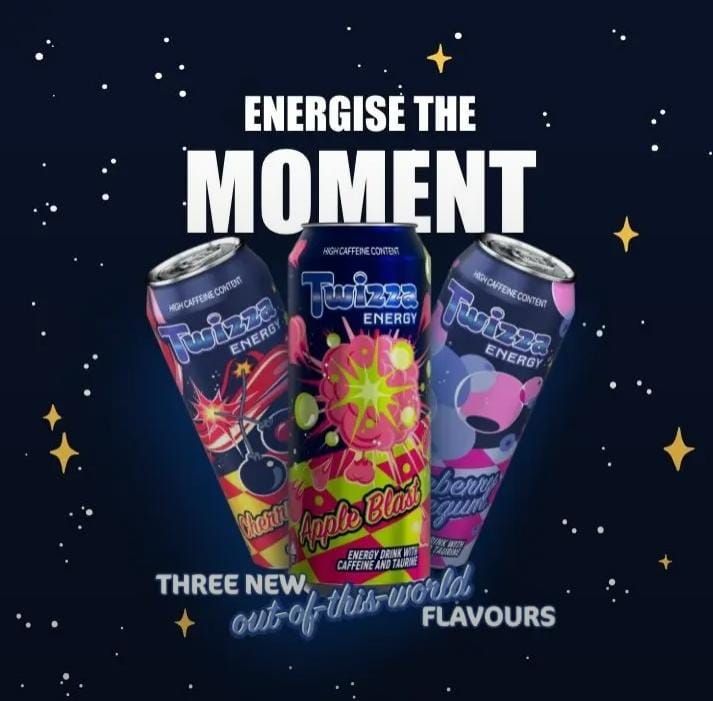
Why does this acquisition matter beyond the balance sheet?
Twizza’s rise has always been symbolic. Founded in Komani (Queenstown), by Ken Clark, it built scale without pretending to be something it wasn’t. It competed on price, distribution, and familiarity, not aspirational luxury. That made it a staple in spaza shops, school lunches, and everyday South African life.
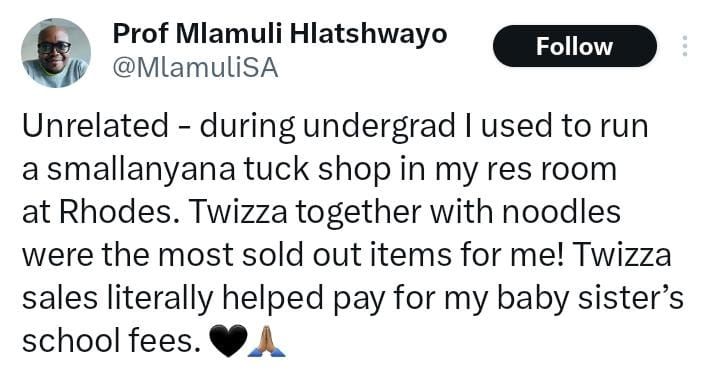
Varun Beverages, on the other hand, is a global powerhouse, best known as one of PepsiCo’s largest bottling partners, with deep expertise in scaling beverage brands across emerging markets. If approved, this deal represents a meeting point between local relevance and global muscle.
And this is where a personal curiosity kicks in… A hopeful detour into cricket.
This might be wishful thinking, but I’ve always felt that Twizza belongs in cricket.
Cricket in South Africa occupies a fascinating cultural space. It’s national but not always mass-accessible. It’s premium in some settings, deeply grassroots in others. It’s played in elite stadiums and dusty community fields. That duality mirrors Twizza more than people might realise.
If Varun Beverages brings its existing cricket sponsorship DNA into the South African market, Twizza could suddenly find itself in a space where it fits naturally:
- Refreshment at long, hot match days
- Visibility in community leagues and school cricket
- Association with endurance, patience, and everyday spectatorship
This isn’t a prediction. It’s a hope that has been nurtured since 2022. But it’s also a reminder that acquisitions aren’t just about efficiencies and margins. They’re about what new cultural doors can open when a brand gains scale and confidence.
Therein rests a bigger question : As South Africans, we’ve become understandably cautious when local brands are acquired by international players. The fear is always the same: dilution, extraction, disappearance.
But sometimes, if handled well, these moments can mean expansion without erasure.
For now, the Twizza deal sits in regulatory limbo, approved on paper, pending in practice. What comes next will depend not just on regulators but also on how seriously the new owners understand what made Twizza matter in the first place.
And maybe, just maybe, we’ll see a familiar can or bottle or six pack in a cricket cooler one day.