Twelve years is a long time to stay committed to anything in South African media. Longer still if your chosen lane is optimism.
And yet here we are. Good Things with Brent Lindeque has announced a new partnership with BetterBond, and while brand announcements are usually where our collective attention span goes to die, this one feels less like a transaction and more like a marker, a moment that says: consistency, clarity of purpose, and patience still count. Something we at TINAR know about, personally.
Brent Lindeque has been podcasting since before podcasting was trendy, monetisable, or regularly mistaken for a personality trait. Over more than a decade, Good Things has quietly (and sometimes loudly) built a reputation as a platform committed to telling South African stories rooted in heart, hope and humanity, without pretending the country is perfect, but refusing to believe it’s broken beyond repair.
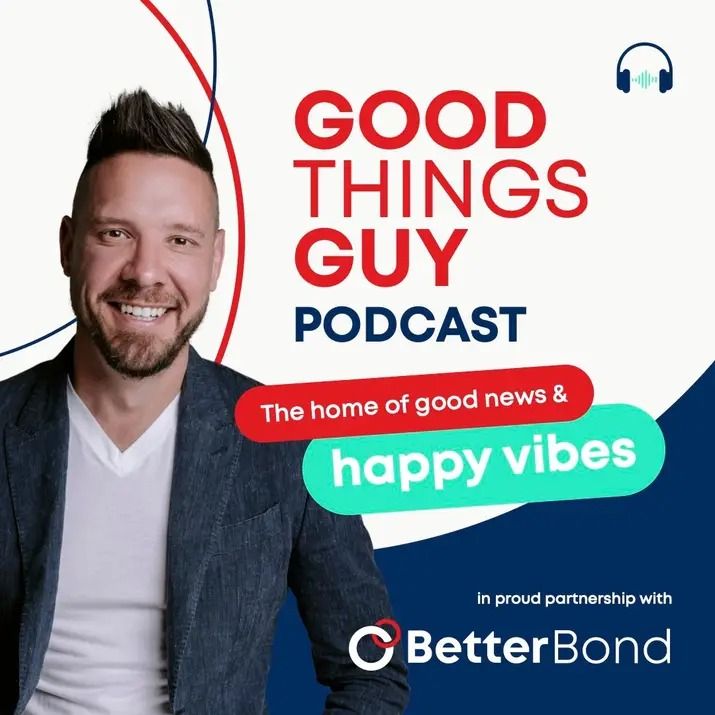
In the past year, the podcast has entered a new chapter, expanding into video across major social platforms. It’s a shift many legacy audio creators struggle with, but here it’s landed with intention. The visual format hasn’t diluted the conversations, it’s deepened them. Faces matter. Pauses matter. Seeing people tell their own stories adds texture that audio alone can’t always hold.
As Lindeque puts it, adding video made the conversations feel “more human”, and the BetterBond partnership feels like a continuation of that thinking rather than a departure from it. Alignment over adjacency. Meaning over metrics (even while the metrics are clearly doing just fine).
BetterBond, as South Africa’s leading home loan specialists, occupies an interesting symbolic space. Homeownership isn’t just a financial milestone, it’s emotional, aspirational, political, and deeply tied to ideas of stability and belonging. In a country where land, access, and security are historically loaded concepts, the idea of “home” carries weight
That’s where this partnership quietly makes sense.
BetterBond’s Chief Marketing Officer, Colette Van Dyk, frames the collaboration as a way to pair positive storytelling with real-world impact, celebrating good news while actively supporting South Africans on their journeys toward owning a home. It’s less about slapping a logo onto content and more about shared values: progress, possibility, and people.
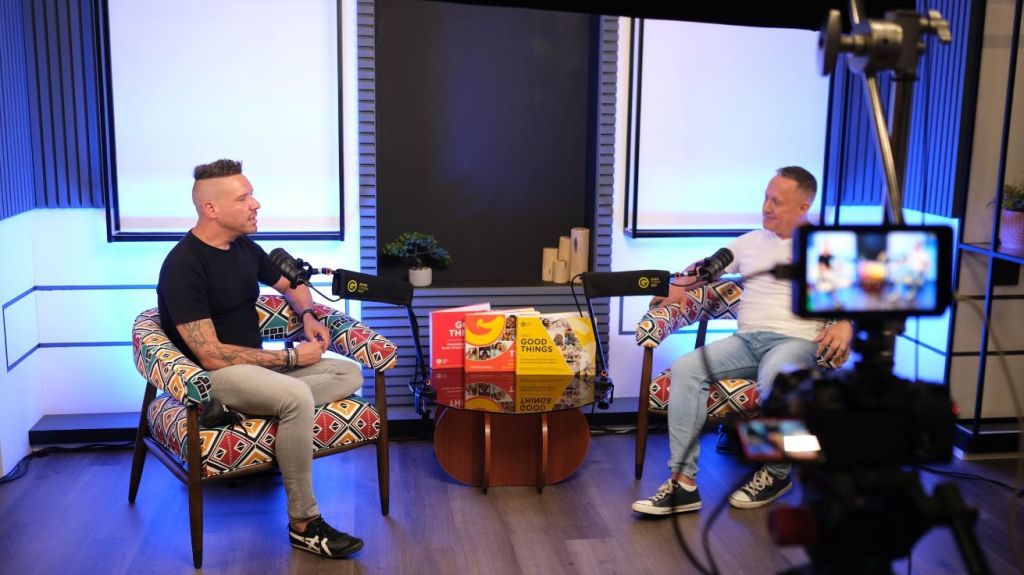
At its core, Good Things with Brent Lindeque has always operated on a simple but radical premise: that amid the noise, outrage cycles and bad-news economics, there are South Africans doing extraordinary things every day. The podcast centres on everyday heroes, community leaders, innovators, and changemakers, not as abstract inspirations, but as real, relatable humans.
Recent guests reflect that range and accessibility. From Elana Afrika’s grounded parenting insights to Suzelle DIY’s humour-infused relatability, from Professor Jerome Loveland’s quietly powerful reflections to Robbie Brozin’s thoughts on leadership, resilience and Johannesburg’s future. Then there are stories like Marvel and Malunghelo’s, starting with R700 and a second-hand computer, and building toward R1-million in funding for an education app. These aren’t “overnight success” tales. They’re long-game stories. Much like the podcast itself.
The move into video has also opened the door to younger audiences who live across platforms and formats. With growing engagement and a steadily expanding digital footprint, Good Things continues to evolve without losing its centre, no small feat in a media landscape that rewards reinvention over endurance.
Industry recognition has followed. In 2025, the podcast ranked number two in the Top 20 South Africa Storytelling Podcasts and number eight in the Top 100 South Africa Podcasts to Listen To. Accolades matter, but context matters more: this is what happens when a platform stays true to its purpose long enough for the industry to catch up. So yes, this is a partnership announcement. But it’s also a quiet celebration of longevity, of choosing substance over spectacle, and of building something slowly in a culture obsessed with virality.
Good things, it turns out, age well