According to Harvard Business Review’s analysis of recession-era marketing data, businesses that held or grew their marketing spend through recent downturns came out of them growing 17% faster than those that pulled back.
For the marketing industry, the pressure to justify a marketing budget had not eased, even as the numbers made an increasingly hard case for it. Deloitte, Duke University and the American Marketing Association’s 2026 CMO Survey put marketing budgets at roughly 9% of company revenue, in the same range businesses reserved for R&D or capital equipment.

“It is oxygen to business. It is a big and important business function, not a discretionary spend to be trimmed when the numbers get tight,” said Tumi Rabanye, Head of Marketing at Kaya 959.
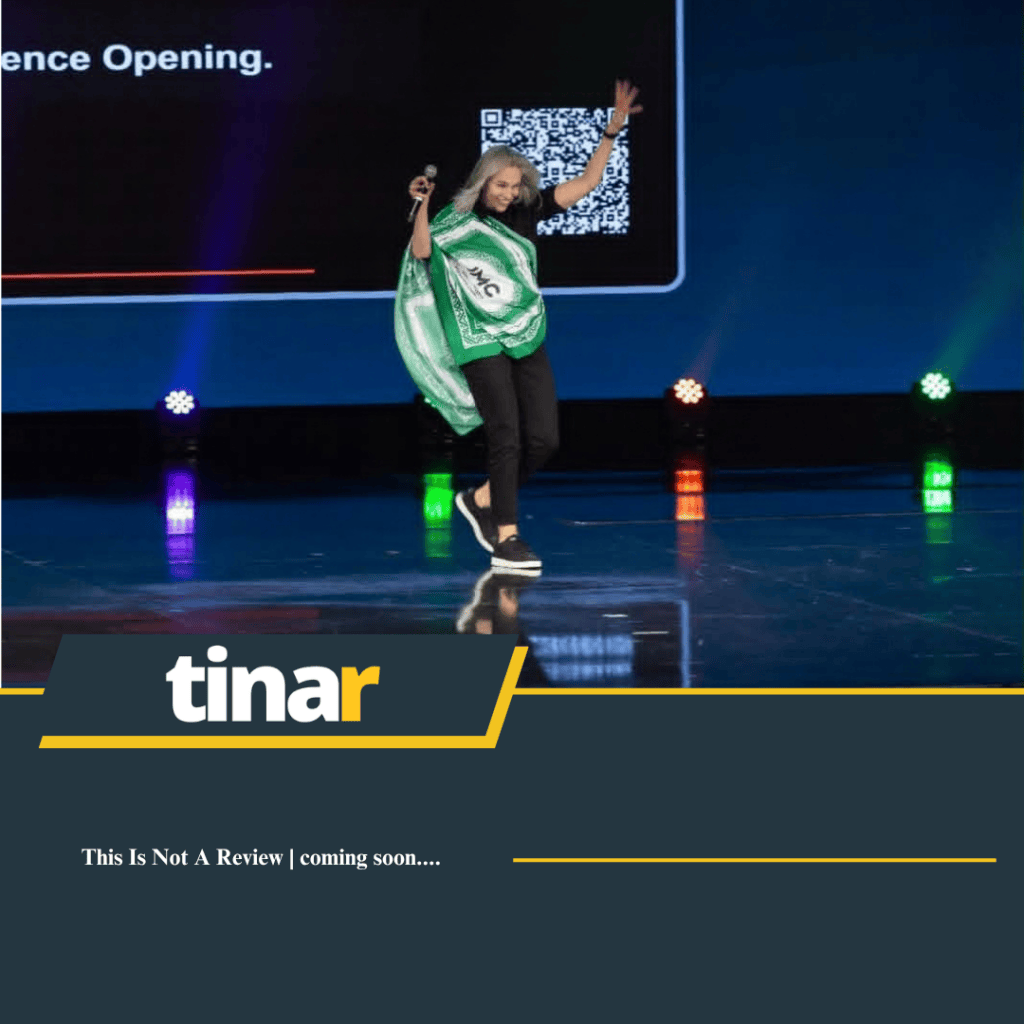
This was part of the argument Kaya 959 took to the Nedbank IMC 2026, held on 17 September, where the station positioned marketing as a core business function rather than a line item to be reconsidered whenever economic pressure intensified.
The station argued that the old theory that a good product sells itself and marketing is what happens afterwards did not survive the data. South Africa’s banked population grew from 64% of adults in 2014 to almost 86% in 2023.
That growth tracked awareness campaigns and digital-account marketing as closely as it tracked product design, while the category itself had become increasingly crowded. A third of consumers, according to Accenture’s South Africa Banking Consumer Study, regularly lost track of which financial products they even held.

A study in the Journal of the Academy of Marketing Science also found that transaction-based Net Promoter Scores alone were a weak predictor of sales growth. What predicted growth was a broader measure of brand health that surveyed potential customers, not only existing ones, the station noted.
The conversation also extended into the changing relationship between marketing, technology and the workforce. PwC’s 2025 Africa Workforce Hopes and Fears Survey found that 64% of African workers were already using AI at work, ahead of the global average. The same survey found that only 35% believed more than half of their current skills would still be relevant within three years.
“It’s data points that give you information, and that information must be turned into usable stories and storytelling. That is the part of the job AI depends on marketers to do, not the part it replaces,” said Rabanye.
This was the argument Kaya 959 put its name behind in 2026 as the exclusive radio partner of the Nedbank IMC 2026, Africa’s Biggest Marketing Conference™, which took place on 17 September. The conference brought together marketers, business leaders, entrepreneurs, agencies and innovators to confront the commercial and strategic pressures facing today’s CMOs.
As exclusive radio partner, Kaya 959 took the conversation beyond the conference stage through live broadcasts, presenter-led interviews and digital content, giving its 1.62-million regular listeners access to the CMOs and industry leaders participating in the conversation.
The Nedbank IMC’s positioning platform, Marketing is Business®, aligned with Kaya 959’s belief that entertainment is serious business. Both started from the same premise: the work of holding an audience’s attention, earning its trust and converting that attention into commercial outcomes is not a soft skill sitting alongside the “real” business. It is the business.
Rabanye’s point about customer lock-in further illustrated the underlying commercial logic. According to Bain & Company, a five-percentage-point improvement in customer retention can increase profits by 25% to 95%, while the probability of selling to an existing customer is approximately 60% to 70%, compared with 5% to 20% for a new prospect, the station said.
The message coming out of the 17 September conversation was therefore not simply that businesses needed to spend more on marketing. It was that marketing needed to be understood as part of how businesses build awareness, retain customers, maintain relevance and ultimately generate commercial value.

The station’s position was that businesses that underinvested in marketing in favour of aggressive customer lock-in were not necessarily protecting their margins. They risked turning their offering into a “grudge purchase” that customers tolerated rather than actively chose.


