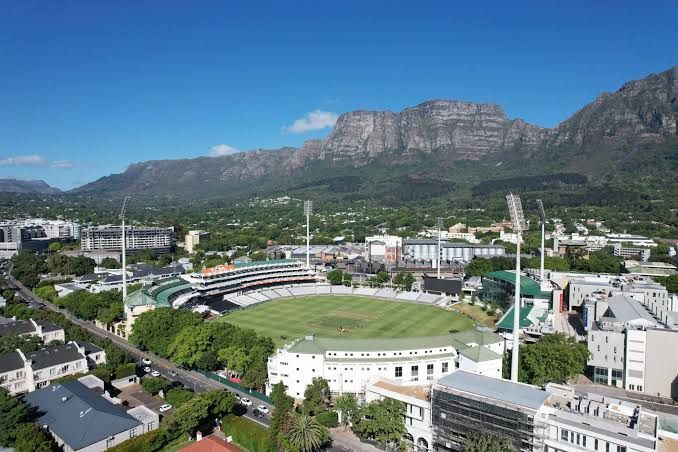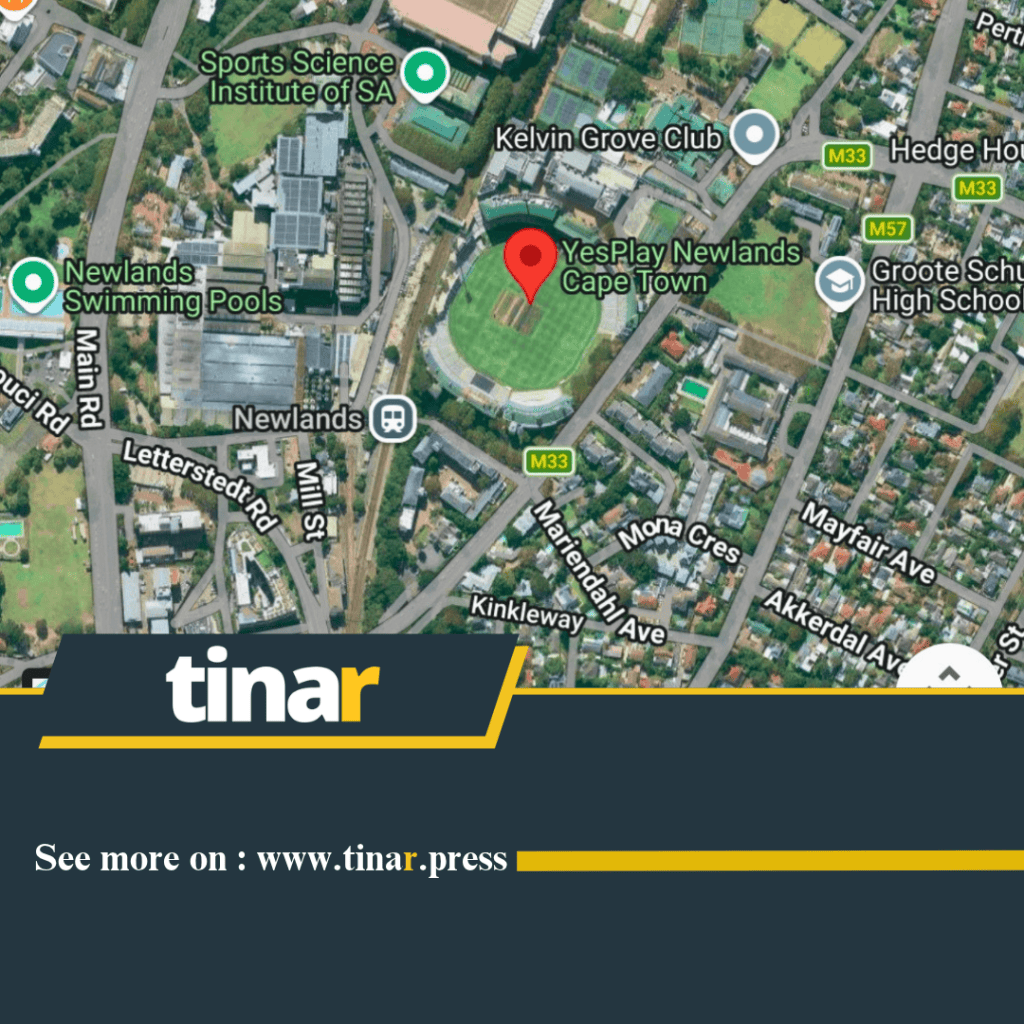
Against my better judgment, I am on a few online sports and lifestyle communities and a topic thats been making the rounds (again) is the Newlands area consisting of the former SAB and Rugby facilities inclusive of the Newlands Cricket Grounds. Which leaves me thinking, Could Cape Town’s sporting and industrial history become a connected heritage and tourism district?
This is not a review, but it is a dive into thoughts around “development”, Cape Town’s Newlands area has an interesting proposition worth revisiting time and time again until the powers that be, do something to “LOCK-IN” so on this note, lets have a conversation: what if the area’s sporting, industrial and cultural history were considered collectively as a heritage asset, rather than as a collection of individual properties and sporting facilities? From the old Newlands Rugby Stadium, whose rugby history dates back to 1890ish, to the Newlands Cricket Ground, established in 1888, and the historic South African Breweries (SAB) plant, with its brewing roots dating back to 1820, this part of Cape Town holds considerably more historical significance than its reputation as a sporting destination might suggest. Each location tells a different story about the city’s development, sporting identity, commercial history and social experiences. Yet, collectively, they offer an opportunity to explore something much bigger… a Newlands heritage district where sport, industry, architecture, tourism and community life can coexist. It is perhaps time to ask again whether the preservation of this area deserves a more connected and deliberate public conversation.
The history of Newlands Rugby Stadium is particularly interesting, not least because a previous attempt to have the venue declared a Provincial Heritage Site did not receive the recommendation its proponents had hoped for in light of February 2023, when the Heritage Western Cape committee considered a 93+page heritage assessment which is said to have been compiled by architect and heritage specialist Bridget O’Donoghue, as reported by Daily Maverick in its February 2023 article, an authoritative study found no grounds for declaring Newlands Stadium a heritage site, the assessment found that the stadium structures did not meet the relevant criteria for heritage declaration. Part of the reasoning concerned the stadium’s physical evolution, with much of its surviving fabric having been replaced or substantially redeveloped over the decades. The report also distinguished between the memories associated with rugby events and the heritage significance of the actual structures. This is an important piece of historical efforts but perhaps also an invitation to broaden the conversation. What will happen when we consider the history of a sporting institution beyond the physical structure that once accommodated it? A rugby museum and gallery could be a considerably powerful addition to the future of the former rugby facility and Cape Town’s sports tourism offering. So now imagine an exhibition space housing historical photographs, old match programmes, jerseys, trophies, memorabilia, newspaper archives and personal accounts, tracing rugby from its earlier years at Newlands through the evolution of Western Province and Springbok rugby to the contemporary game. The collection should not stop at nostalgia. It should tell the more complicated story of South African rugby, including transformation, the growth of women’s rugby, the development of the professional game and the achievements shaping the sport today. A museum of this nature would give the venue a new purpose while allowing generations of supporters and visitors to engage with the history that was made there. Are you sat? Are you envisioning this?
Good, because we have more…
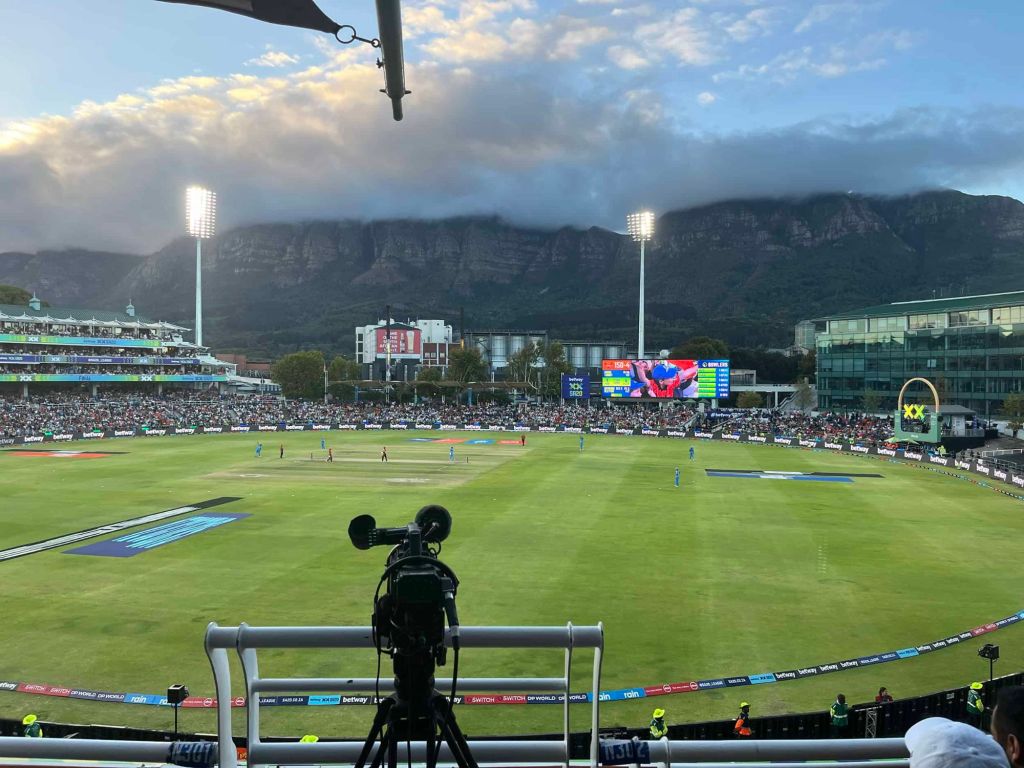
There is an equally compelling opportunity to reconsider the former SAB brewery plant and its surrounding footprint. Newlands’ brewing history reaches back to the early 1800s, when Jacob Letterstedt established the original Mariendahl Brewery. The historic Malthouse, Oasthouse and Mariendahl Tower Brewery buildings received National Heritage status in October 1995, according to Newlands Brewery’s own historical account. These are not insignificant details in the story of Cape Town’s industrial development. Rather than viewing the old brewery as an isolated historical attraction, could its future be considered as part of a wider heritage and sporting history campus? An adaptive-reuse approach could connect the brewery’s historic buildings with exhibition spaces, sporting archives, educational experiences, guided tours, food and lifestyle offerings, and opportunities for local businesses. The idea would be to create an ecosystem in which the old meets the new without erasing the character of what came before. This is not an argument against investment or development… it is an invitation to consider renovation, restoration and the creative reuse of existing structures before introducing developments that might compromise the area’s historical character. (I have a standing gripe with Newlands Cricket Grounds for that monstrosity they built which is now home to offices) with this gripe I am emboldened to ask whether Newlands can become a district in which industrial heritage, sporting culture and contemporary public experiences are deliberately connected, rather than competing for space and attention.
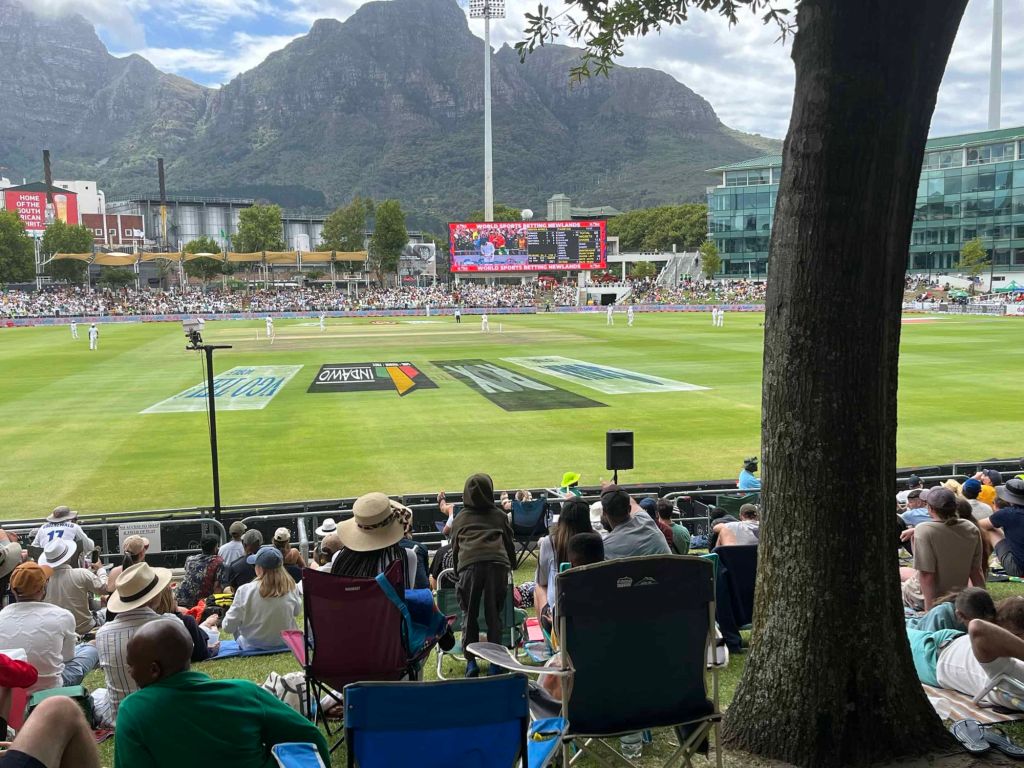
Whicb brings us here, the Newlands Cricket Ground adds another important dimension to this Heritage Sight Declaration proposition, particularly following the Western Province Cricket Association’s recent rebranding of the venue as Newlands Cape Town, now formally known as YesPlay Newlands under its four-year title sponsorship agreement with YesPlay. The September 2026 brand announcement positioned the 135-year-old venue beyond cricket, embracing sport, entertainment, hospitality, business and lifestyle experiences. Its refreshed identity draws from the silhouette of Table Mountain and the oak leaf, recognising the natural setting and character that has become synonymous with the ground. This is an interesting development because it demonstrates how an established sporting asset can evolve commercially while continuing to draw on its heritage. The opportunity, however, extends beyond a new identity and upgraded hospitality facilities. Newlands Cricket Ground could become an important anchor in a wider sporting heritage tourism experience, connecting cricket’s history, rugby’s legacy and the area’s industrial past. If a formal consideration of the entire area with its attached Rugby and SAB legacies, visitors could be encouraged to explore the district through walking routes, historical interpretation points, sporting exhibitions and carefully maintained public spaces. Imagine a place where a family can enjoy a picnic beneath the oak trees, visitors can walk between historically significant locations, cricket supporters can explore the ground’s legacy, and rugby enthusiasts can spend time in a gallery dedicated to the game. These experiences need not be confined to match days. A connected Newlands district could offer reasons to visit throughout the year, bringing heritage, recreation, hospitality and tourism into the same conversation.
Perhaps the more interesting question is not whether Newlands should remain as it was, but how much of its history can be carried into what it becomes next?. There is an opportunity to consider the old rugby field, the historic SAB brewery buildings, Newlands Cricket Ground and their surrounding areas as a connected sporting, industrial and cultural landscape worthy of further heritage investigation. Such a proposition would require historical research, public participation, careful consideration of existing property rights and the appropriate heritage processes, but the conversation itself should not wait for a formal nomination. So I ask again, could Cape Town develop a Newlands Heritage District that celebrates its sporting institutions, preserves its industrial history, supports sports tourism and creates accessible spaces for residents and visitors? Could the former rugby facility accommodate a living rugby museum and gallery, while the old brewery buildings contribute to a sporting history campus, with the cricket ground forming another anchor in the experience? There is room for restoration, adaptive reuse, walking routes, picnic areas and lifestyle spaces that respect the area’s historical character. This is not about hindering Newlands’ future through an insistence that everything remain untouched, It is about asking whether future investment, such as new buildings and structure can be measured not only by what is built, but also by what is retained, restored and made meaningful again. Through this TINAR essay, I wonder where more of these conversations are taking place, how we can collectively open this conversation on what would it mean to recognise Newlands Cape Town as more than a sporting destination, and to explore its potential as a heritage district where old meets new without losing the history that brought it here?