
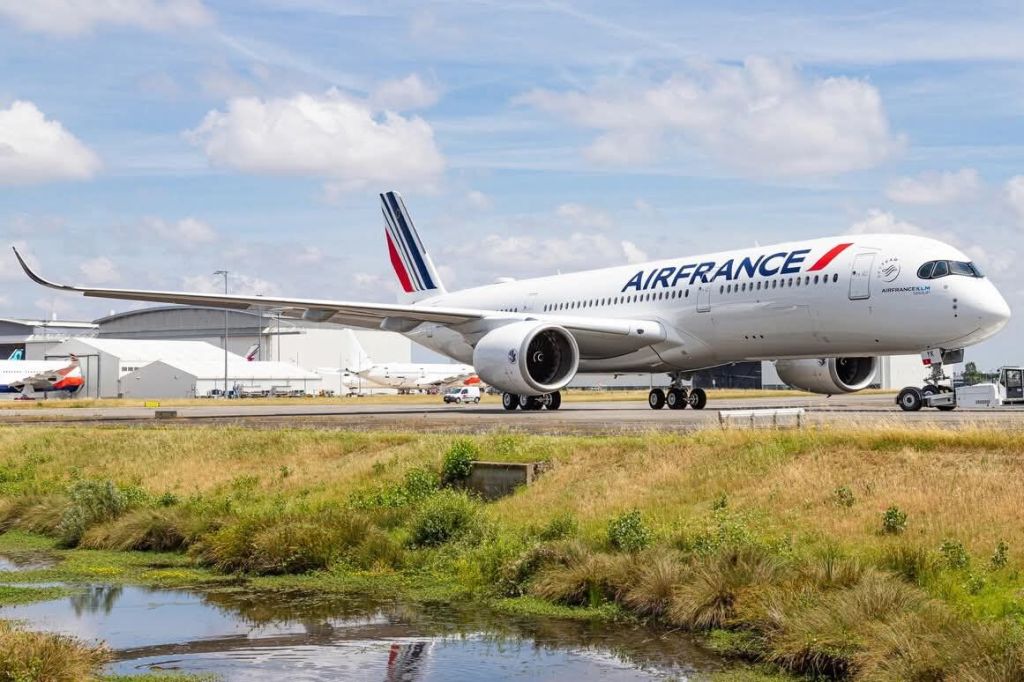
Fifteen years after launching its seasonal Paris to Cape Town service, Air France is increasing its direct flights to the Mother City, responding to record passenger volumes and growing demand for travel between South Africa and Europe. This is not a review, but Cape Town is getting a little more connected to the rest of the world this summer, with Air France increasing its seasonal direct service between Paris and Cape Town from three to five weekly flights for the 2026/2027 summer season.
The announcement comes as the airline celebrates 15 years of operating the route, which first launched in November 2011 with three weekly flights. According to Air France, the past two years have delivered the highest passenger volumes in the route’s history, prompting the additional capacity.
And while Cape Town’s international appeal is hardly breaking news, the growth of this particular route offers an interesting indication of the city’s position in the global tourism market. From its beaches, mountains and outdoor lifestyle to its food, wine and cultural experiences, Cape Town continues to attract international visitors, particularly during the Southern Hemisphere’s summer season. The increased flight frequency provides more opportunities for international travellers to access the Western Cape directly, while supporting the broader tourism and hospitality industries.

This isn’t a one-way relationship. The route also serves South Africans looking to travel to Paris and beyond during the festive and summer holiday period. Connecting through Paris-Charles de Gaulle gives passengers access to Air France’s wider European and international network, making the route relevant to both inbound tourism and outbound travel.
Joris Holtus, General Manager for East and Southern Africa, Nigeria and Ghana at Air France-KLM, says the 15-year milestone reflects Cape Town’s importance within the airline’s seasonal network. He also points to the route’s value in connecting South African travellers with Europe and other international destinations.
Beyond the anniversary celebrations, there is a bigger commercial consideration here. Seasonal air connectivity plays an important role in how destinations attract international visitors, support tourism-related businesses and strengthen relationships between markets.
For Cape Town, additional direct international capacity during one of its busiest tourism periods is obviously a welcomed development. The real opportunity, however, extends beyond the airport: accommodation providers, restaurants, tour operators, retailers and local experiences all form part of the wider visitor economy that benefits when international access improves.
Fifteen years ago, the Paris to Cape Town seasonal connection started with three weekly flights. For the 2026/2027 summer season, it will operate five. A useful reminder that sometimes the growth of a destination can be measured not only by the number of visitors it attracts, but also by how many more ways the world finds to get here.


