From digital visibility and export training to faster payments, Nedbank is looking to give small businesses something more valuable than another banking product: access to opportunities that could help them grow beyond their immediate markets.
For many small businesses in South Africa, growth is not necessarily limited by the quality of their products or services. Sometimes, the bigger challenge is getting those products in front of the right customers, accessing the resources to expand and understanding what it takes to compete in markets beyond South Africa.
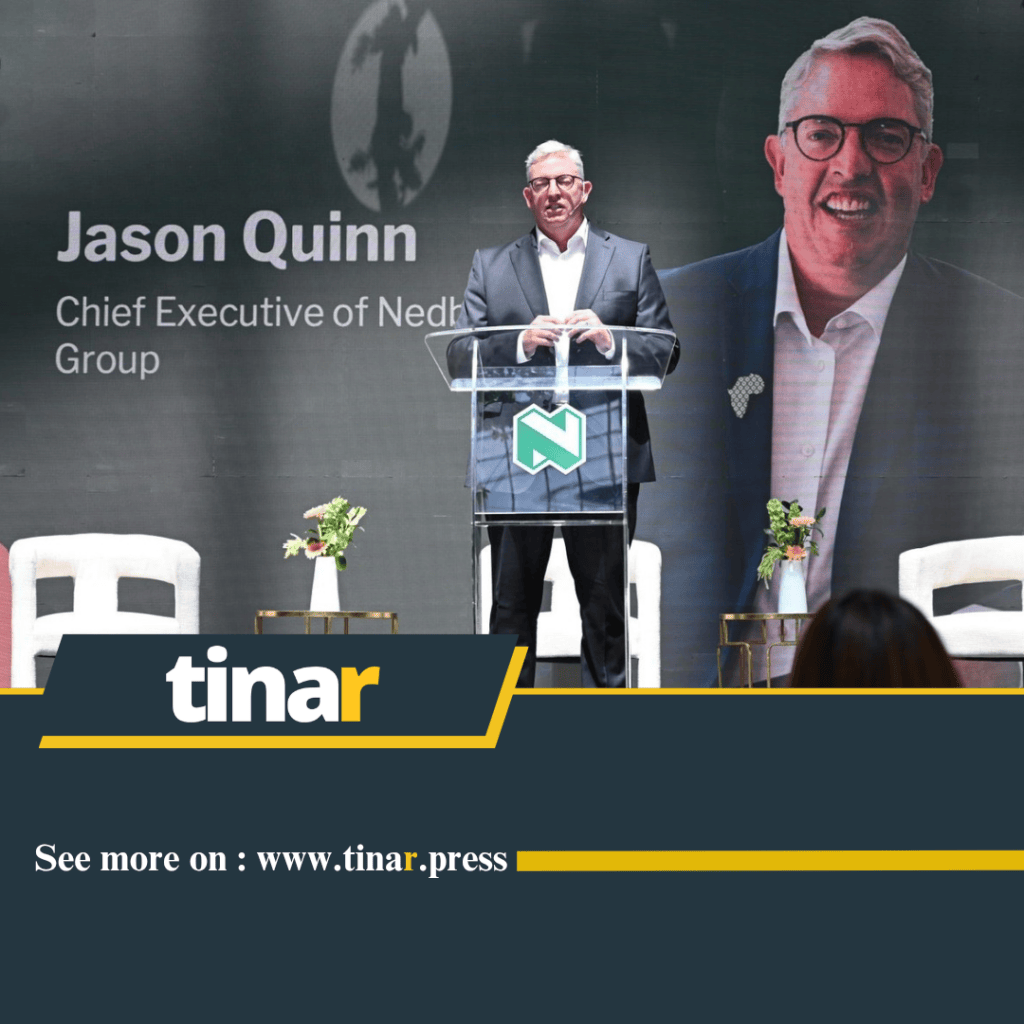
Nedbank is looking to address some of these challenges through new partnerships with digital marketing platform Adbot and global logistics company DHL, announced at the bank’s SME Day in Sandton on 29 October.
The partnerships introduce two practical opportunities for qualifying Nedbank small and medium enterprise (SME) clients: discounted access to digital advertising services through Adbot and free export-readiness education through DHL’s global GoTrade programme.
And while these may sound like relatively straightforward corporate partnerships, there is an interesting business development opportunity here, particularly for smaller enterprises that have ambitions beyond their existing customer base.
Getting noticed is part of growing a business : Through its partnership with Adbot, qualifying Nedbank SME clients will receive discounted access to the South African AI-powered marketing platform, which helps businesses manage online advertising and improve their digital visibility.
For a small business operating with limited marketing resources, this could make a meaningful difference.
Digital visibility is no longer simply about having a website or maintaining a social media page. Businesses need to reach potential customers, understand where their advertising spend is going and compete for attention in increasingly crowded online spaces.
Access to more affordable digital advertising tools could help SMEs become more deliberate about customer acquisition, rather than relying exclusively on word of mouth, existing networks or occasional promotional campaigns.
However, advertising is only one part of the equation. Businesses also need the operational capacity to meet demand when new customers arrive.
From local enterprise to international markets : This is where the DHL partnership becomes particularly interesting.
Through DHL’s GoTrade programme, qualifying businesses will have access to free export education, practical training and logistics expertise designed to help them understand and navigate international trade.
For South African SMEs, the opportunity to export can represent a significant step towards business expansion. It potentially opens access to customers outside the domestic market, creates opportunities to diversify revenue and reduces dependence on a single geographical customer base.
But international trade comes with its own learning curve. Export documentation, shipping arrangements, customs requirements, international payments and foreign exchange are among the considerations that can make entering overseas markets intimidating for smaller businesses.
DHL brings its international logistics and trade experience to the programme, while Nedbank contributes its banking infrastructure, foreign exchange, payment and funding services.
The combination is important because exporting is not simply a matter of finding an international customer and sending them an invoice. Businesses need to understand how to fulfil orders, move products across borders and receive payment through the appropriate financial channels.
For an SME that has never exported before, access to this kind of practical knowledge could help turn an ambitious business idea into a more structured commercial opportunity.
Cash flow still determines how far a business can go : Beyond the partnerships, Nedbank has also announced changes to its SME banking offering, with a focus on improving access to cash and finance.
Qualifying businesses using iKhokha payment devices will benefit from twice-daily settlements throughout the year. In practical terms, this means businesses can receive funds from card transactions more frequently, potentially improving their ability to manage working capital.
For smaller enterprises, the timing of incoming payments matters. A business can generate sales and still experience financial pressure when money takes time to reflect in its account. Suppliers, employees, stock purchases and operating expenses do not necessarily wait for settlement cycles.
Faster access to transaction proceeds could therefore provide some breathing room for businesses managing tight cash-flow cycles.
Nedbank has also expanded access to pre-approved funding through behavioural credit scoring. Rather than relying exclusively on traditional credit assessment processes, this approach uses business behaviour to assess qualifying clients for finance, with the intention of speeding up access to funding and reducing paperwork.
This could be particularly relevant to established small businesses whose trading activity provides useful information about their financial behaviour, but who may find conventional funding applications time-consuming.
The bigger picture: building businesses, not just banking customers : Daniel Kaan, Nedbank’s managing executive for SME, said business owners were increasingly looking for support beyond finance, particularly in customer acquisition and access to new markets.
That observation speaks to a wider conversation about what meaningful SME support should look like in South Africa.
Access to funding is important, but capital alone does not guarantee business growth. Entrepreneurs also need customers, market intelligence, operational knowledge, reliable infrastructure and the ability to respond when new opportunities emerge.
There is a crux point between helping a small business stay operational and helping it become commercially competitive.
Nedbank’s partnerships with Adbot and DHL appear to recognise that distinction by bringing together financial services, marketing support and international trade expertise.
The real test, however, will be accessibility and outcomes. Which businesses qualify? How many SMEs will participate in the GoTrade programme? Will businesses from smaller towns and historically underserved communities have meaningful access to these opportunities? And how many participating enterprises will eventually secure international customers?
These are important questions because South Africa does not simply need more small businesses registered on paper. It needs more small businesses capable of growing, employing people, entering new markets and building sustainable commercial operations.
For entrepreneurs with export ambitions, this partnership could offer a useful starting point. For the broader SME sector, it also raises an important consideration: the next phase of small-business development must be about connecting entrepreneurs to the markets, tools and infrastructure that make growth possible.
One moment. Three opportunities. A potentially bigger market for South African SMEs.
No comments on Nedbank opens international trade doors for SMEs through DHL partnership
Nedbank opens international trade doors for SMEs through DHL partnership