
Bidzina Ivanishvili is a Georgian billionaire, businessman, suggested philanthropist and former Prime Minister of Georgia whose life story spans the collapse of the Soviet Union, the emergence of Russia’s new capitalist economy and the political transformation of his home country. Born on 18 February 1956 in the village of Chorvila, in Western Georgia, Ivanishvili grew up in a modest family, with his father working in a manganese mine. His early life was a considerable distance from the wealth and influence he would eventually accumulate. He studied engineering and economics at Tbilisi State University before pursuing postgraduate studies in Moscow. His entrepreneurial journey began with trading activities, including computers, before he moved into banking and investments. It was, however, the economic upheaval following the collapse of the Soviet Union that would provide the opportunity for him to build his fortune.
During the 1990s, Ivanishvili established himself in Russia’s rapidly changing business environment, co-founding Rossiyskiy Kredit Bank in 1990 and subsequently expanding into metallurgy, mining, real estate, pharmaceuticals and other investments. His business interests included stakes in major industrial assets, as well as investments connected to Russia’s energy sector. The privatisation of formerly state-controlled assets created opportunities for entrepreneurs able to acquire and develop businesses during this period, and Ivanishvili became one of the beneficiaries of that economic transition. He later sold significant portions of his Russian business interests, returning to Georgia in 2003 after spending time in France. His wealth made him one of the most prominent Georgian business figures, while his investments and philanthropic activities helped establish his reputation at home. His fortune has fluctuated considerably over the years, with Forbes continuing to track him among the world’s billionaires.
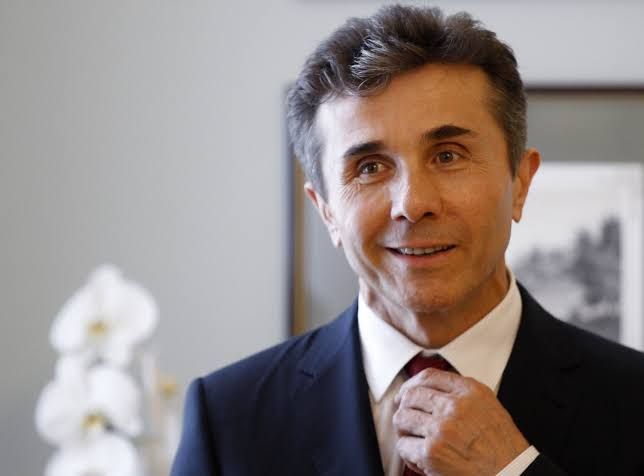
Ivanishvili’s influence would eventually extend beyond business and philanthropy into national politics. In 2012, he founded the Georgian Dream political movement, which challenged the government of then-President Mikheil Saakashvili and went on to win the parliamentary election. Ivanishvili subsequently became Prime Minister, serving from October 2012 until November 2013, when he stepped down after his party’s electoral success. His short tenure did not, however, mark the end of his political involvement. He remained an influential figure in Georgian politics through the Georgian Dream party, returning to formal political leadership in subsequent years. His political legacy is contested: supporters point to his philanthropic contributions and the social and economic programmes introduced during his administration, while critics have raised concerns about his continued influence over government institutions, Georgia’s democratic direction and its relationship with Russia and the European Union. His claim to fame therefore extends beyond being Georgia’s wealthiest businessman, as he is also one of the country’s most consequential and controversial political figures.
Away from banking, business and politics, Ivanishvili has developed an unusual personal interest in collecting enormous, often centuries-old trees. Rather than limiting his collection to plants grown locally, he has arranged for mature trees from different parts of Georgia and other countries to be uprooted, transported over considerable distances and replanted in his private botanical collection. The scale of these operations has attracted international attention, particularly because relocating a mature tree is a complicated undertaking involving excavation, transportation, specialist equipment and considerable horticultural care. His interest has also attracted criticism from environmentalists and conservationists, who question whether removing established trees from their natural environments can reasonably be considered conservation. The controversy became particularly visible when eight mature African baobabs were uprooted in Kenya’s Kilifi region and transported to Georgia. Despite the considerable effort involved, all eight trees reportedly died after being replanted. Their deaths have been attributed to unsuccessful acclimatisation, with the stress of uprooting, prolonged transportation delays and inadequate care identified as possible contributing factors. Climate differences, particularly the possibility of cold winter conditions in Georgia compared with the baobabs’ native African environment, have also raised questions about whether the trees could have survived the relocation in the first place.
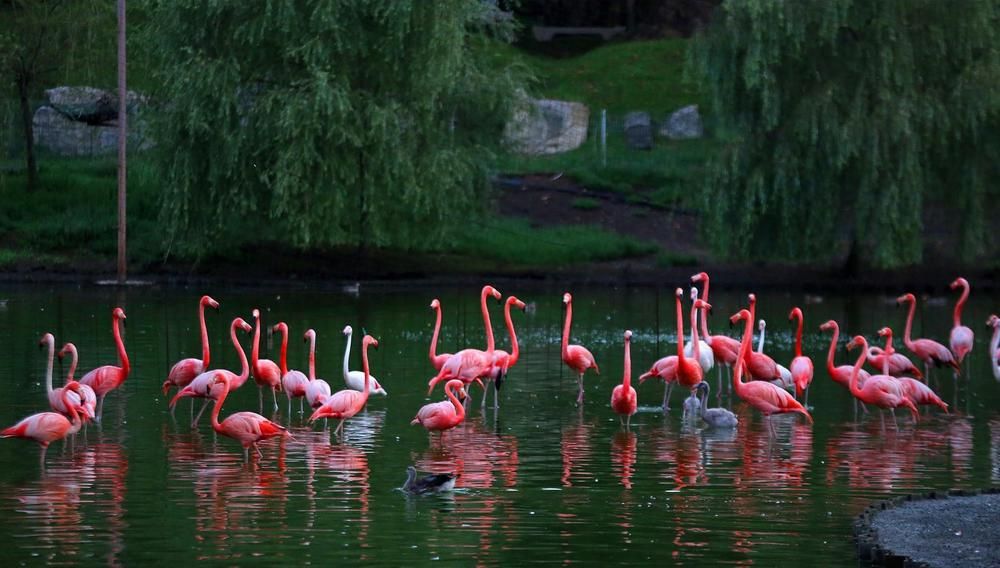
The destination for this remarkable collection is the Shekvetili Dendrological Park, a 60-hectare botanical reserve on Georgia’s Black Sea coast, established through Ivanishvili’s tree-collecting ambitions and opened to the public in 2020. The park features an extensive collection of mature trees from different parts of the world, alongside exotic birds and landscaped natural surroundings. It has become both a tourist attraction and a subject of international environmental debate, reflecting the unusual intersection between private wealth, botanical interests and the ethics of relocating natural heritage. For Ivanishvili, the park represents an extraordinary personal investment in nature and landscape design. For critics, the fate of the Kenyan baobabs raises a different question on whether the ability to purchase, uproot and transport an ancient tree should automatically translate into the ability to preserve it.


