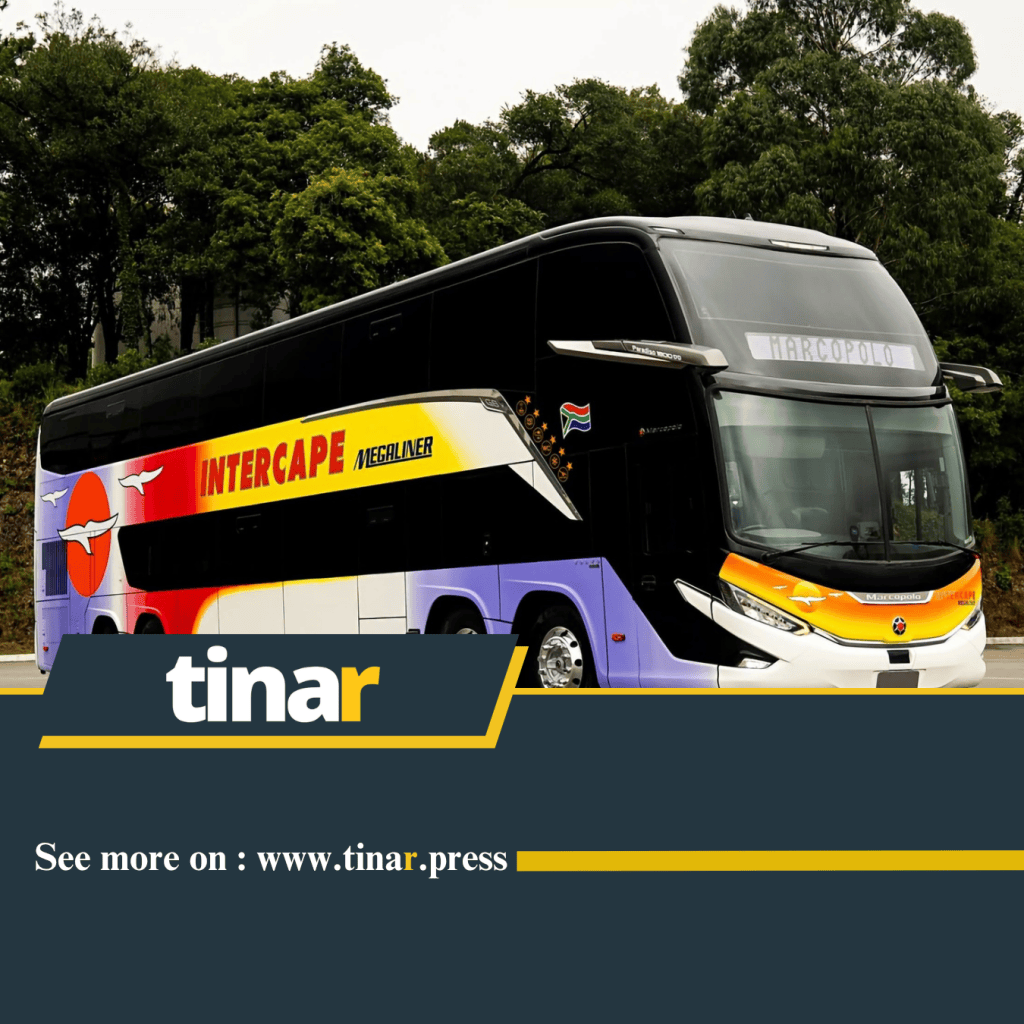
A major fleet investment brings increased passenger capacity, improved onboard technology and renewed possibilities for South Africa’s long-distance passenger transport industry.
Intercape has officially unveiled 21 new Marcopolo Paradiso G8 1800 double-decker Megaliner coaches following an investment of more than R200 million, marking a significant milestone in the company’s fleet modernisation programme. Unveiled in Pretoria on 12 November 2026, the new fleet introduces a flagship Marcopolo model to the African market and represents a considerable investment in the future of long-distance and cross-border passenger transport. Each 15-metre coach accommodates up to 80 passengers across two decks, compared with the 70-seat capacity of Intercape’s conventional double-decker fleet. The new coaches are scheduled to enter passenger service from the 15 November 2026, with bookings already open and in time for the festive seasom migration and travel across different parts of South Africa.
Beyond the impressive numbers, the investment offers an interesting look into the economics of moving people across South Africa. Long-distance passenger transport is a business that must balance passenger affordability, operational costs, fuel consumption, fleet maintenance and service efficiency. With diesel prices continuing to place pressure on transport operators, increasing passenger capacity presents an opportunity to distribute operating costs across more seats per journey. Intercape’s new coaches feature Volvo Euro 6 chassis, 500hp engines, aerodynamic body designs and camera-based digital mirrors, all contributing to its efforts to improve fuel efficiency and operational performance. In commercial terms, the investment is about carrying more passengers while managing the cost of doing so.
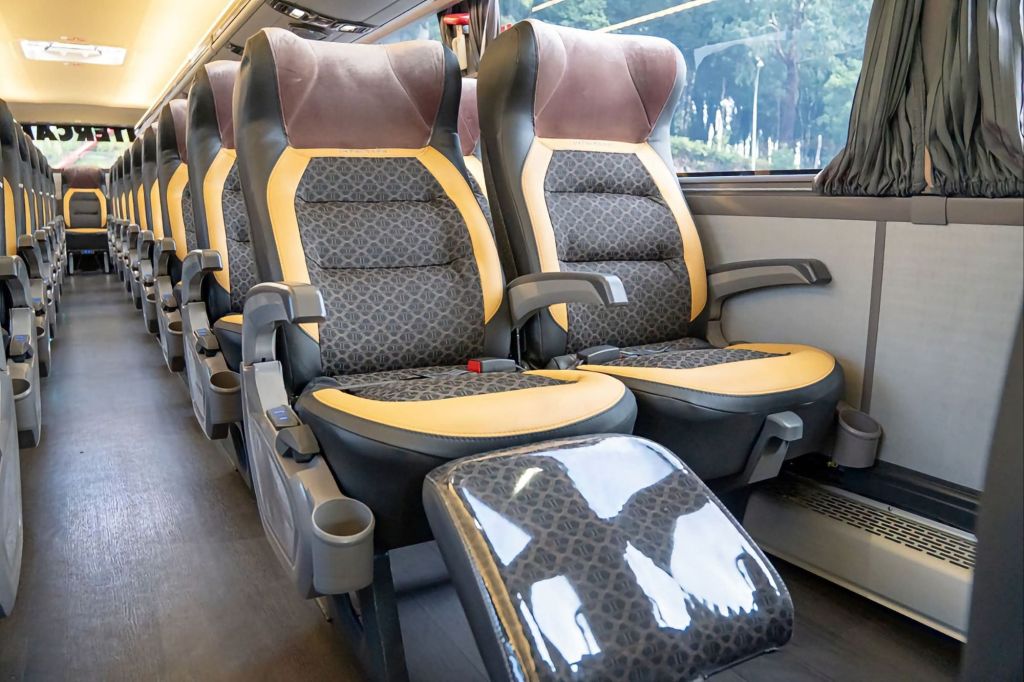
The passenger experience is another important consideration. The new Megaliners introduce reclining seats with additional legroom, climate control across both decks, USB charging ports, onboard entertainment, Wi-Fi and toilet facilities. Safety technology includes electronic stability control, lane departure warnings, adaptive cruise control and collision mitigation systems. These features reflect how the long-distance transport market is increasingly competing on more than simply getting passengers from one destination to another. Comfort, connectivity, safety and convenience are becoming part of the value proposition, particularly for passengers spending several hours travelling between provinces or across borders. For an industry where customer loyalty and repeat bookings matter, improving the journey itself is a worthwhile commercial investment.
There is also an interesting industrial dimension to the announcement. The Marcopolo Paradiso G8 1800 was developed through a two-year collaboration involving Brazilian and South African engineering teams from Marcopolo, Volvo and Intercape. The project required adapting the flagship double-decker model for right-hand-drive markets such as South Africa. It demonstrates the role that international manufacturing partnerships and local engineering capabilities can play in introducing new transport technology to African markets. As passenger demand, tourism and interprovincial economic activity continue to shape the country’s mobility needs, fleet modernisation becomes an important part of maintaining a competitive transport industry.
For passengers, this is encouraging news. South Africa’s long-distance bus network connects people to employment opportunities, educational institutions, family, tourism destinations and commercial centres. Not every journey is a holiday, sometimes it is a student returning home, a worker travelling for an opportunity or a family making an important trip across provinces. Investments that introduce safer technology, more comfortable seating and improved onboard facilities deserve recognition, particularly in a market where affordable and reliable mobility remains important. Whether these improvements will translate into a consistently better passenger experience will ultimately depend on how effectively the new fleet is integrated into daily operations.
And finally, I hope this R200 million investment and the arrival of the new fleet will also have a positive influence on the people working behind the scenes and on the ground. Drivers, booking personnel, terminal staff and customer service teams are just as important to the passenger experience as the vehicles themselves. A modern fleet should ideally be accompanied by an improved working environment, good staff morale and a renewed commitment to treating customers with dignity. After all, an investment in better transport infrastructure should inspire an equally meaningful investment in customer hospitality and service. Better coaches may improve the journey, but it is the people who operate the service who ultimately determine how passengers remember it.


