
Cape Town is sold and marketed as a city of opportunity, but increasingly dreary, accessing those opportunities comes with a price. For thousands of residents, getting to work, school or other essential destinations involves more than simply leaving home and catching a taxi, bus or train. It involves navigating a city where the cost of accommodation, the location of employment, access to education and the availability of reliable public transport are all connected.
As the growth of digital nomads hike up rental costs to a rise that unmanageable and neighbourhoods closer to the city become increasingly expensive, where people can afford to live does not always correspond with where they work, where their children attend school or where essential services are located. For working-class households, finding more affordable accommodation can mean moving further away from established employment centres and spending additional money and time travelling back and forth into and out of the city. The apparent saving on rent can become another monthly expense in the form of transport fares, multiple connections and hours spent commuting. It raises an ongoing important question about spatial planning in Cape Town, a conversation we have had for many years before and many years to come. So one tends to ask, as the city develops, are the people who keep it functioning being pushed further away from the opportunities it offers?
And while this essay and call to action is about the commute, the commute is not only about distance or affordability, it is also about safety, reliability and the conditions under which people move around the city. A few weeks ago, Cape Town’s ongoing taxi violence and disputes over operating routes have repeatedly disrupted the everyday movement of commuters, leaving workers, learners and businesses to navigate uncertainty around getting to their destinations. Recent reports of shootings disrupted taxi services and affected transport interchanges remind us that these disputes extend far beyond the industry itself. They affect people who have no involvement in the disagreements but depend on these services to earn a living, attend school and return home safely from work. And while minibus taxis remain an important part of the city’s transport network, commuters also rely on Metrorail, Golden Arrow, MyCiTi, private lifts and combinations of different transport options. The ability to choose between these options is not equally available to everyone.
At TINAR, we have previously explored the relationship between transport disruptions and the workplace, including our recent essay examining Platō’s decision to arrange accommodation and dinner for its workers during the Cape Town taxi strike. That story opened another conversation about the responsibilities businesses assume when the ordinary systems that allow employees to get to work are disrupted. It also reminded us that commuting is not an isolated transport issue. It has implications for businesses, workers, household finances, productivity and personal wellbeing. An employee’s working day might officially begin at 8am, but for someone leaving home at 4:30am to navigate multiple transport connections, the day has already been underway for hours.
This is why we want to document the commute.
We are inviting commuters and residents across Cape Town to submit photographs and written reflections showing us what their daily journeys look like. Whether you travel by taxi, Metrorail, Golden Arrow, MyCiTi, private vehicle or a combination of transport modes, we want to hear from you. Show us the taxi rank queues, crowded train platforms, bus stops, congested roads, long walks, early morning departures, school transport arrangements and the waiting periods that form part of an ordinary working day. We are interested in the journeys that begin before sunrise, the transfers between different modes of transport and the distances people travel simply to access work, education and opportunity.
We also want to understand the economics behind those journeys. How much does it cost you to get to work or school? Has the cost of accommodation influenced where you live? Do you spend more on transport because you cannot afford to live closer to your workplace? Have school fees, school placement or the distance to your children’s school influenced where your household lives? How much of your day is surrendered to travelling, and what happens when the transport you depend on becomes unavailable or unsafe?
We want to ask a bigger question: Is the working class being priced out of Cape Town, only to pay again through the cost of commuting back into the city?
Your photographs and experiences will contribute to an ongoing TINAR public-interest editorial project examining Cape Town’s spatial planning, housing affordability, public transport, taxi industry instability, education and access to economic opportunity. We are interested in documenting the city as it is experienced by the people who live, work, study and move through it, not only as it is presented through property developments, investment announcements and urban regeneration projects.
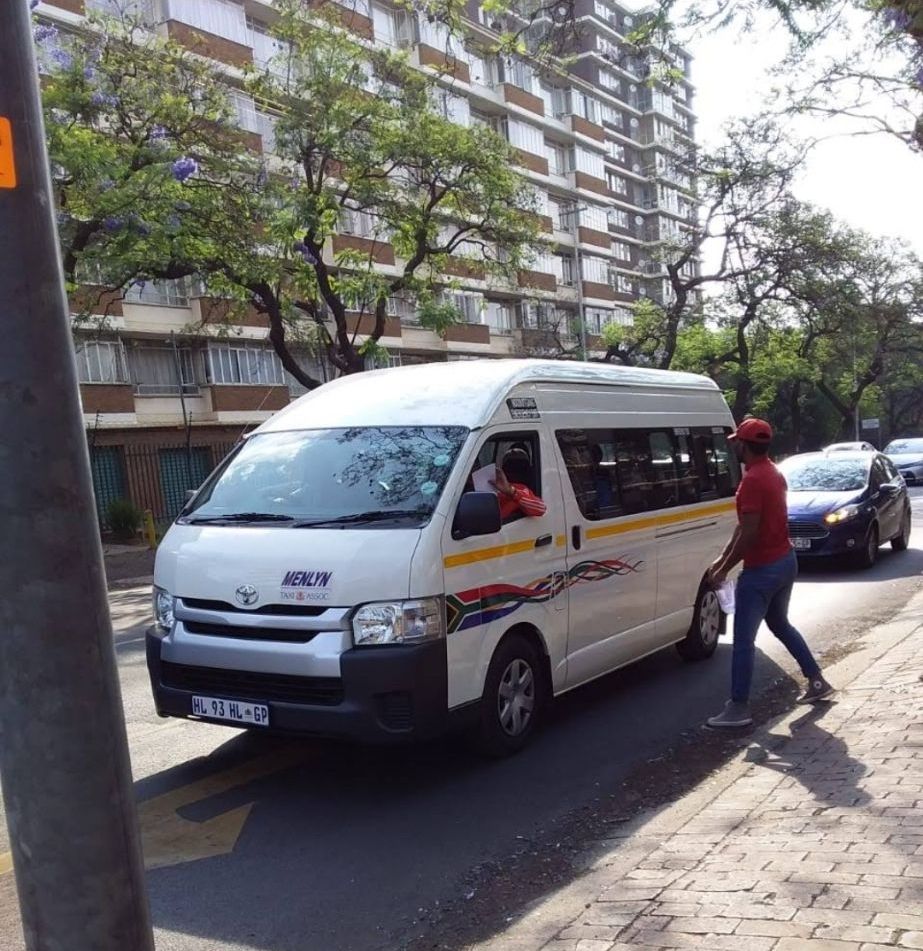
HOW TO CONTRIBUTE | Send us photographs of your commute :
- DM your photographs to TINAR on our social media platforms.
- Alternatively, email them to tinar.wp@gmail.com.
- Please include the area, approximate time and transport mode, where possible.
- For community privacy, please avoid identifiable faces. Identifiable faces in photographs selected for publication will be blurred.
Alternative to visuals | Share your commuting experience in writing. Comment directly below this article or email us your reflections. You can tell us :
- Where does your daily commute begin and end?
- How long does it take you to reach work or school?
- Which transport modes do you use?
- Approximately how much do you spend on transport each day or month?
- Has the cost of accommodation influenced where you live?
- How does the distance between your home, workplace and children’s school affect your household?
You do not have to answer every question. We welcome photographs, short reflections and longer personal accounts. You are also welcome to share experiences without disclosing personal identifying information. And in closing, Cape Town is more than its property market, celebrated neighbourhoods, tourism economy and new developments. It is also the city of workers who wake up before sunrise, learners who travel long distances to school, parents who calculate transport expenses against household budgets and businesses that depend on employees being able to reach their workplaces.


