
The AIDS Healthcare Foundation (AHF) South Africa has launched a nationwide advocacy campaign to commemorate Menstrual Health Day 2025, observed annually on May 28. The campaign aims to promote menstrual dignity, challenge stigma, and address the intersection of menstruation with HIV vulnerability and mental health.
AHF’s initiative highlights the challenges faced by women and girls, particularly in sub-Saharan Africa, where lack of access to sanitary products can lead to missed school days, increased dropout rates, and heightened risk of engaging in transactional sex, thereby increasing vulnerability to HIV. The campaign seeks to integrate menstrual health into broader sexual and reproductive health services, ensuring access to sanitary pads, HIV testing, condoms, and essential care.
Ngaa Murombedzi, AHF’s Regional Advocacy and Policy Manager for Southern Africa, emphasized the importance of inclusive dialogue, stating that menstruation should not be treated as a shameful secret. She advocates for involving fathers and boys in conversations about menstrual health to break taboos and promote gender equality.
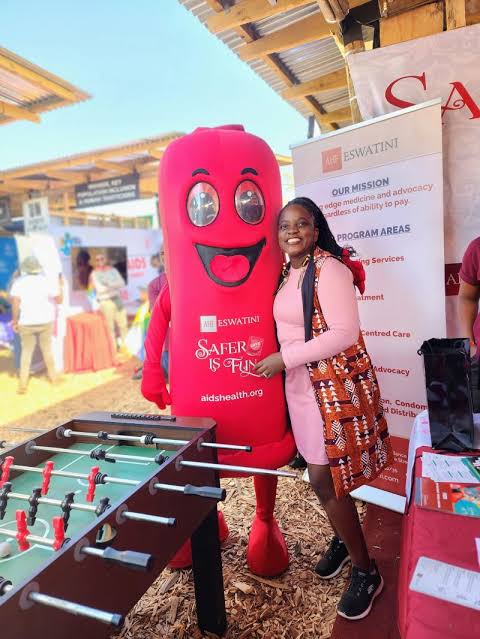
As part of the campaign, AHF South Africa is organizing community events across multiple provinces:
- Eastern Cape: A community event featuring a fun race, dance, art, and a menstrual health quiz to challenge stigma and promote dialogue between boys and girls.
- KwaZulu-Natal: A safe-space workshop bringing together boys and girls to learn about menstruation, hygiene, and its link to HIV prevention, aiming to promote dignity and end period stigma in schools.
- Gauteng: A father-daughter forum will empower male guardians to support their daughters’ menstrual health, encouraging open dialogue and breaking taboos. The event will also offer HIV / STI screening for men to reinforce male engagement in health.
- Mpumalanga: In its first Menstrual Health Day event, the province will focus on orphaned and vulnerable youth with creative education sessions and sanitary pad distribution — highlighting the need for inclusive menstrual equity.
Through these initiatives, AHF aims to empower youth and their families, fostering open conversations and ensuring that no girl misses school due to lack of access to menstrual products.
AHF concludes that such inclusive efforts uphold the rights of girls and women and contribute to broader youth empowerment, as young people with the resources and support they need are better equipped to pursue education and opportunities without interruption.
For more information, visit http://www.aidshealth.org.


