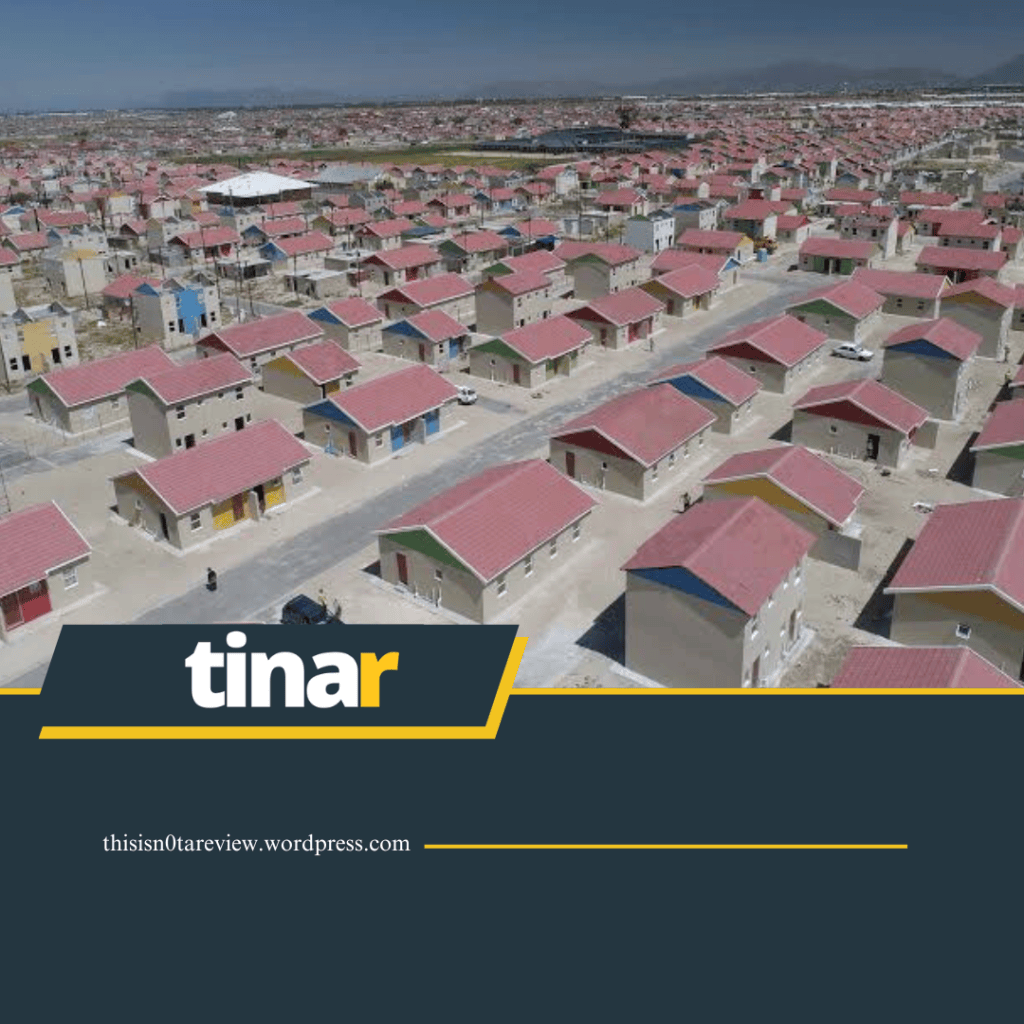
This is not a review, but it is an informal conversation around formal processes concerning RDP housing. I feel a little nostalgic in missing a show called “Take 5” which was on SABC and was perhaps one of the most informative shows on TV. This is perhaps a topic that would have been covered on “Take 5“, so here we are…. South Africa’s Reconstruction and Development Programme (RDP) remains one of the most far-reaching social interventions of the post-1994 democratic era.
Emerging in the first years of Nelson Mandela’s administration, RDP housing was designed to repair the deep structural inequalities created by apartheid, particularly the deliberate under-housing of Black communities. By 1994, the country faced a housing backlog of roughly three million units, marked by overcrowded townships, sprawling informal settlements, and a widening gap between the displaced and those with formal shelter.
In response, the new government adopted the RDP as a framework for social and economic transformation. Housing became a cornerstone: a dignified, formal home was recognised as both a human right and a first step toward rebuilding communities fractured by decades of exclusion. The programme aimed not only to provide basic shelter but also to stimulate the economy through construction jobs, local procurement, and small-contractor development.
Over time, RDP housing evolved into newer policy models such as Breaking New Ground (BNG), which pushed for improved building standards, mixed-income neighbourhoods, and better integration into established urban areas. But while policy and terminology have shifted, the foundational aim remains intact: to deliver secure, stable housing to low-income households who otherwise could not access the formal property market.
Why RDP Houses Are Not Like Normal Houses
RDP houses are government-subsidised, which means the beneficiary does not purchase the property with their own money. This distinction is extremely important because it affects what the owner may legally do with the house, especially when it comes to selling it.
The law recognises that these houses are a public investment meant to protect vulnerable households. For this reason, RDP houses come with strict conditions, and misunderstanding these conditions has led to decades of confusion, illegal sales, and financial loss.
You can not freely sell an RDP house
There is an 8-year restriction on all RDP/BNG houses.
If the owner has had the house for fewer than eight years, they can not legally sell it.
What happens if someone “buys” an RDP house before the 8-year mark?
- The sale is illegal
- You could lose your money
- You will not get the title deed
- The government can reclaim the house from you at any time
Even after eight years, selling is not automatic. The owner must:
- Obtain written permission from the Department of Human Settlements
- Conduct a proper sale through a lawyer or conveyancer
- Transfer the property legally through the Deeds Office
Anything outside that process is not recognised by law, and because of widespread misinformation where many people are desperate for housing, RDP properties have become a hotspot for illegal sales and scams. Countless people paid for houses only to discover later that:
- The property was never legally theirs
- They could not obtain ownership
- They were essentially renting illegally
- The original beneficiary still held the legal rights and returned to reclaim the home
These disputes often end with victims losing both the house and their money, and the courts siding with the original beneficiary.
In a country grappling with economic crime, unemployment, and housing insecurity, these scams have multiplied. The history of RDP housing, its purpose, its restrictions, and its legal protections is, therefore, not just academic. It is practical knowledge people need to protect themselves and be informed.
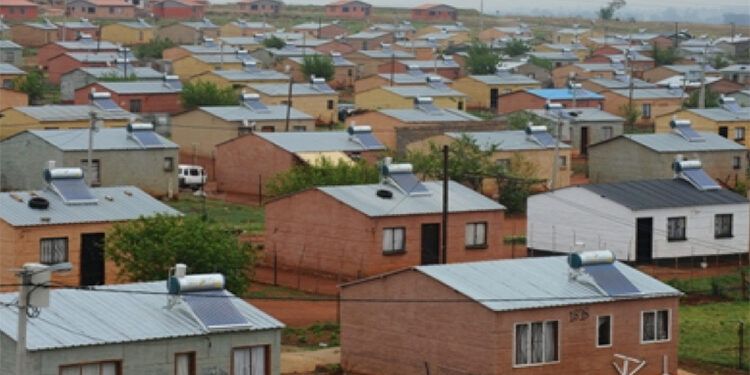
If you are considering buying or renting a house from someone who says it is an RDP/BNG property, take these precautions:
- 1. Ask for the title deed, and ensure it is in the seller’s name
- 2. Check the date of ownership, and has the person owned it longer than eight years?
- 3. Use a lawyer or conveyancer, never do informal agreements
- 4. Never pay cash without legal paperwork
- 5. Verify with the municipality or Human Settlements office if anything feels unclear
In today’s climate of sophisticated scams and economic vulnerability, due diligence is not optional, it is survival.


