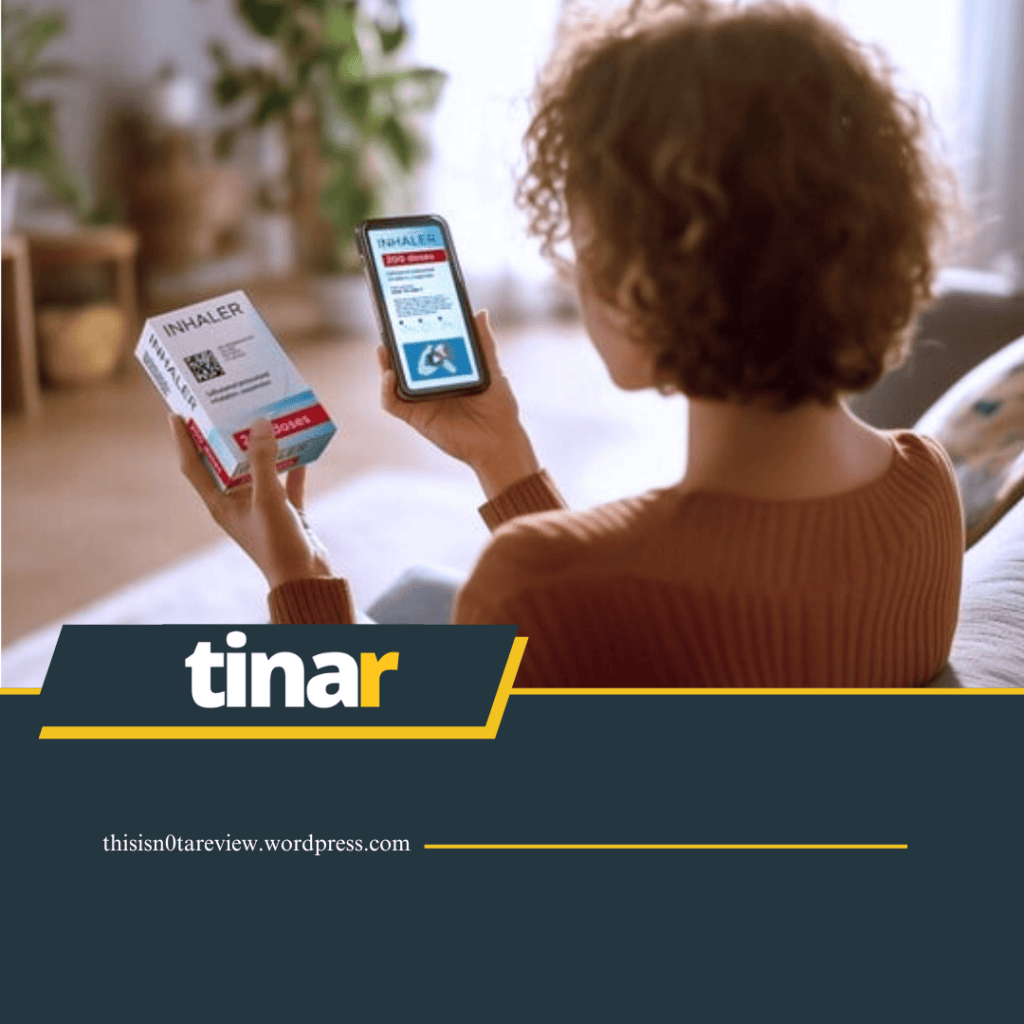
A major shift in global healthcare access is quietly unfolding, and South Africa stands to benefit immediately. GS1 South Africa has welcomed a landmark partnership between GS1 Global and Google that will allow patients, caregivers, and healthcare professionals to access trusted medical product information simply by scanning medicine packaging with a smartphone.
At the heart of this development is the GS1 DataMatrix barcode, the small but powerful square code already printed on millions of medicine packs worldwide. Through this collaboration, Google Lens can now recognise and scan these barcodes, instantly linking users to verified digital product information. This marks a critical step forward in patient safety, transparency and informed healthcare decision-making. GS1 is the global organisation behind the barcode system used across industries, including healthcare.
Locally, GS1 South Africa oversees the implementation of these global standards, supporting retailers, manufacturers, and SMEs. According to Michele Francis Padayachee, Global Standards and Solutions Executive at GS1 South Africa, the integration with Google Lens transforms how medical information is accessed. With this new functionality, a patient in South Africa can scan a medicine purchased from an authorised pharmacy and immediately view trusted details such as the manufacturer, expiry date, batch information, dosage guidance and approved electronic patient leaflets (ePILs). Importantly, this information is drawn from validated sources, reducing the risks associated with misinformation or illegible paper inserts.

The impact is immediate. Google Lens is already embedded in most smartphone cameras, meaning no additional apps are required. However, to unlock the full value of this innovation, pharmaceutical manufacturers must enable GS1 Digital Links that connect barcodes to approved online medical content. GS1 South Africa is actively working with industry stakeholders to accelerate this adoption, ensuring that both patients and healthcare professionals can reliably access accurate and complete medicine information.
Globally, GS1 and Google have emphasised that widespread benefit depends on manufacturer participation. GS1 is already collaborating with leading pharmaceutical and medical device companies and is encouraging broader adoption to ensure patients everywhere can benefit from trusted digital access to medicine information. This initiative builds on more than two decades of healthcare digitalisation. The GS1 DataMatrix is already the global standard for medicine identification and traceability, encoding essential regulatory information required in over 70 countries. Extending its function to deliver patient-facing information represents a powerful convergence of physical and digital healthcare systems.
Beyond safety and access, the move toward electronic leaflets also supports sustainability. In the United States alone, printed medicine leaflets are estimated to contribute to the loss of approximately 12 million trees annually, alongside greenhouse gas emissions comparable to 800,000 cars. Digital access offers a more environmentally responsible alternative.
As GS1 leadership notes, enabling smartphone-native access to trusted medicine data is not just a technological upgrade, it is a meaningful step towards greater healthcare transparency, patient empowerment and confidence in the medicines people use every day. For South Africa, this development signals a future where critical health information is quite literally in the hands of those who need it most.