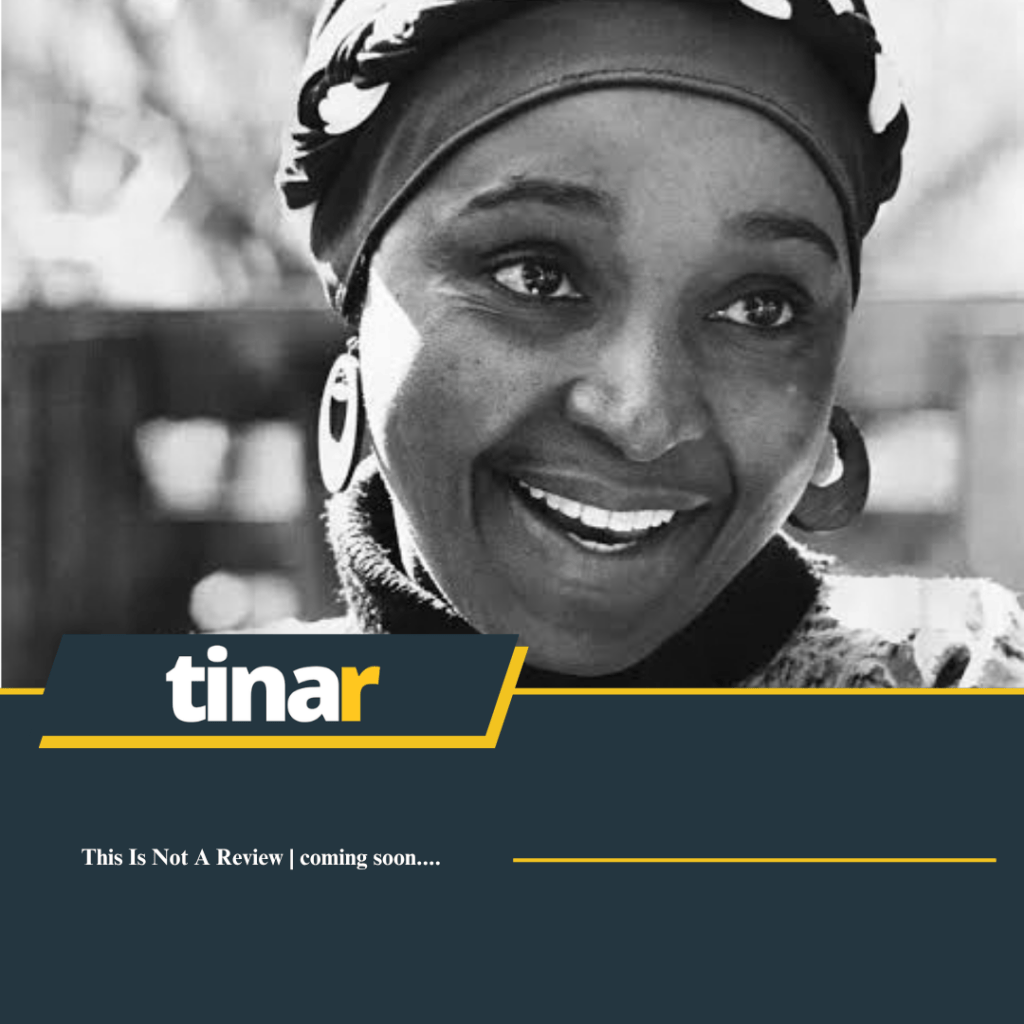
It was Mme Winnie Madikizela-Mandela’s birthday yesterday. And I have been thinking about “how” we are told to remember her as members of a patriarchal society. Mrs. Winnie Madikizela-Mandela, to me, is the most iconic Black South African woman I have ever read about and will ever read. Not because I think she was perfect, not because I think every decision she made during the apartheid era was right, and certainly not because I think the ugly parts of her political life should be edited out as they have been with most men of the struggle because we would prefer a cleaner liberation story. My approach to this is quite the opposite, I think we should be able to hold the whole woman in her glory through memory and beyond. The woman who was repeatedly detained, banished to Brandfort and still built a life of political and community mobilisation there, remember her as the woman who could walk into a room and command its occupants through her presence, the woman who understood the mood of township South Africa, the woman who became a symbol of resistance while Nelson Mandela was in prison.
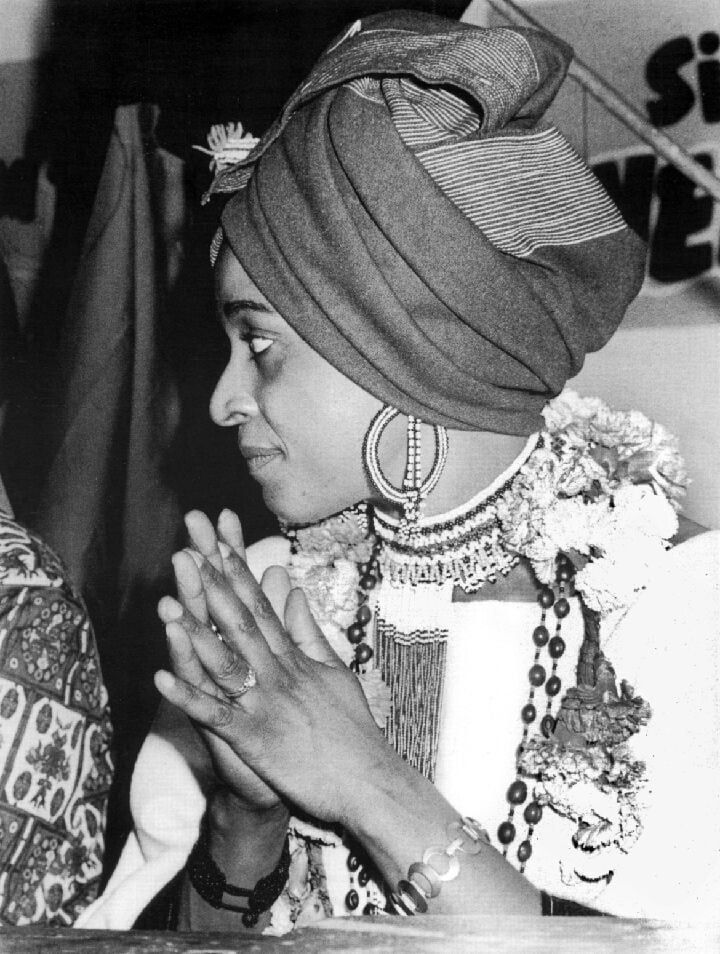
This is not a review, but even apartheid understood that she was politically consequential, her Brandfort banishment was supposed to isolate her, but she established a soup kitchen, health services, a day-care centre, a gardening collective and other community initiatives, while remaining politically visible.
And yes, I know. Here comes the part where someone wants to remind me about the Mandela United Football Club, Stompie Seipei, the violence, the allegations, the TRC and everything else. Fine. We know. Those elements exist and therefore belong in the record. The TRC itself documented allegations against her and the Mandela United Football Club, and in 1997 she apologised to the families of Stompie Seipei and Dr Abu-Baker Asvat, as plans went horribly wrong during the era of oppression and disruption. My issue is not that these occurrences are remembered, my issue is what happened to everything else? Because somewhere between apartheid ending and us becoming a democratic country, the historical memory of Mme Winnie became incredibly shoddy through how the political structures and media rewrote her arch. A woman who had spent years being politically inconvenient to the apartheid state suddenly became much easier to understand through the controversies attached to her. And perhaps that is the thing about women like Mme Winnie, once the political conditions change, the very qualities that made them useful during a struggle can suddenly become the qualities used to explain why they are “too much”. Too militant, too loud, too uncompromising, too politically independent. Meanwhile, the same history conveniently forgets that she was not simply somebody’s wife waiting at home for liberation to arrive. She was politically active in her own right, and in 1993 she was elected president of the ANC Women’s League, a position to which she was re-elected in 1997.
Because here is what I think we don’t talk about enough… you need different people in a political struggle, you need those who ponder over process and those who are steadfast with process. You need diplomats, you need negotiators. You need organisers and mobilizers. You need people who can sit in a room and move the conversation three millimetres forward without throwing the table over, but you also need people who are robust with the process, people who can withstand pressure, people who can mobilise when there is no neat institutional pathway available, people who can go into communities, sit with people, attend funerals, speak to mothers, speak to young people and understand that politics isn’t always happening inside Parliament or at a negotiating table, you need those who will shake the table when the need arises, but also set the table when its time to be cordial. This is part of what scholars have identified in Winnie’s political life, she was particularly powerful as a public speaker and as someone who could connect with people living through the brutal conditions of apartheid townships, and honestly, this is where my lived South African brain kicks in, we know this. Black South Africans know that politics does not only happen in polished rooms with microphones and flags behind the podium, sometimes politics is happening at the funeral, at the taxi rank, in the township, in the house where somebody’s child has disappeared, in the community meeting where everybody is angry and somebody has to actually stand there and carry that anger, we know you cannot build a liberation movement entirely out of people who are comfortable.
And then there is the part that I find particularly interesting about Mme Winnie, her ability to reset. Because political strategy is not just about knowing how to fight, it is knowing when the fight has changed, you need people who can be robust when robustness is required, but who can also recognise when the political environment has shifted and return to diplomacy, a strategic point of return, and exit. That, to me, is a far more interesting way of thinking about Mme Winnie than trying to decide whether she was a hero or a villain. She was a political figure operating in an extraordinarily violent and unstable period, and then she had to exist in the new South Africa when the rules, relationships and expectations had changed. After 1994 she was appointed Deputy Minister of Arts, Culture, Science and Technology, and she remained involved in the ANC Women’s League and ANC politics, that is a reset, that is returning to diplomacy.
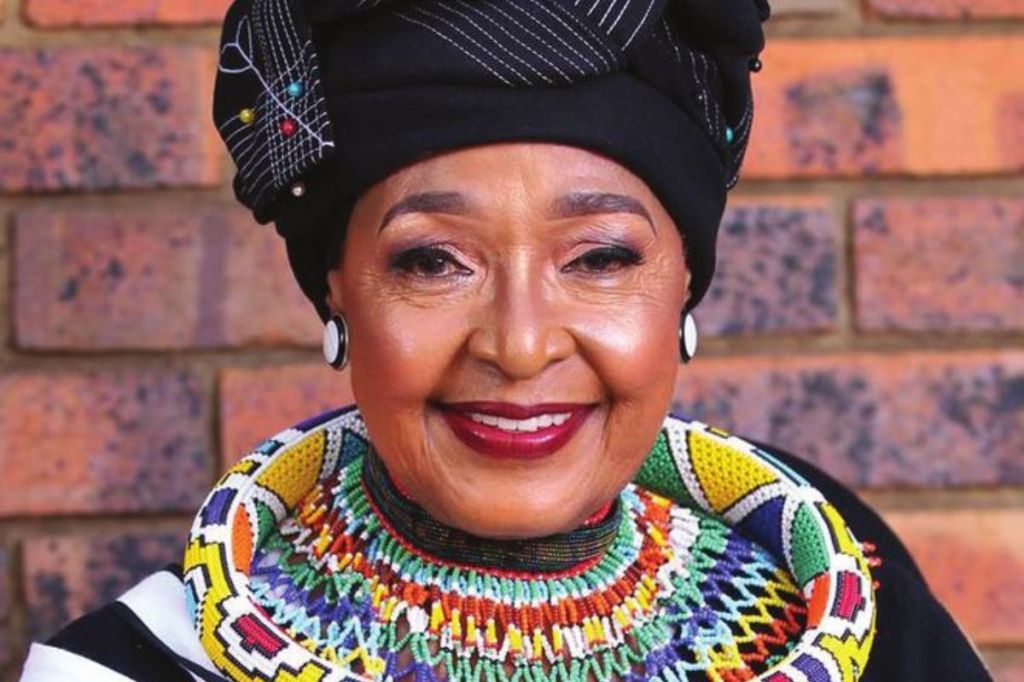
But the post-1994 story also changed the architecture around her. Nelson Mandela became President. The country needed reconciliation. The liberation movement became a governing party. The political heads and the heavy involvement of international media wanted a particular kind of national story, and its seemed, Mme Winnie no longer fitted neatly into this ideal narrative of a palatable and patriarchal liberation movement and liberation arch. Some may say this all doesnt mean somebody or a cabal of people sat around a table and decided, “Let us erase Winnie.” It would be wise of me to not make such a claim, so in the absence of me saying “there was a chat, somewhere in Paarl, where a group of men, sat down with a soon-to-be-released prisoner of the State and suggested to erase Mme Winnie’s credibility and future legacy”… I am instead asking a much more uncomfortable question.. “what happens to a woman who was politically useful as a symbol of resistance when the country begins needing symbols of reconciliation?”
So, on her birthday weekend, I am not interested in making Mme Winnie Madikizela-Mandela into a saint. Saints are boring anyway. I am interested in remembering the woman in full : The courage and the controversy, the brilliance and the contradictions, the woman who could be deeply political, deeply human, deeply nurturing and flawed at the same time. Because I think we sometimes have a very strange relationship with our liberation history for women: we want the men to be complicated political actors, but we want the women to be either perfect mothers of the nation or cautionary tales. And no man, and certainly no political party, deserved that kind of uncomplicated loyalty from a woman of Mme Winnie’s political magnitude. She was not a footnote to husband, she was not simply the woman who waited, she was not merely the controversy that followed, she was one of the people who helped carry the political imagination of this country through a period when carrying it came at an enormous personal cost. And maybe that is why, for me, she will always be something like the Fairy GodMother of the nation. Not because everything she touched turned to gold. But because sometimes you need somebody willing to wave the wand, break the rules, disturb the room and make something move. And then… this is the part I think we forget… someone knew when to put the wand down and return to diplomacy.
I think she was ICO-NIC, and I think women in South Africa should reevaluate how they consume media around her, about her and most importantly how they choose to understand her efforts during a time in the country where freedom was a need and a priority for Black, Colored and Indian women and children of this Nation.


