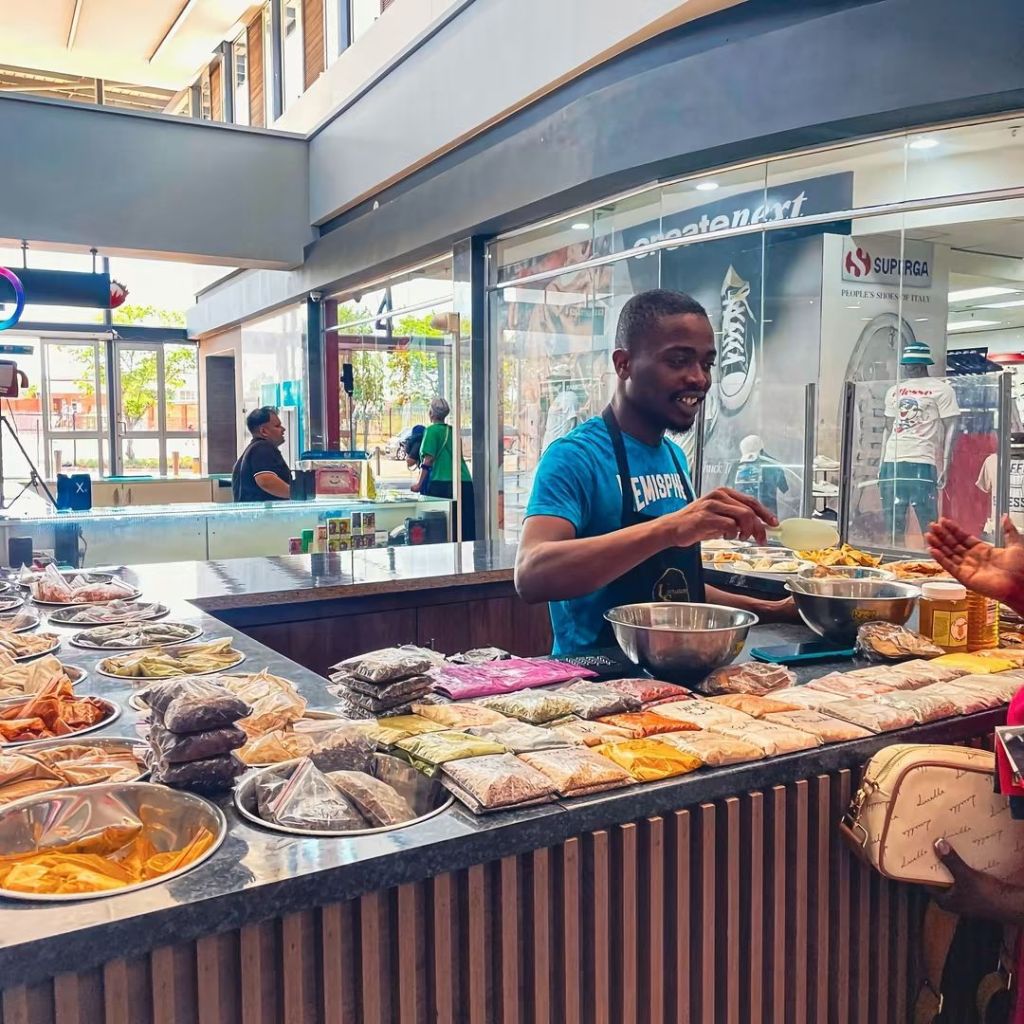
Last night I spotted a social media post that had me eager to unpack. We all know that shopping malls are and have always traditionally been places where we go to spend money, so what if they also became places where more of the people living around them could make money? A recent initiative by Protea Glen Mall caught my attention, particularly its invitation to small, medium and micro enterprises (SMMEs) from Protea Glen and surrounding areas to become part of its marketplace. The proposition is relatively simple: create more space for local entrepreneurs to sell their products directly to the people walking through the mall every day. Sealed Food, fashion, beauty and other emerging businesses are being encouraged to put themselves forward, with the mall positioning the opportunity as affordable and flexible. It is an interesting proposition, but more importantly, it raises a bigger question about how we think about retail space and who gets to participate in it.
For many emerging entrepreneurs, having a good product is only one part of building a business. Getting that product in front of the right customers, establishing visibility and finding consistent opportunities to trade can be equally challenging. Online selling has created new possibilities,yes, but physical retail still has its advantages, particularly when it comes to product discovery, customer interaction and the ability to convert passing interest into an actual sale. A marketplace within an established shopping centre could give smaller businesses access to an environment that might otherwise be financially difficult to enter through a conventional retail lease. It also creates an opportunity to test products, understand consumer behaviour and develop a customer base without necessarily committing to a permanent storefront.
There is also a commercial opportunity for shopping centre owners to consider. Malls already invest in attracting shoppers through their tenant mix, promotions, events and marketing activities. Introducing local entrepreneurs into that ecosystem could add another dimension to the shopping experience while creating opportunities for businesses that reflect the communities surrounding the centre. When such an idea is well managed, and curated, there is viability. Rather than viewing emerging businesses exclusively as potential tenants who need to rent retail space, shopping centres could begin recognising them as contributors to the commercial environment itself, a local producer, clothing label, beauty entrepreneur or artisan can bring something different to the consumer experience. And when those businesses succeed, there is an opportunity for the mall to build a stronger relationship with the very community that sustains its foot traffic.
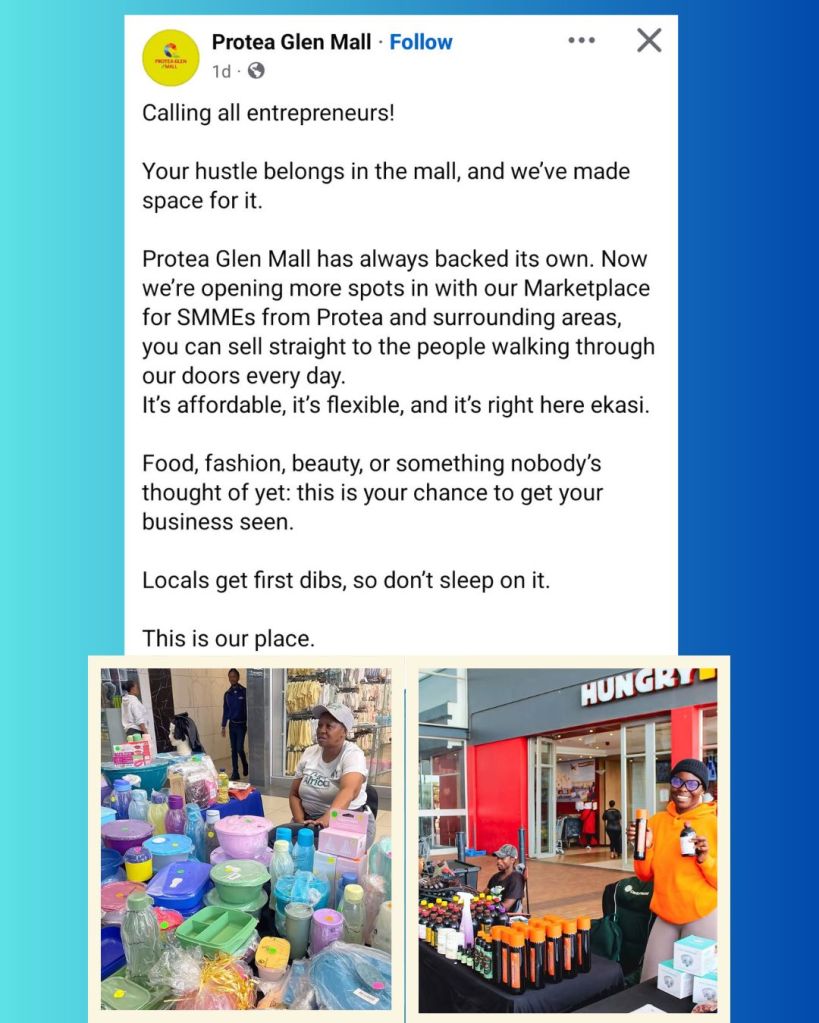
This is not an entirely unfamiliar conversation in South Africa. In March 2026, Protea Glen Mall also hosted a Farmers Market Day in partnership with the City of Johannesburg and the Gauteng Department of Agriculture and Rural Development, creating a platform to connect local farmers with consumers. That makes the latest marketplace invitation particularly interesting because it speaks to the possibility of expanding the relationship between local enterprise and formal retail environments. A marketplace should not simply be about giving entrepreneurs a table and wishing them well, though. Its real value lies in the quality of the opportunity, accessible trading costs, meaningful visibility, consistent participation and the possibility of growing beyond a temporary selling space. If structured thoughtfully, these opportunities could become stepping stones towards more established retail operations and sustainable businesses.
Perhaps it is time for shopping centres to look beyond the traditional understanding of retail space and consider what else that space could make possible. What if emerging local businesses were not only viewed as consumers of retail space, but as potential contributors to the commercial ecosystem of the mall? Protea Glen Mall has given us an interesting example to consider, and I would like to see more shopping centres explore what similar opportunities could look like in their own communities. There is an opportunity here that extends beyond supporting local businesses for a weekend or during a seasonal activation, it is about creating more accessible pathways into trade, bringing products closer to consumers and recognising that the next successful retail brand might already exist in the neighbourhood.
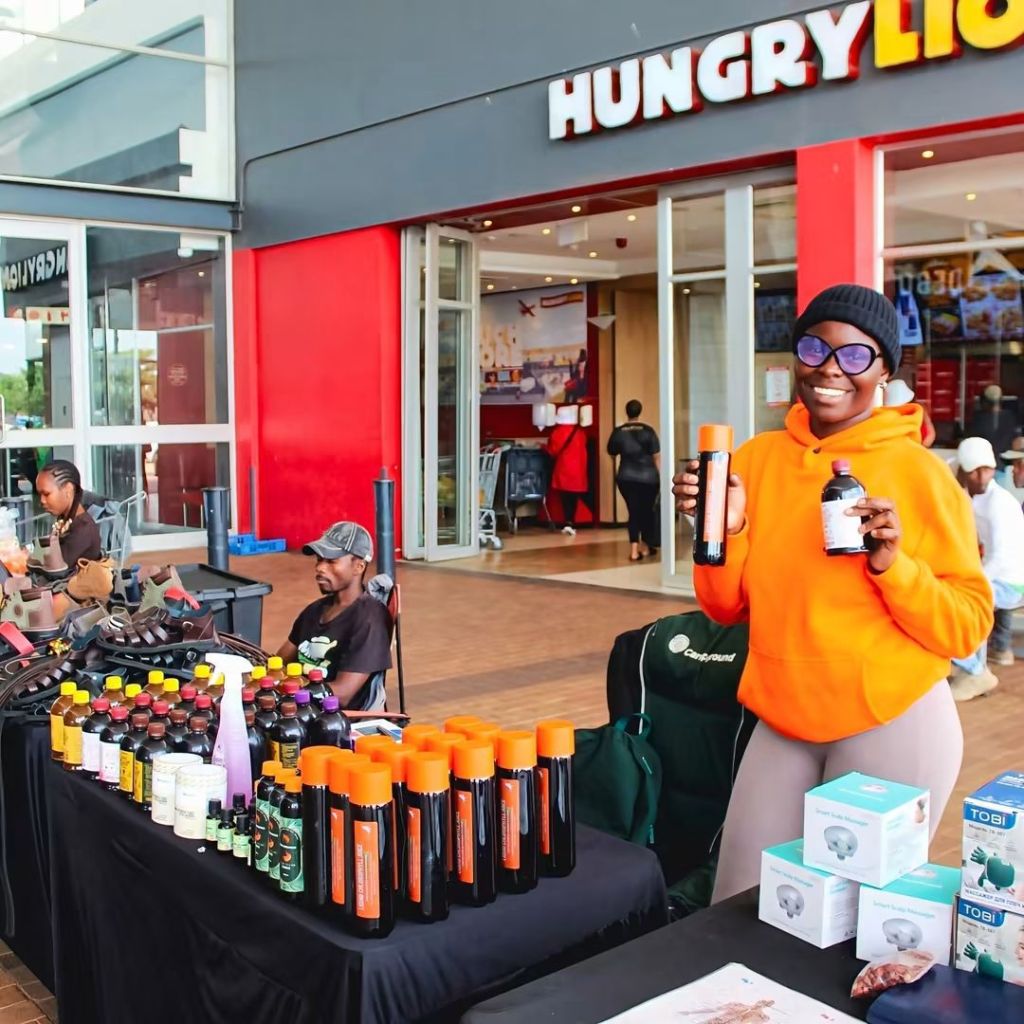
Sometimes the next commercial opportunity isn’t another big-name retailer. It might be the entrepreneur who simply needs a place to start and mall management open to the endless possibilities of such initiatives.